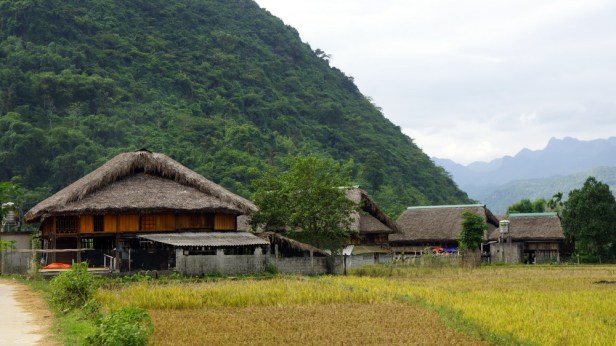
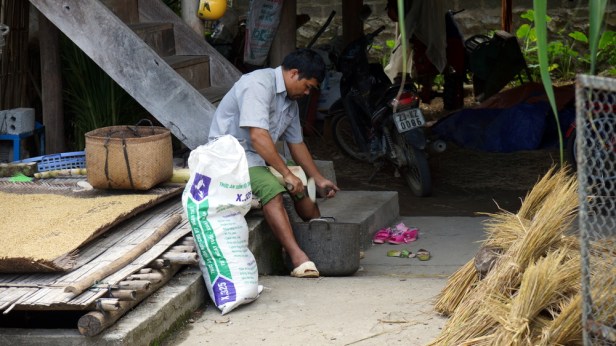
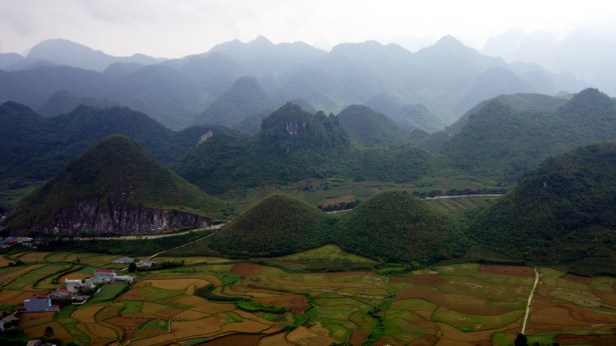
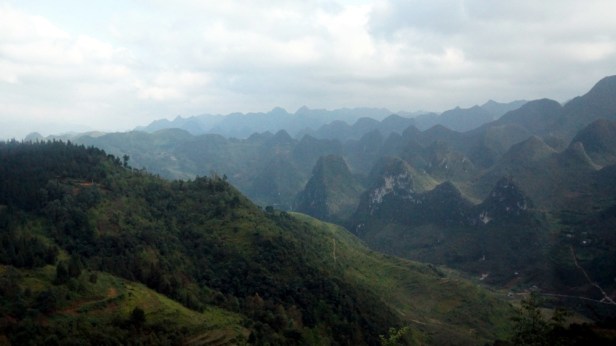
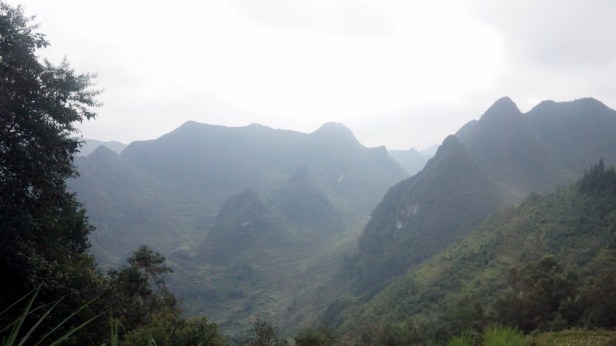
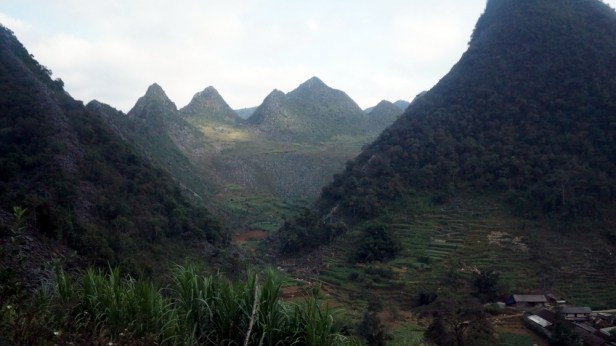
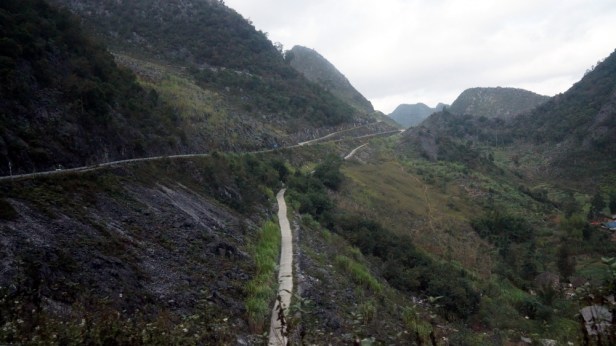
The tour we had booked via Vietnam Typical Tours took us first to the Dong Van Karst Plateau Geopark some 300 km north east on the Chinese border. The first night we slept in a small tribal village just outside of Ha Giang in one of the many home stays. The rice was just being harvested from the field. Ladies were cutting of the grain stems from the top of the plants and carrying them to their homes. There they were laid out in the sun to dry. After the plant-tops were removed the tall rice plant is cut and collected. It is used for food for the animals or as fuel. On the empty fields the large water buffaloes wandered around searching for the remaining rice shoots and grains. They all have their individual herder. We made a short walk through the village and along the mountain side over a concrete surfaced motorcycle path with lovely views towards the villages in the valley with the karst mountains in the distance. In the evening we shared our first meal with the family of the homestay owner.
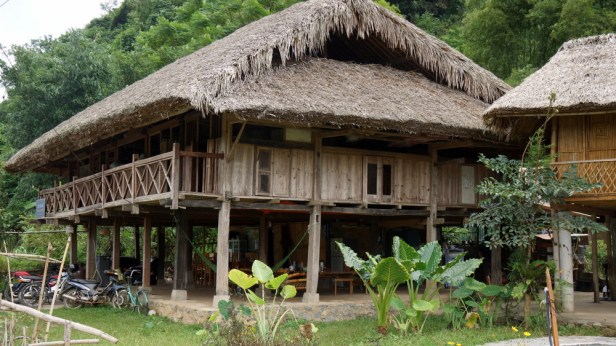
Our Home Stay 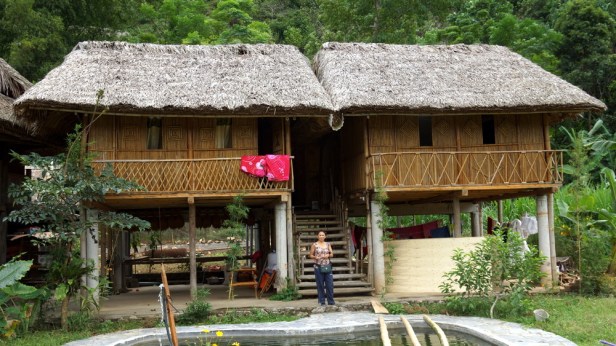
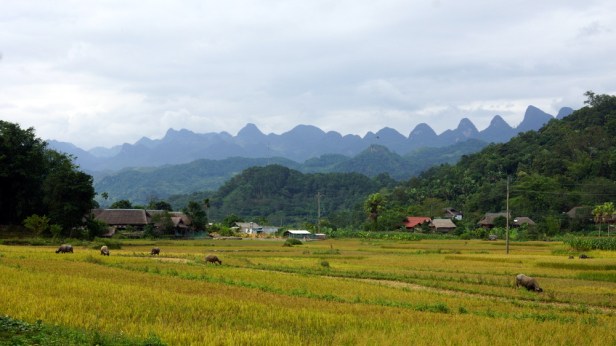
View from the house 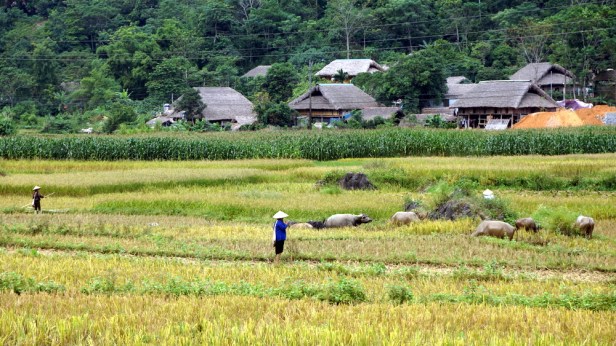
Water buffalo’s in the field 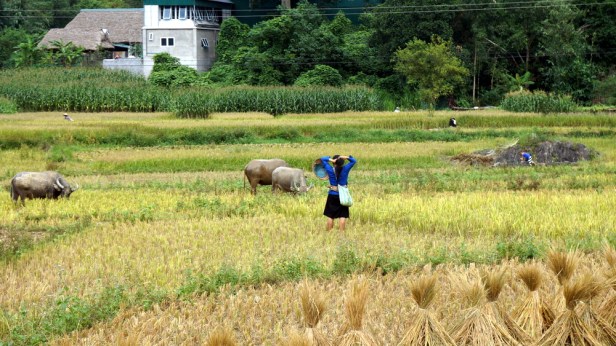
Looking after your own buffalo 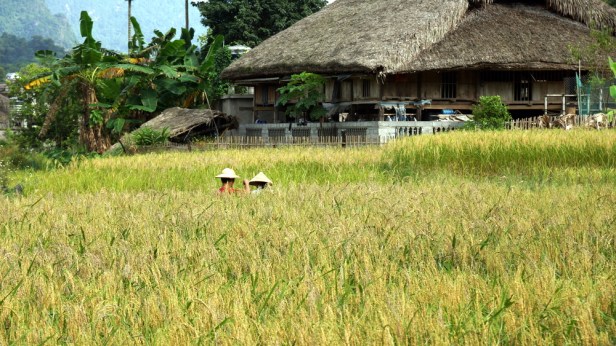
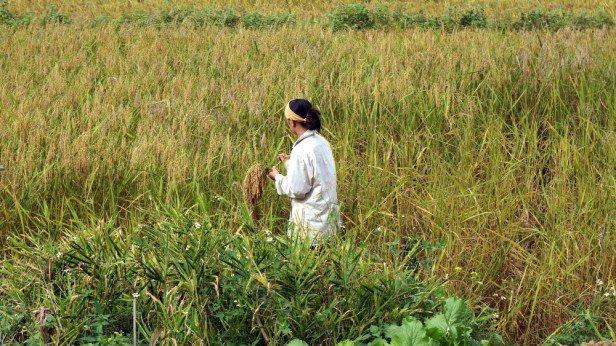
Cutting off the rice grains 
collecting 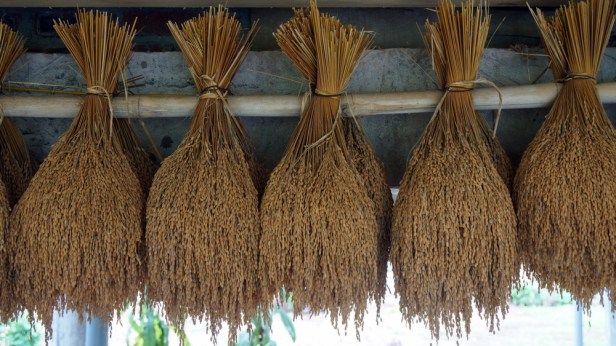
and carrying the rice 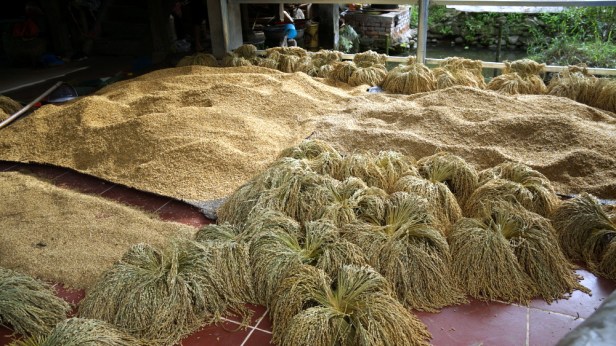

Drying 
removing the husk 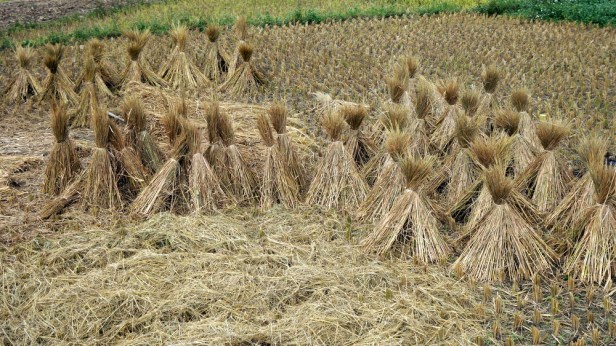
left over rice shoves 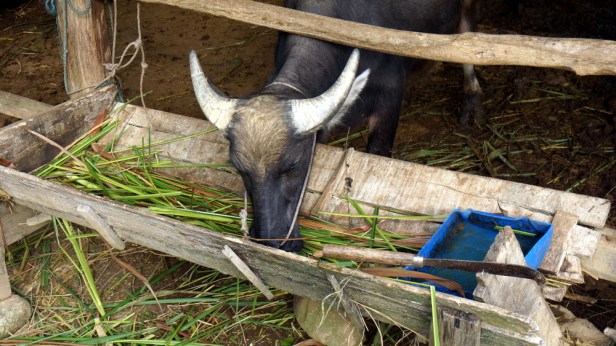
for animal feed 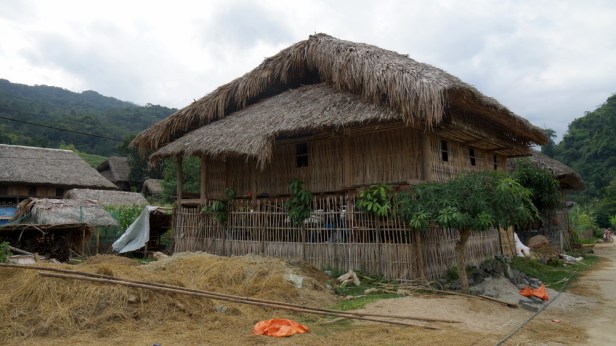
slicing a banana tree 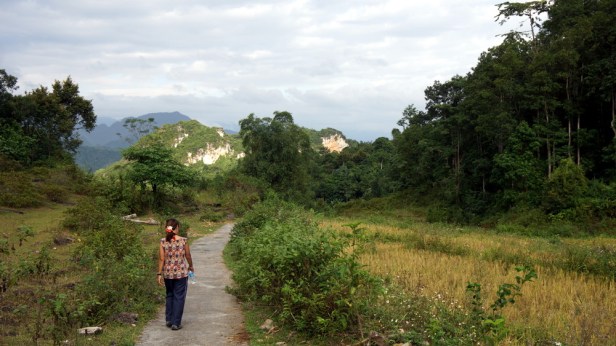
walk up the motor path 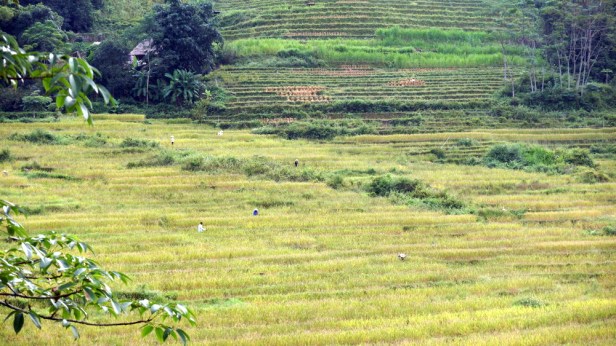
Harvesting rice 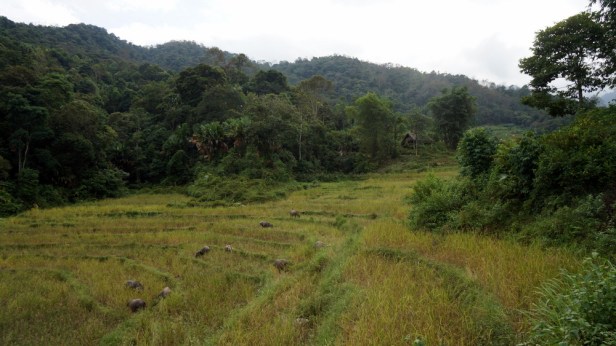
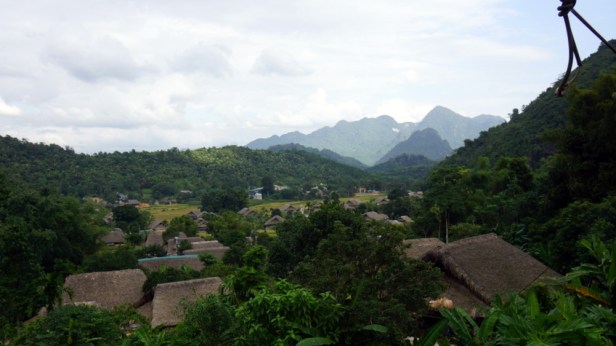
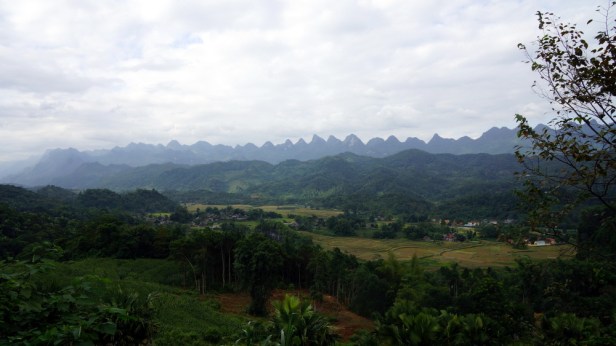
karst peaks in the distance 
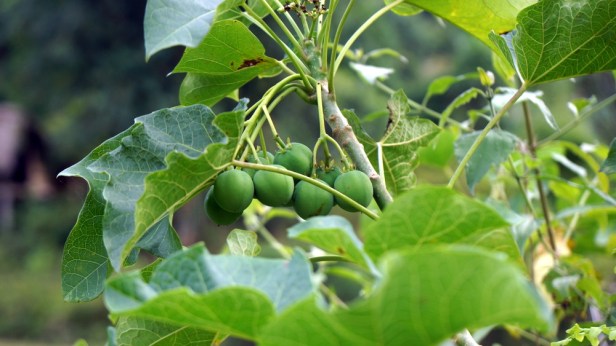
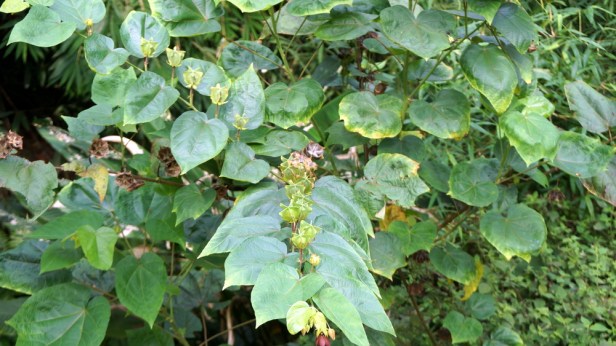

Ducks in all the waters 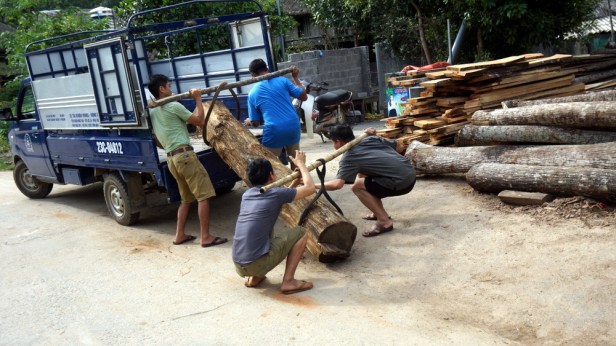
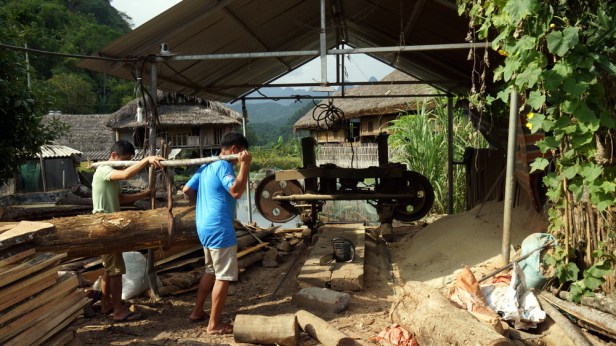
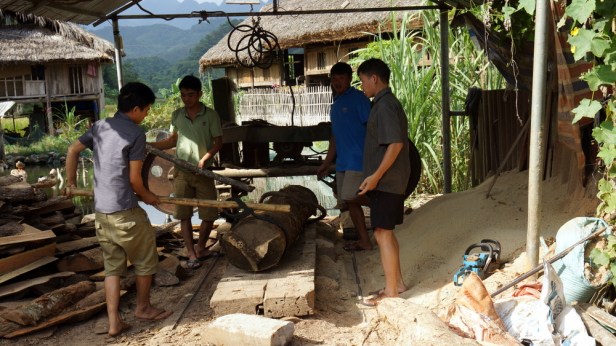
Wood transport 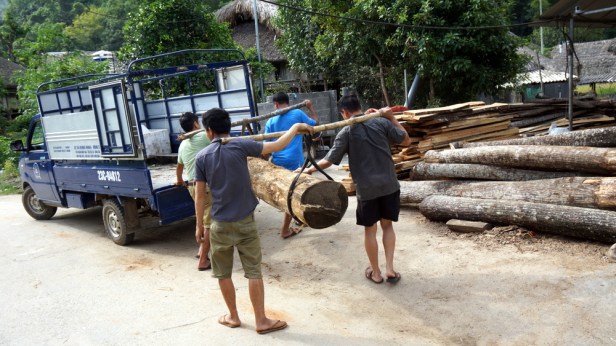
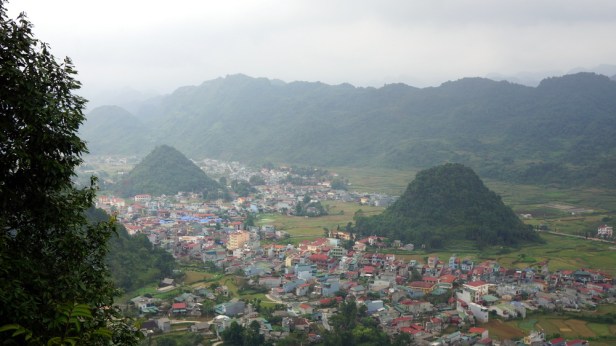
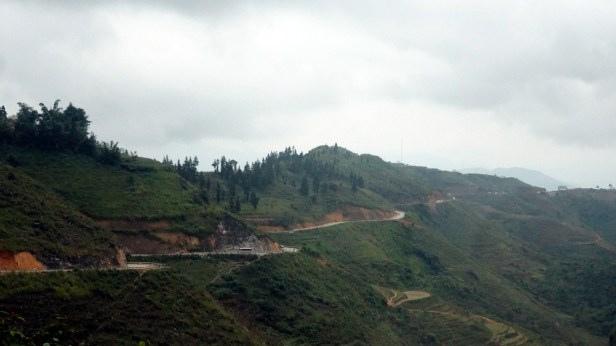
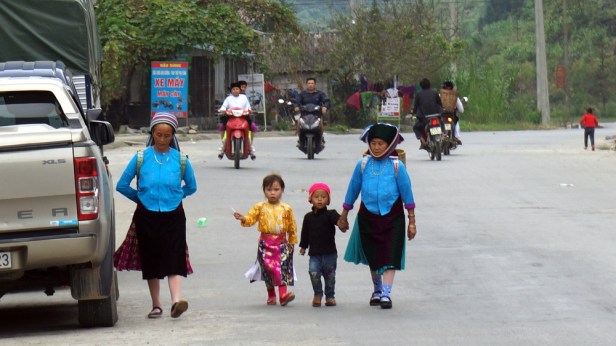
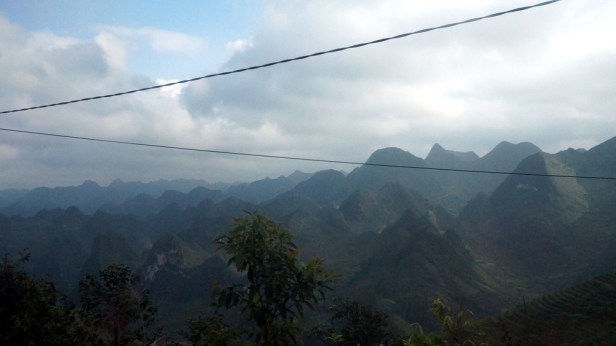
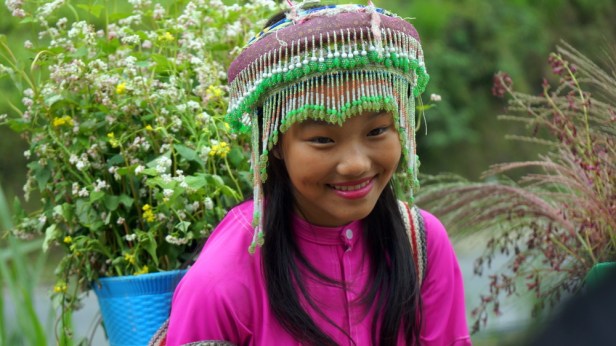
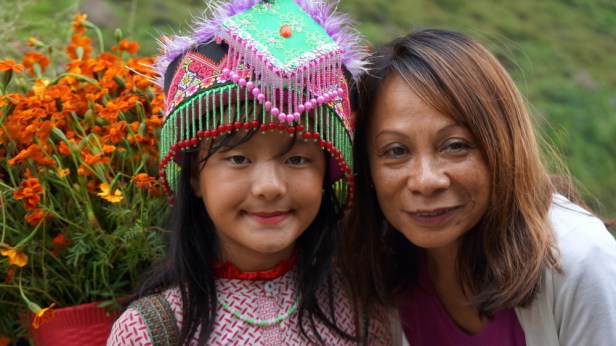
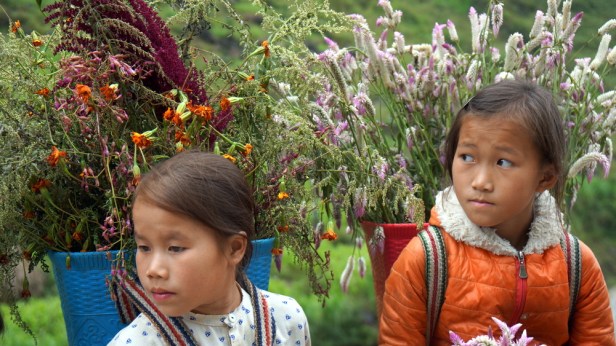
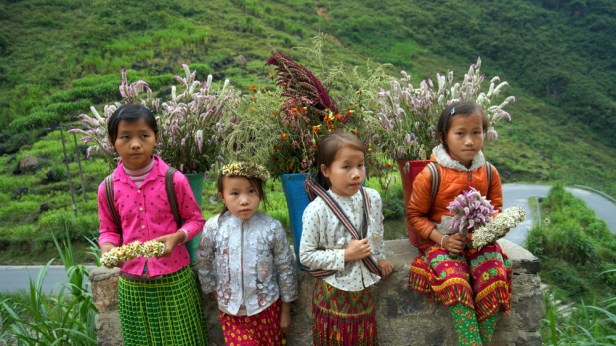
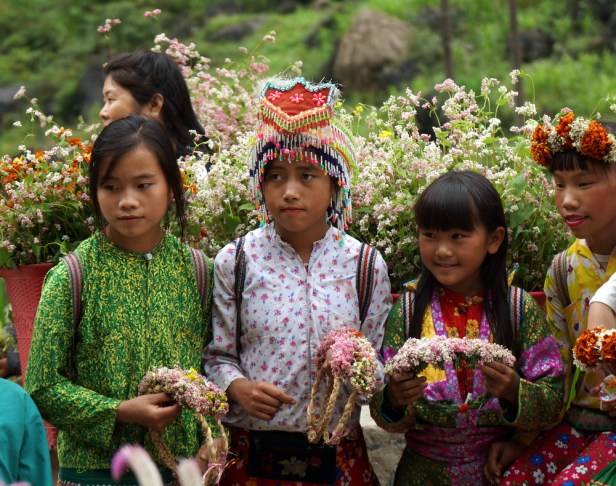
A 12-seater minibus with 2 spanish tourists and a large group of young Vietnamese ladies from Saigon brought us through the mountains to Dong Van. Roadworks were ongoing to improve the road and open-up this area for more mass tourism like in the area around Sapa which we visited later. The road winds up and down through the mountains. At one stopping point a group of local children stood ready to be photographed. They all wore colorful dresses and had a plastic basket on their back, filled with colorful local flowers. Although very touristy, the children were not aggressively demanding money. This was the same at other stops along the way. The most northern part of the trip was a detour to the Chinese border where the Vietnamese had built a large tower on the top of a hill. The top of the tower had a large Vietnamese flag (red with a yellow star) waving deviantly towards China. The following day we left Dong Van and drove back to Ha Giang. Along the way we stoped at the Vuong Palace (1890). This was from a ruler who made his fortune by opium trade with China. The road snakes around the tops of the mountains. Far below is the river. At one point we walked down to the river and boarded a boat for a scenic sail though the river gorge. This must be a famous stopover. There were a large number of boats and all the Vietnamese ladies were excited to get their picture taken on the bow of the boat with the gorge in the distance. At the end of the sail, we all got on the back of waiting motorcycles and drove up the mountain over a winding concrete path. The drive was a bit scary because of the sharp bends and possibly slippery mud on the concrete. After dark we arrived at our hotel in Ha Giang. Jenny, from the travel agent, kept in constant contact with us (via Whatsapp) and made sure all transport connections went smoothly. The next morning the taxi was waiting to bring us to the bus station. There we boarded a sleeper bus which took us cross country to Sapa. Along the way we saw how large blocks of white marble were cut out of the mountain and into smaller blocks for further transport. The hills were planted with fast growing trees. When large enough, they are cut down and peeled for making plywood sheets. Along the road the thin sheets are layed out to dry. At some point they must be gathered up and transported to a central factory. The long 7 hours bus drive over sometimes very narrow roads was comfortable while lying stretched out in your fully reclined chair. You could, however, easily get car sick in this position. Several passengers made used of the sick bags and one older lady was lying stretched out in the corridor making unpleasant sounds.
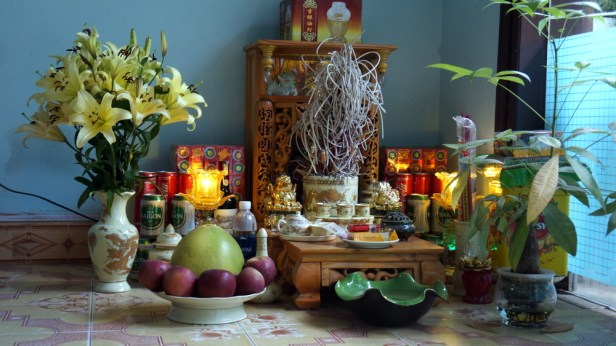
House temple 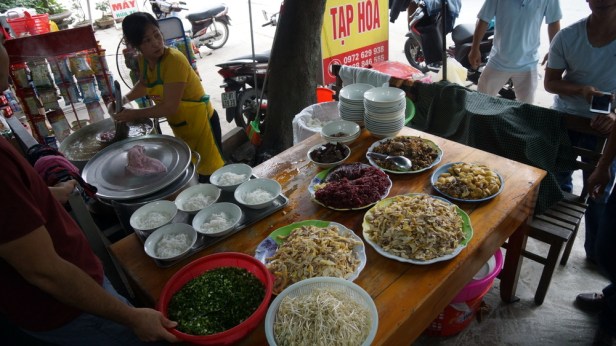
Breakfast in Ha Giang 
Karst Plateau 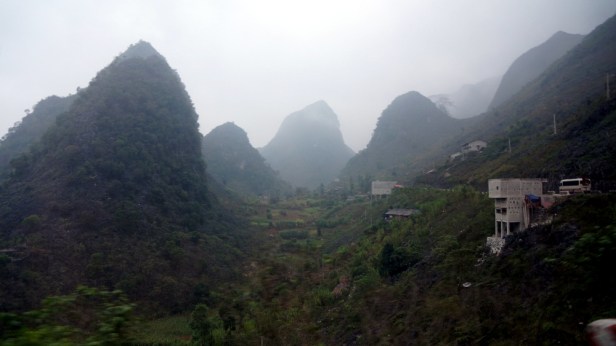
Geopark 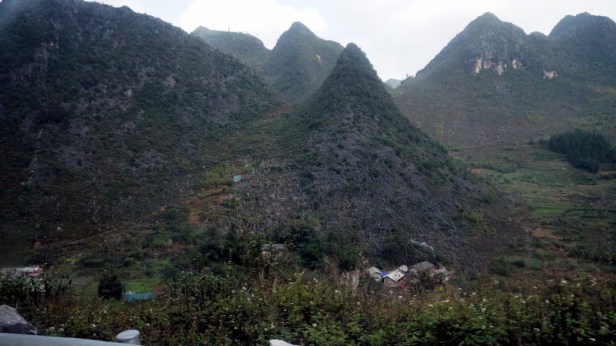
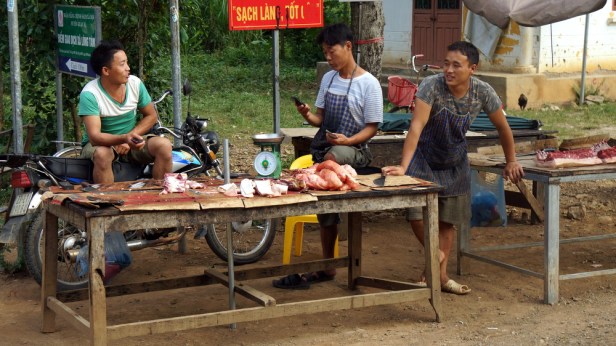
Meat stall 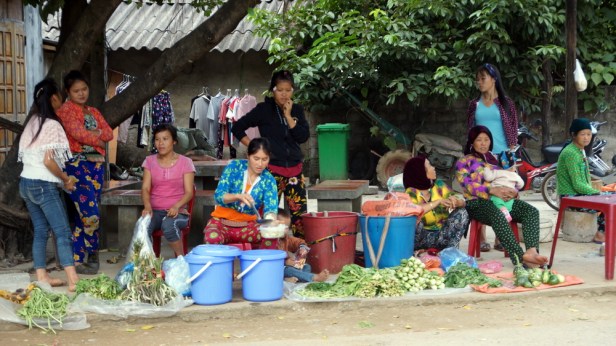

Tofu 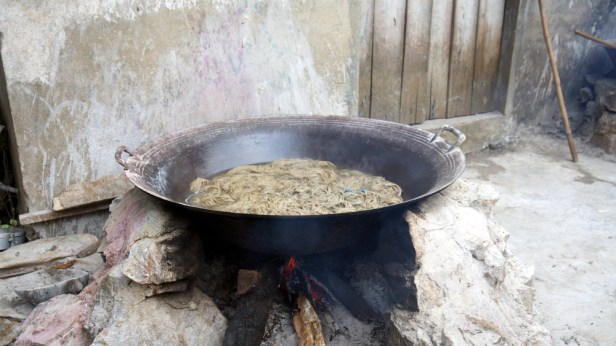
Softening the tread 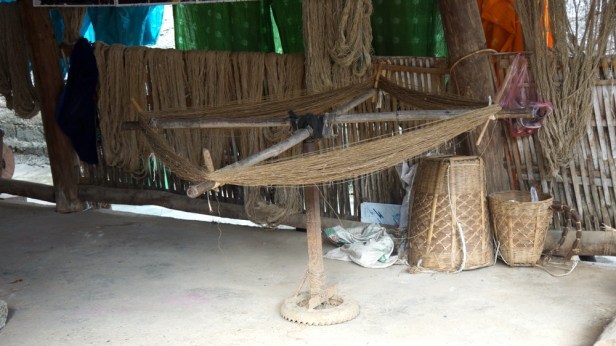
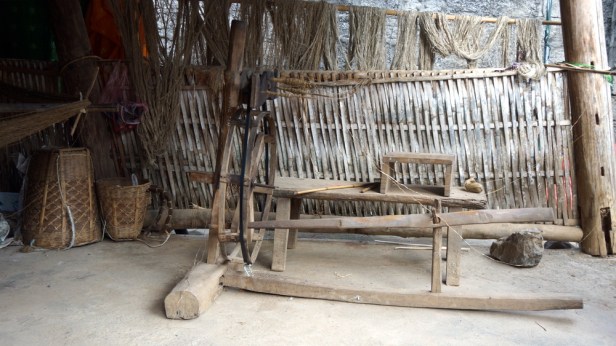
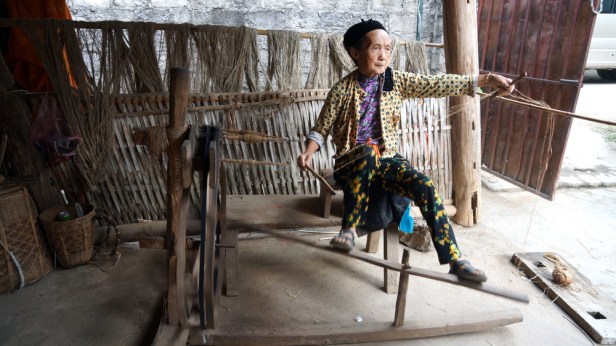
Spinning with your legs 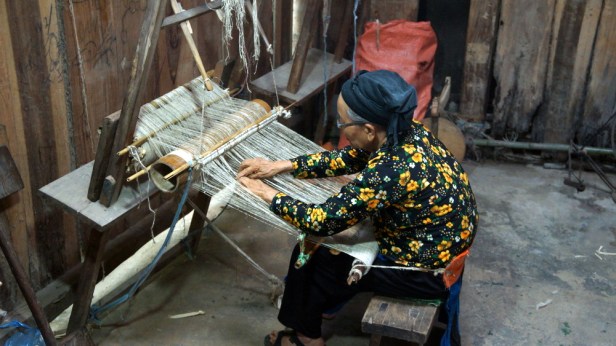
Weaving 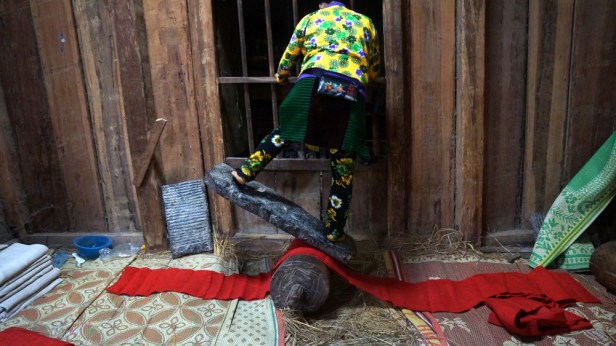
Pressing 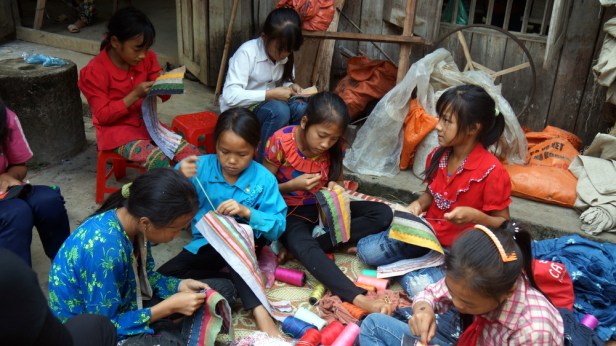
Sowing (after school!) 
Selling 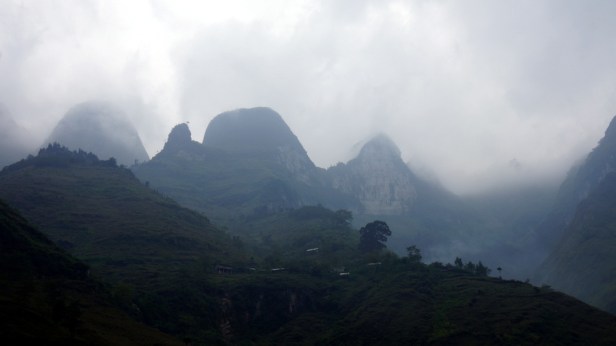
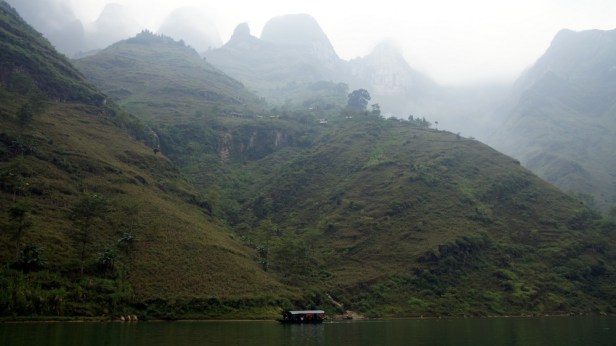
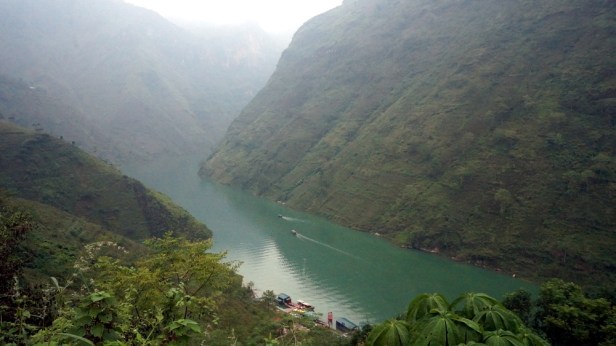
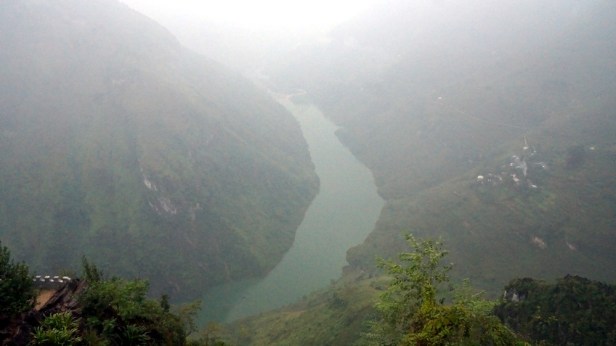
Unfortunately no clear sky 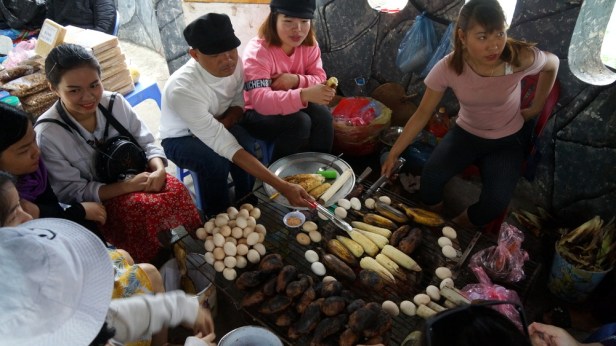
Rest stop 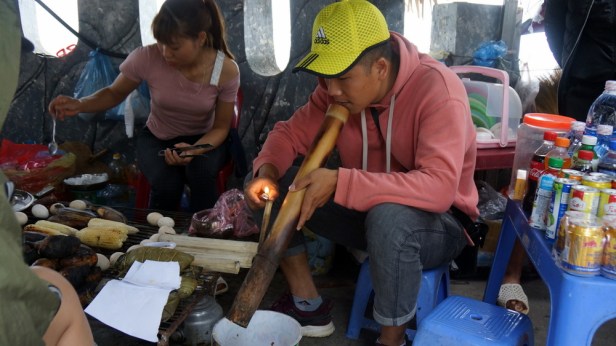
Time for a smoke 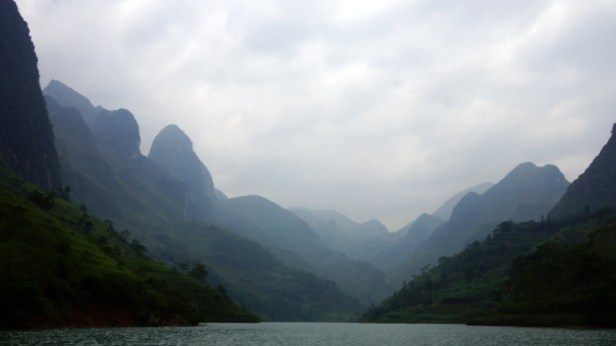
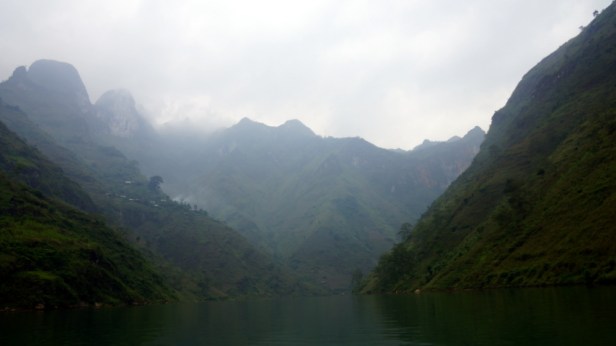
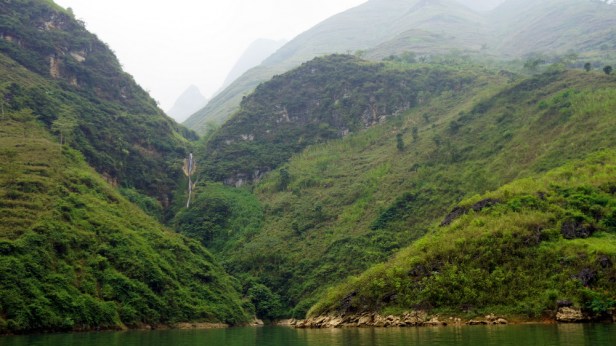
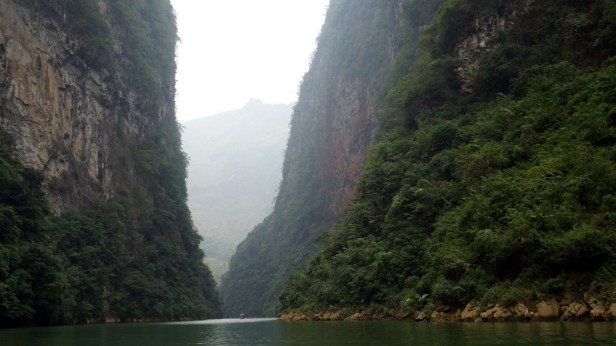
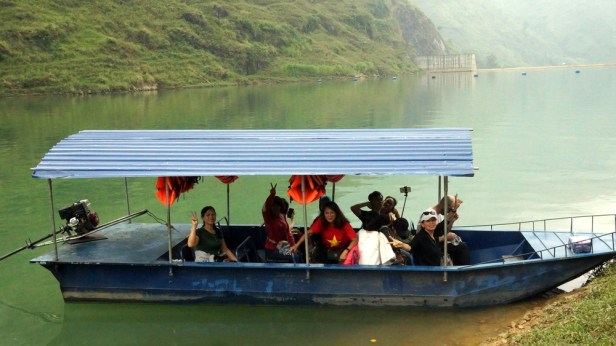
Boat trip 
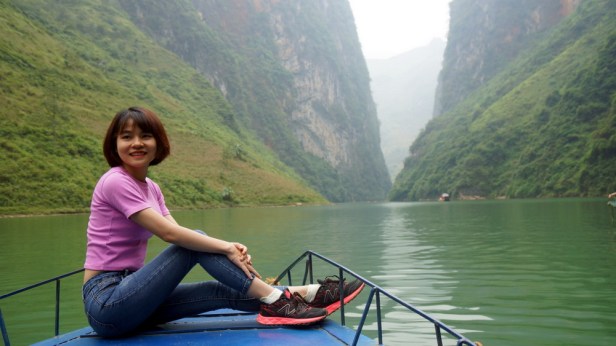
Posing 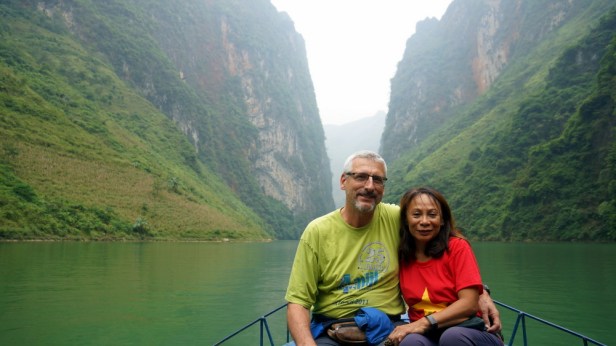
So also for us 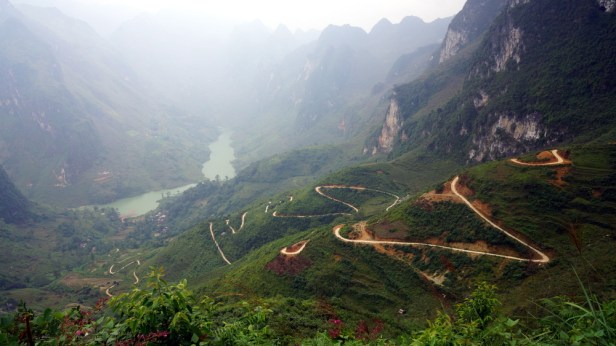
Motorcycle road up 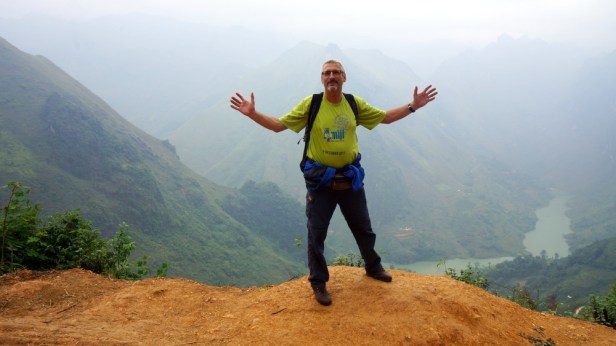
Glad I made it 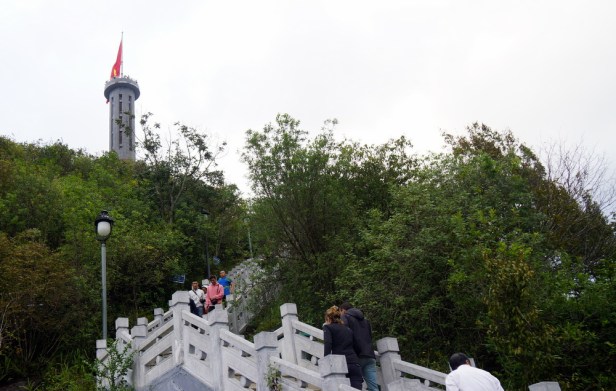
Lung Cu flag tower 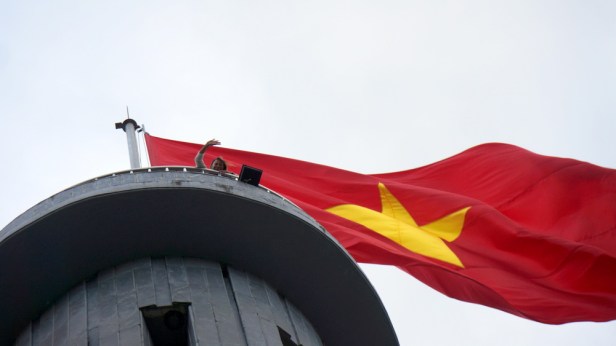
Waving to China 
New temple under construction 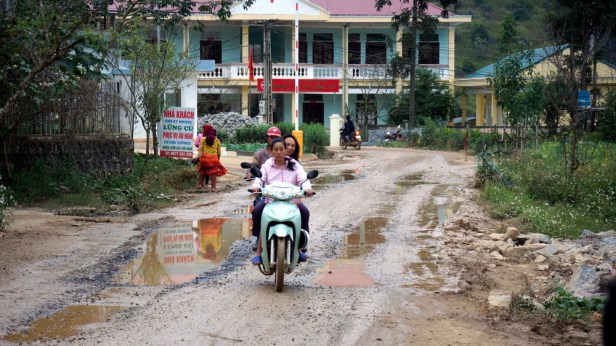
Up and down by motorbike 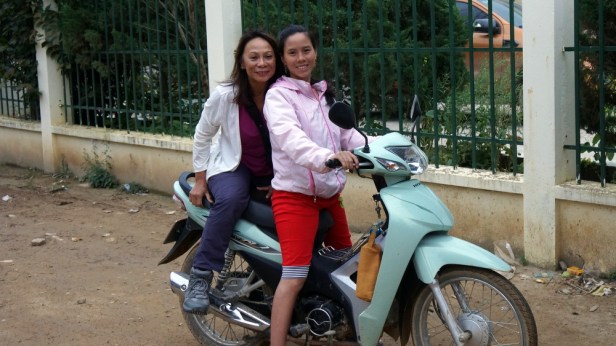
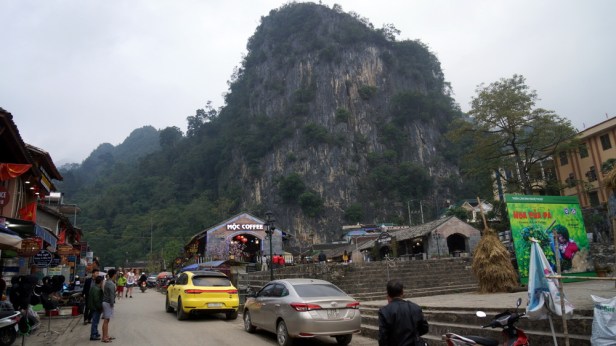
Dong Van 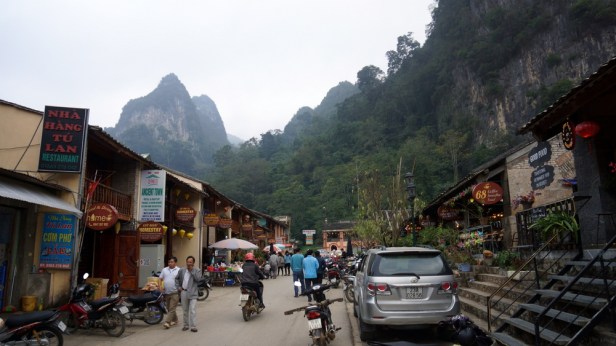

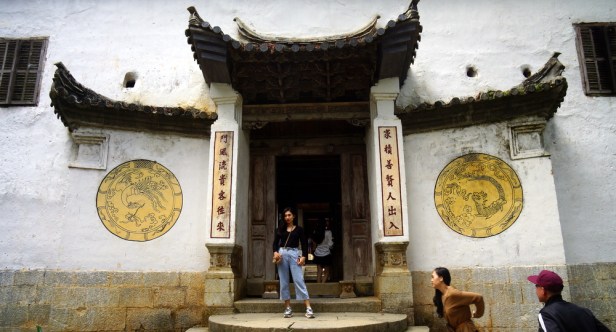
Vuong Palace 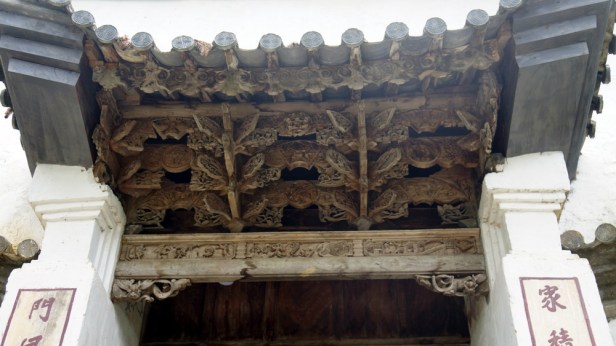
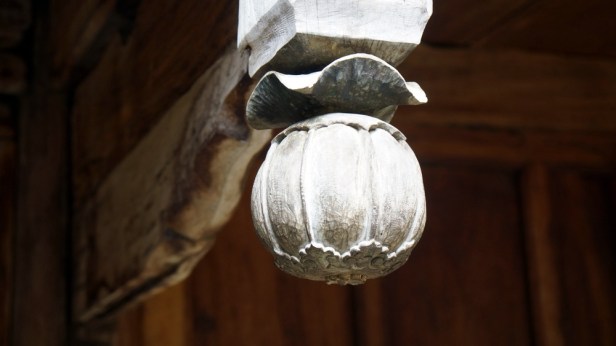
Money made from the Opium trade 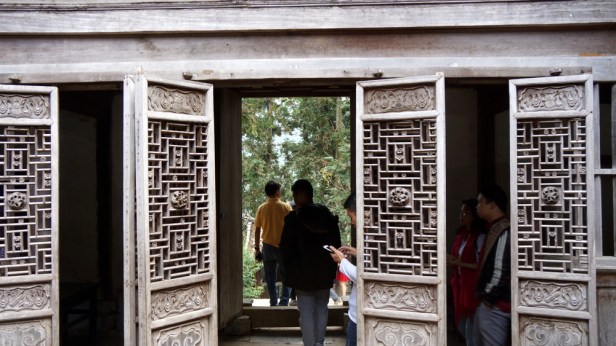
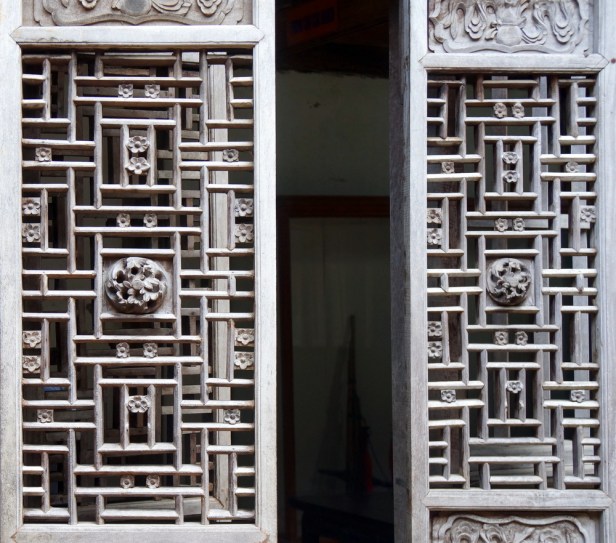
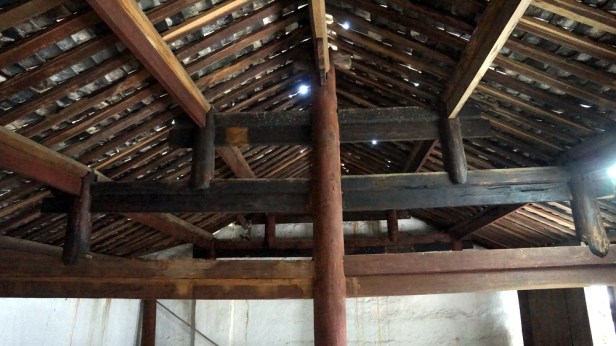
Roof construction 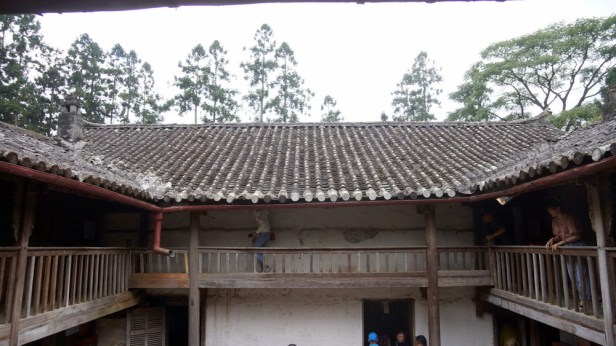
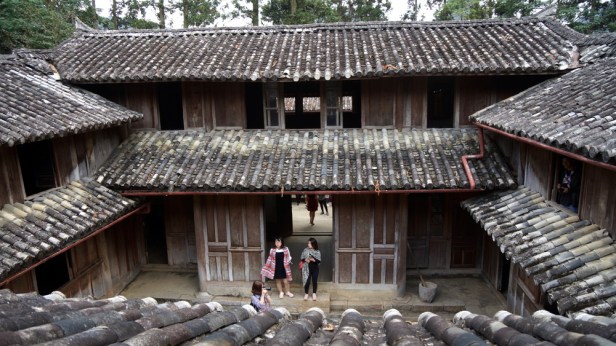
Several inner courts 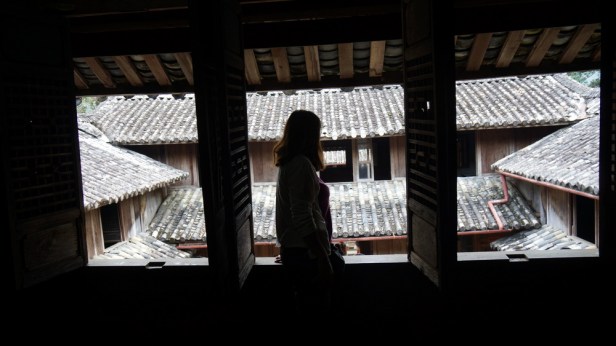
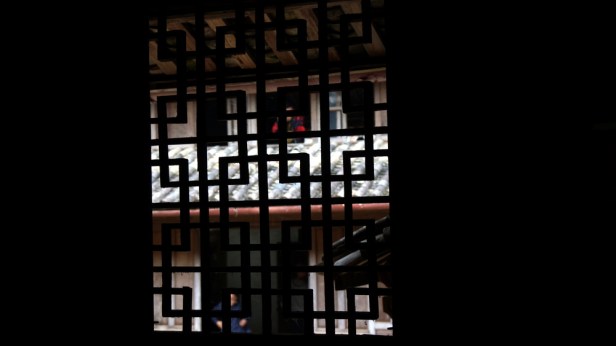
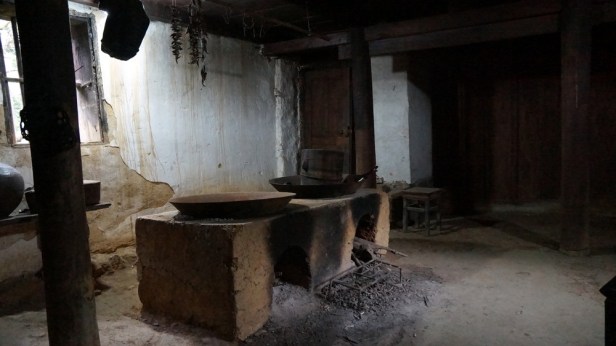
Kitchen 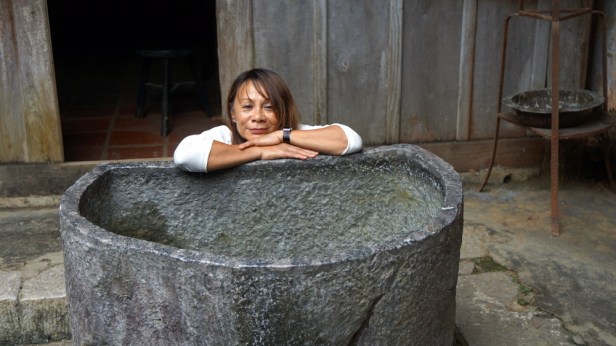
Water basin 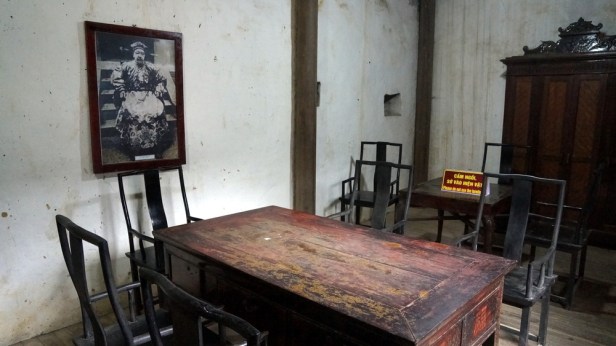
Negotiating table 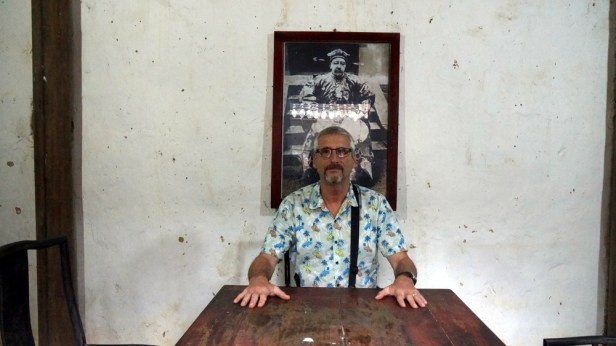
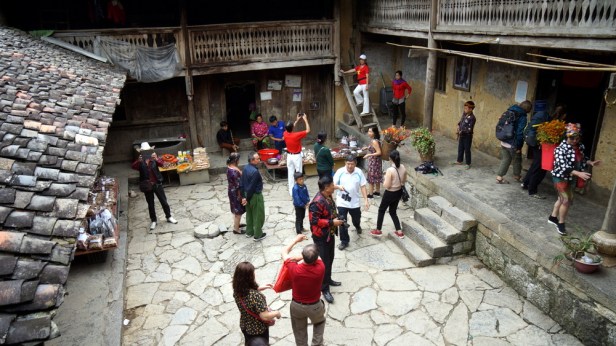
Local house 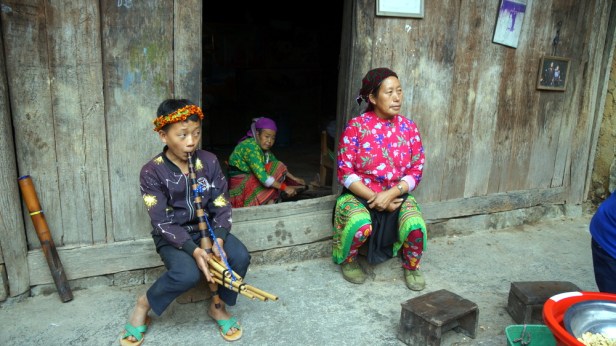

Grinding stone 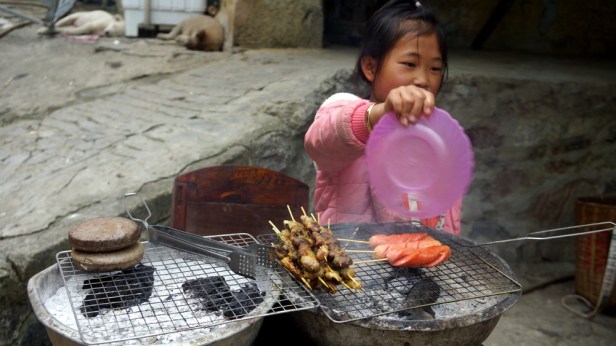

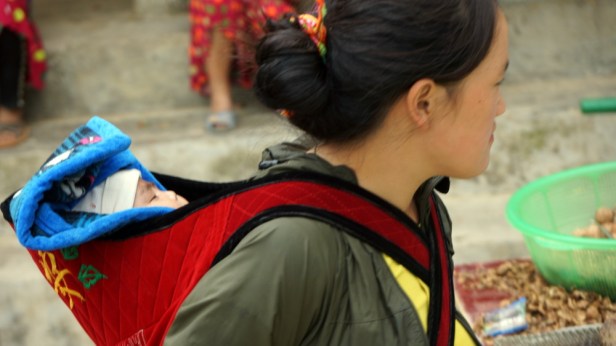
Mother and child 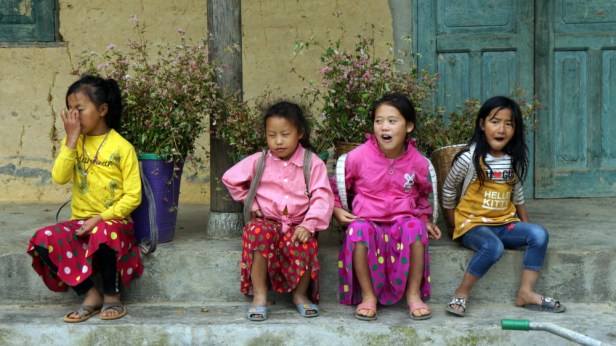


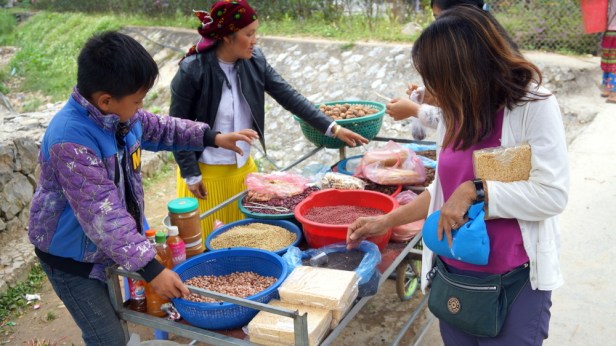
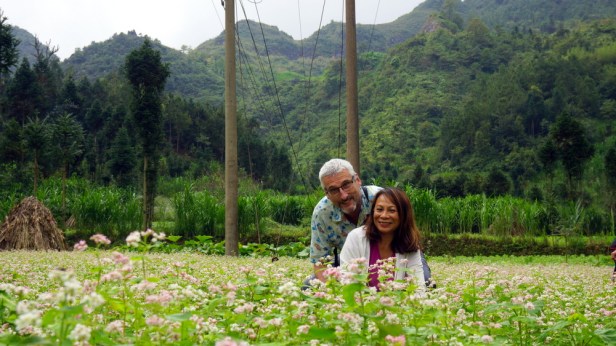
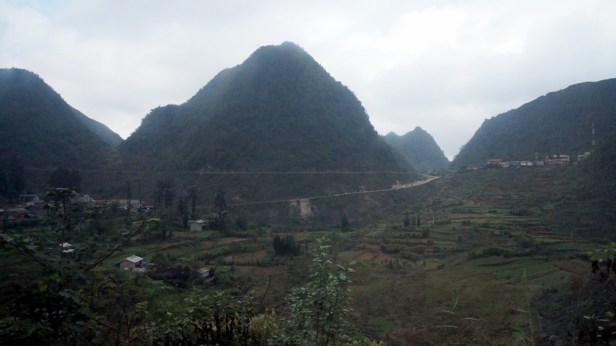
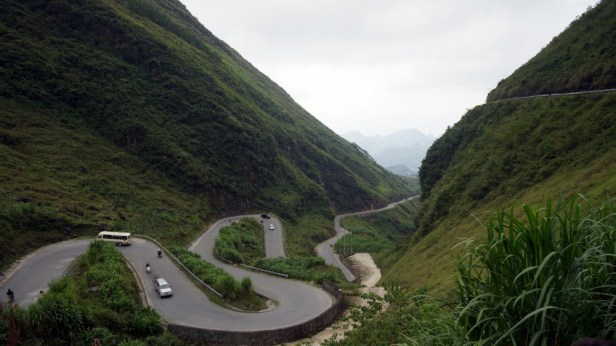
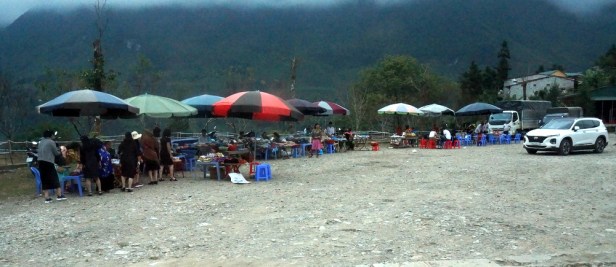
Panorama stop 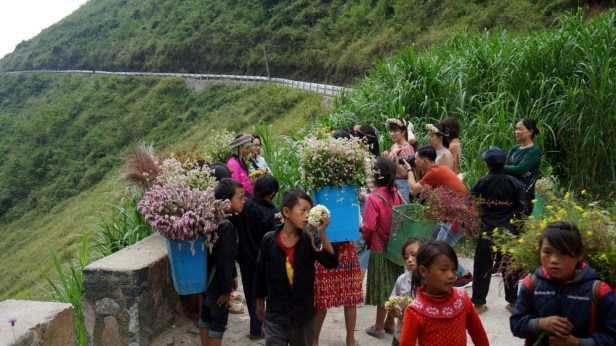
Flower children 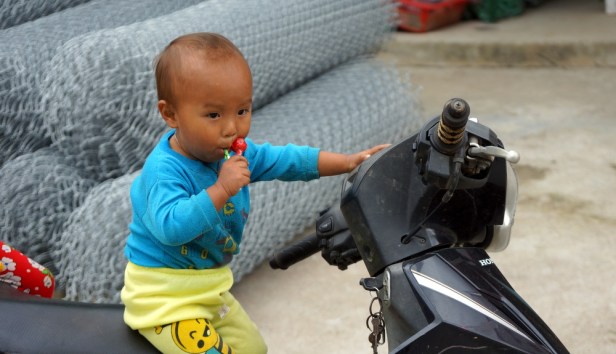

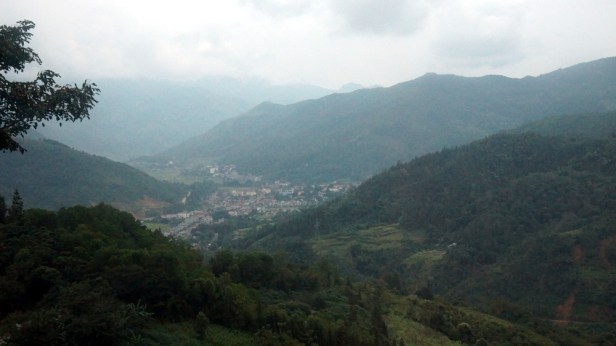
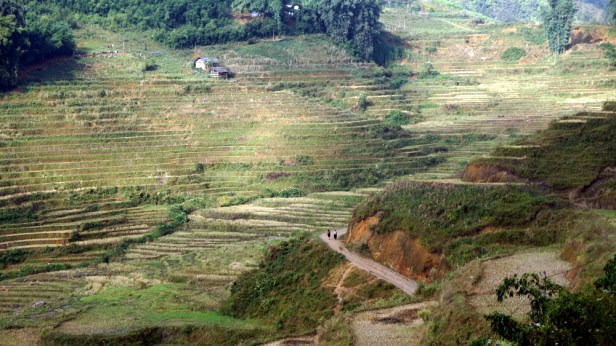
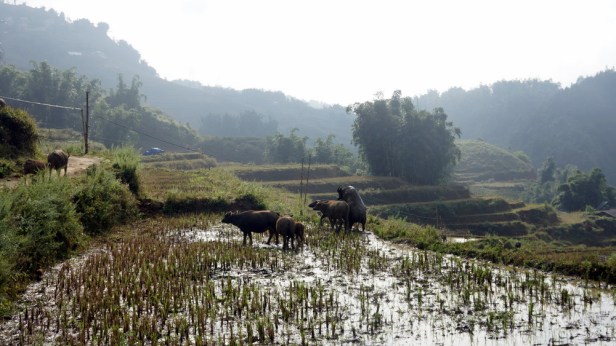
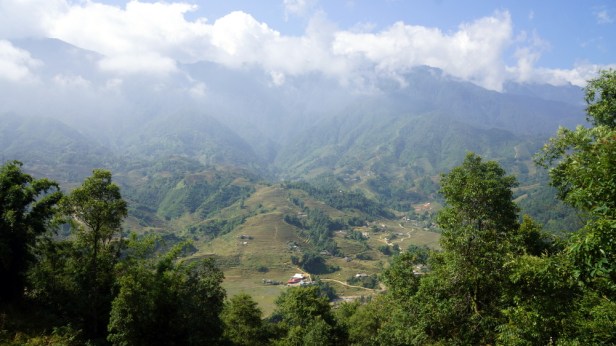
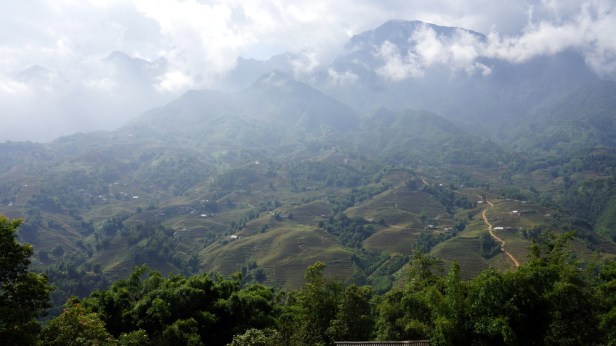
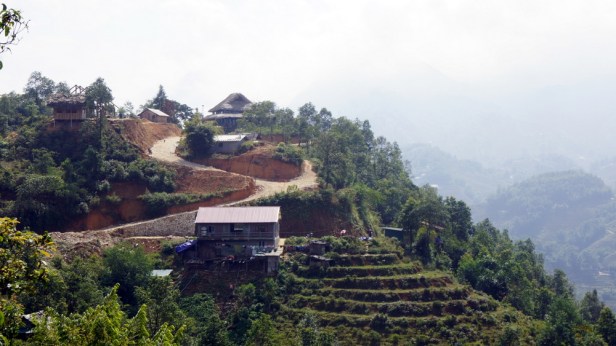
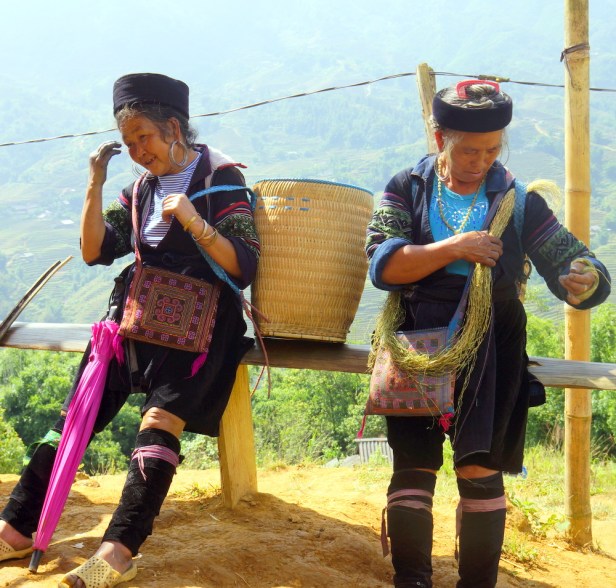
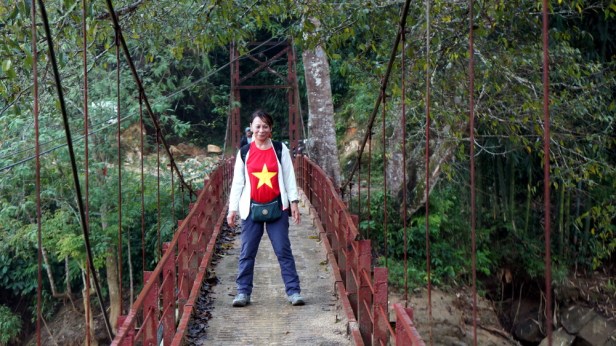
Sapa is the main highland tourist center. The town is full of large and small hotels. Backpackers from all over the world come here for trekking through the hills covered with rice fields. The Vietnamese families come here in the summer to escape from the heat of Ha Noi. In the morning we left, together with an Australian woman and a guide and extra support lady, our hotel on the mountainside to descend over a slippery mud path down the hill. The lady had to help Rudy down the muddy path. She was walking on slippers with a baby on her back and offered Rudy a strong arm where needed. Along the path down the side of the mountain there are lovely views of the surrounding rice field filled valleys. It was cloudy and most of the rice was harvested. Thus, none of the traditional postcard photo’s. Sadly when looking back up the slope of the hill, you could see many hotels often still under construction. Also other trekking groups were making there way down the slopes. Once in the valley, we had another large lunch of rice with one or 2 vegetables dishes as well as a chicken and a meat dish. The food is excellent and we could also get a English breakfast in the hotel. Sometimes there is a limit of how much rice or soup noodles you can take. A few kilometers along the valley we stayed at the homestay of our guide. The idea is there but it still needs a lot more decoration and furniture. Many other homestays along the way looked more finished. Still the food in the evening was again delicious. A New Zealand couple shared with us the evening meal and we had a great time swapping stories of past travels. The following day we walked further down the valley through local villages over swing bridges towards a waterfall. After lunch with dozens of other tourists in a good roadside restaurant we boarded the bus back to Sapa. In our hotel we could take a shower before boarding the afternoon bus back to Ha Noi. The road was primarily 4 lanes so we got back to our hotel around 21:00 hrs. In time for another meal at our now familiar street side restaurant. This time it was just fresh french bread filled with chicken and herbs. Delicious and filling enough after all the large meals on the trip.

Sleeper bus 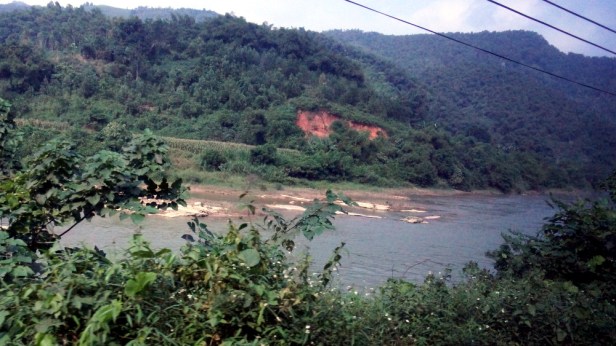
Border river 
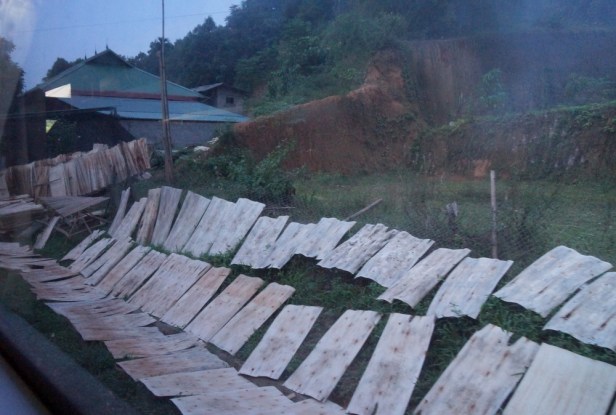
Drying wood sheets 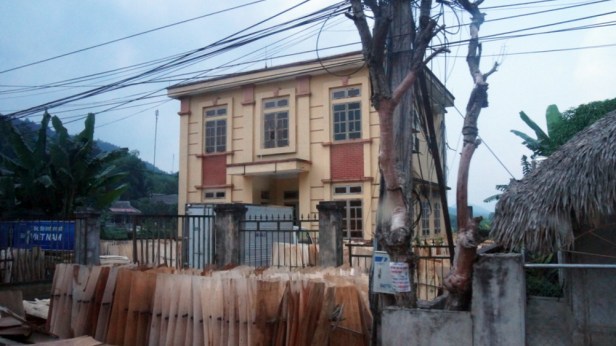
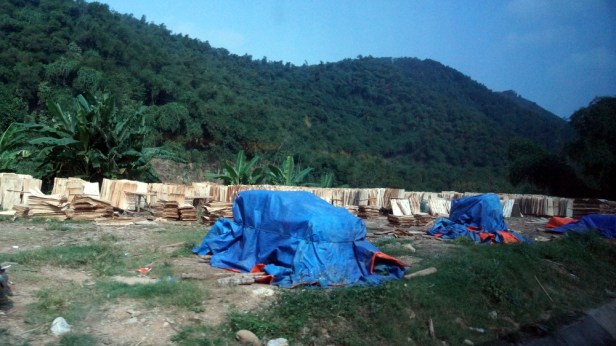
Ready for transport 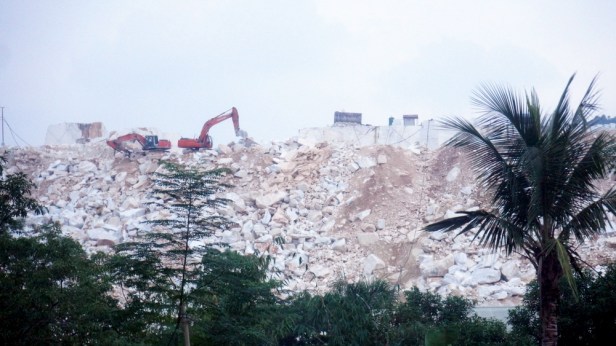
Marble mining 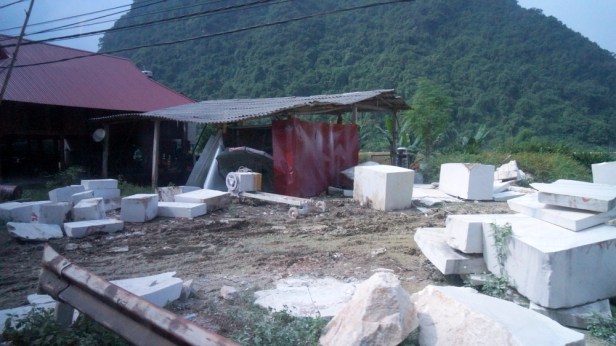
Cutting marble to blocks 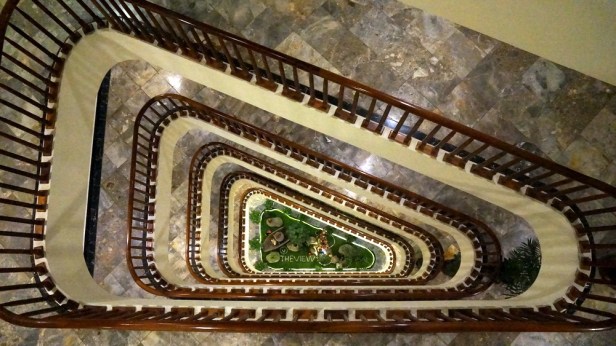
Hotel stairway 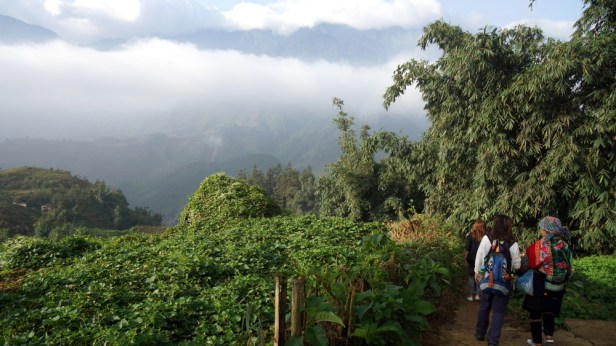
SAPA valley walk 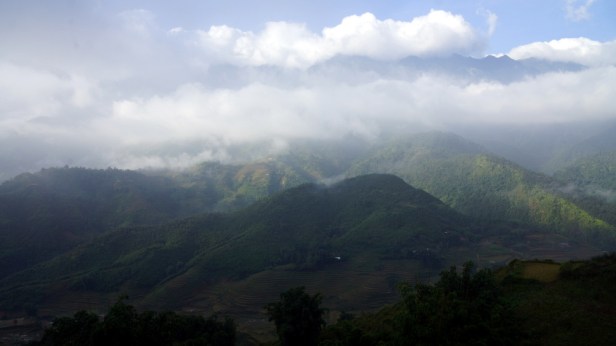

Bamboo forest 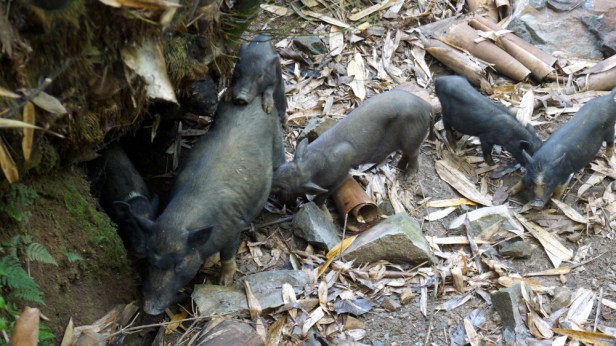
Free ranging pigs 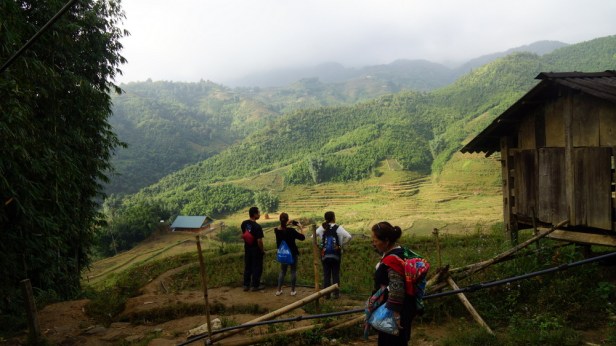
Stop for the view 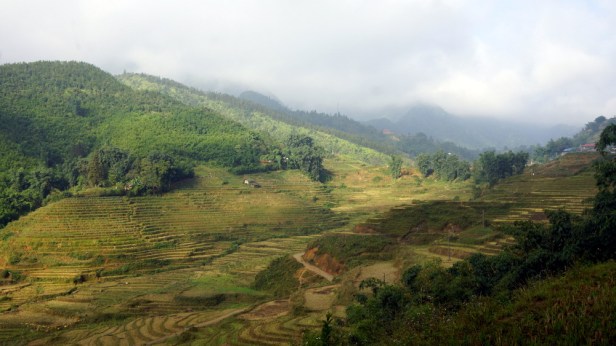

Medicine sale 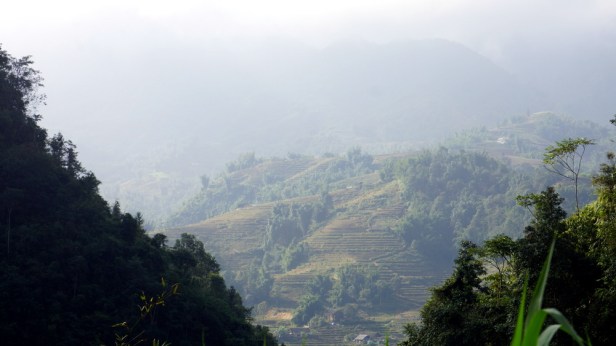
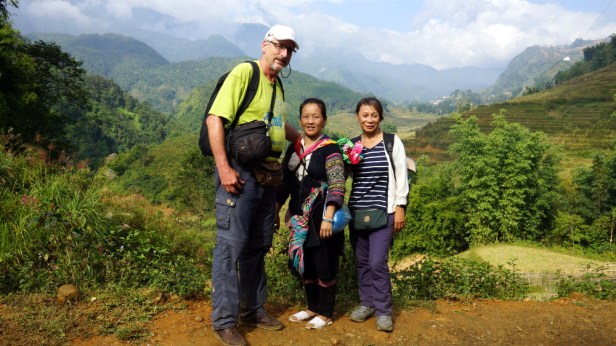
Rudy’s helper 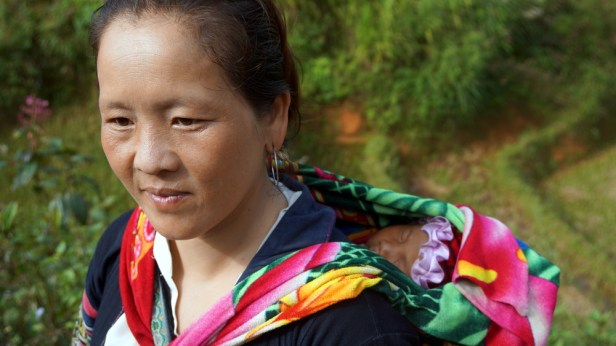
with baby 
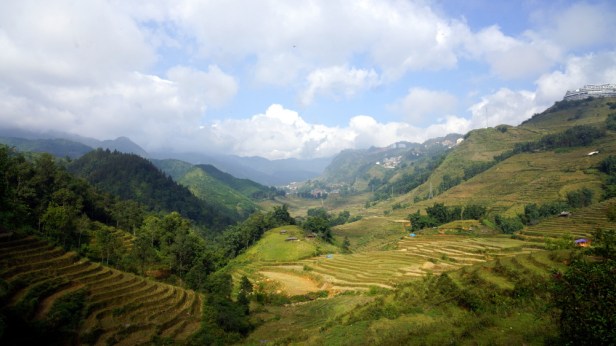
Rest stop 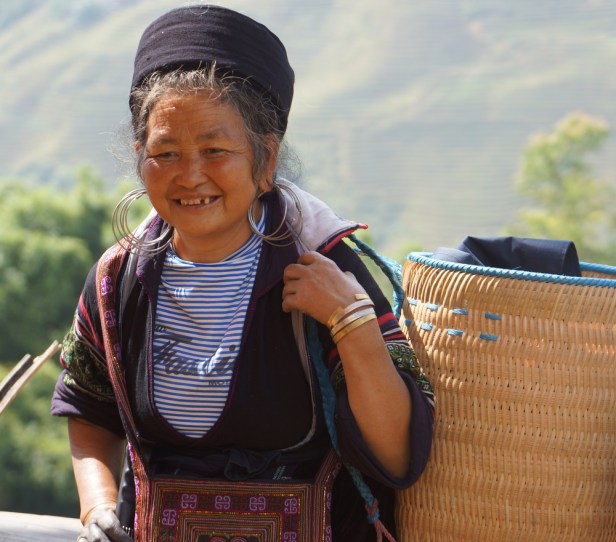

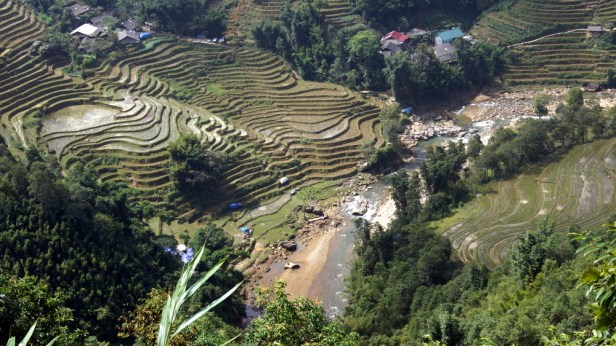
Rice has been harvested 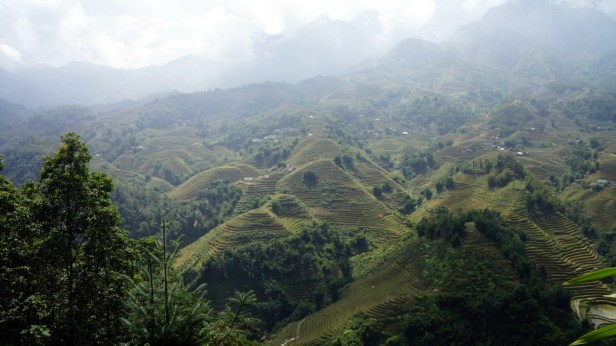
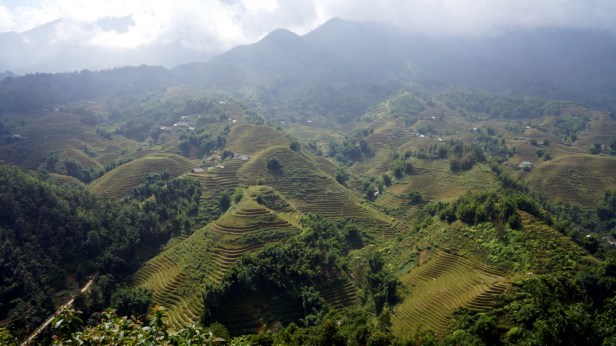
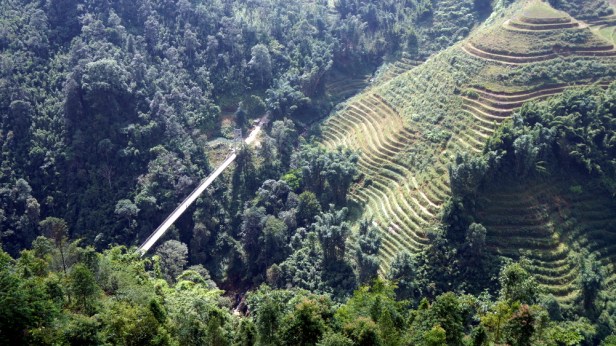
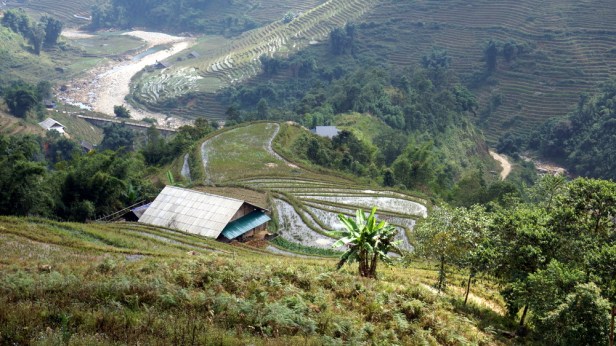
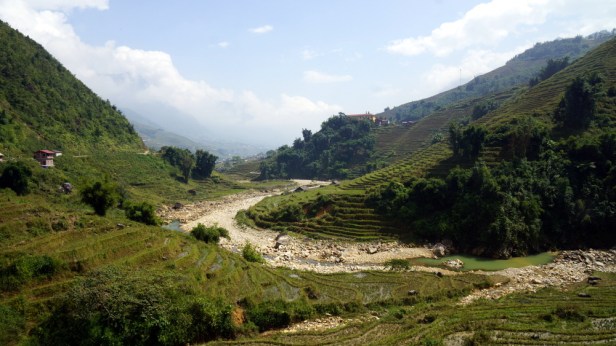
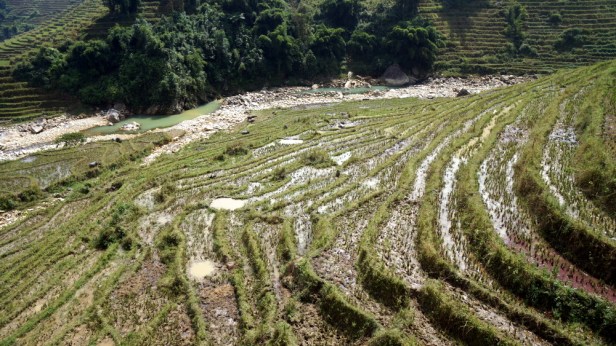
Getting ready for the next planting 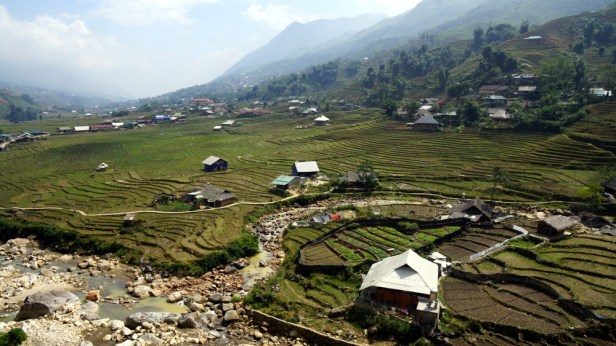
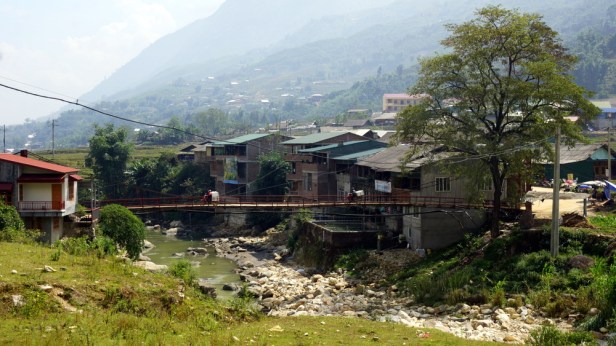
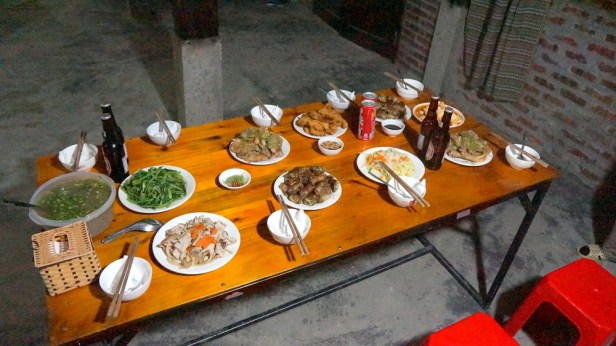
Diner at the Homestay 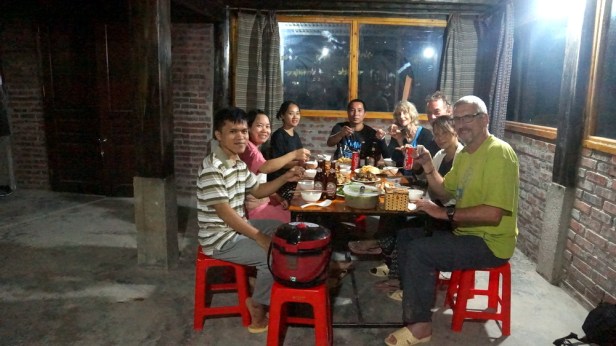
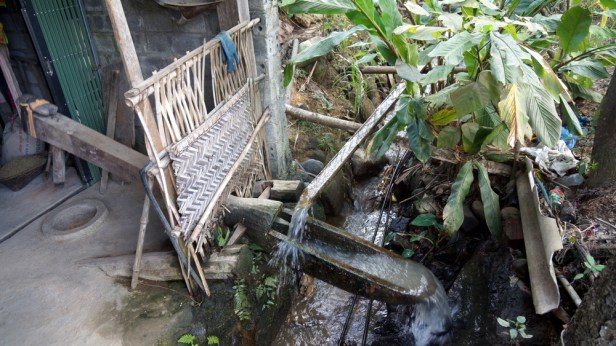
Water powered rice mill 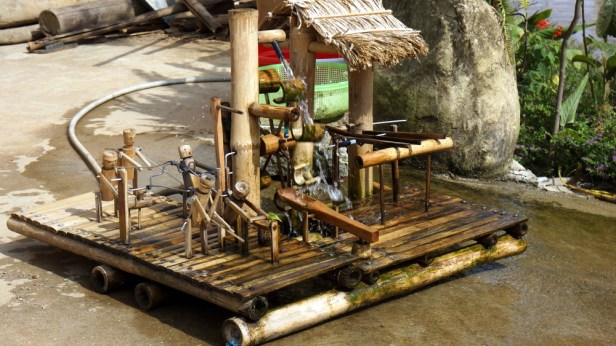
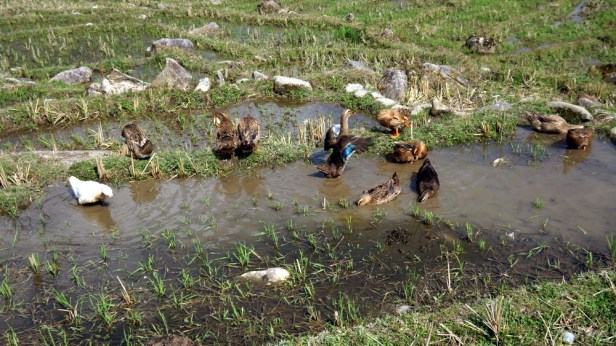
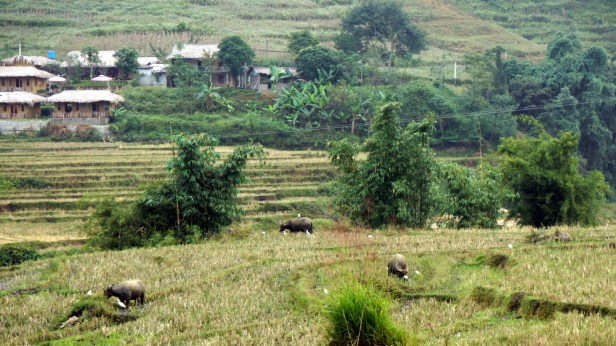
Buffalo with their private bird 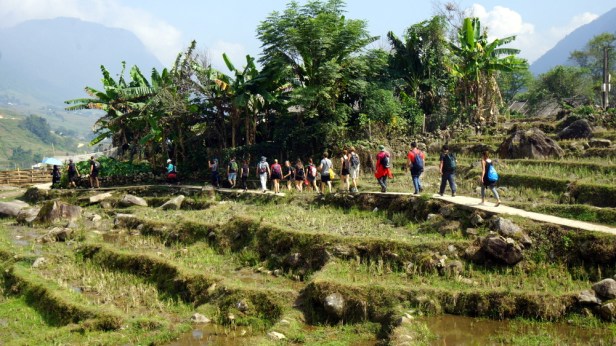
One of many tourist files 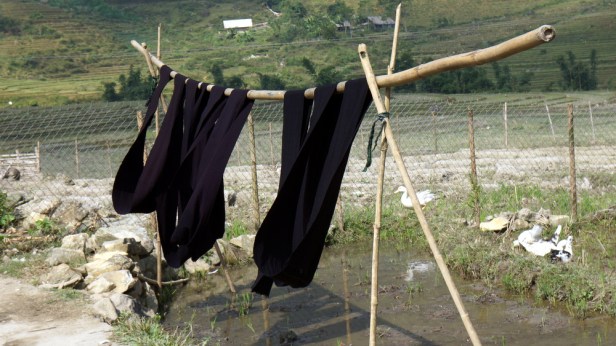
cloth coloring 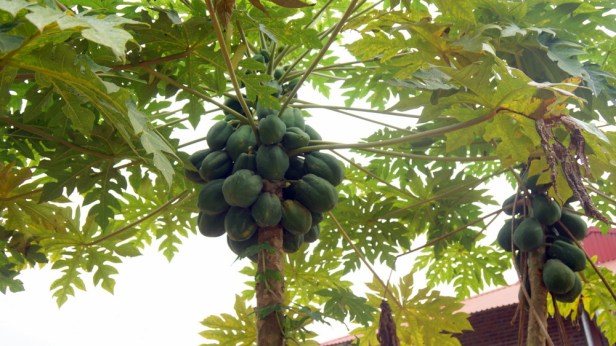
Papaya 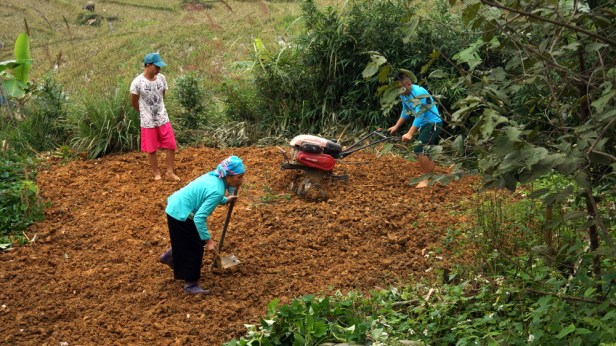
Plowing the land 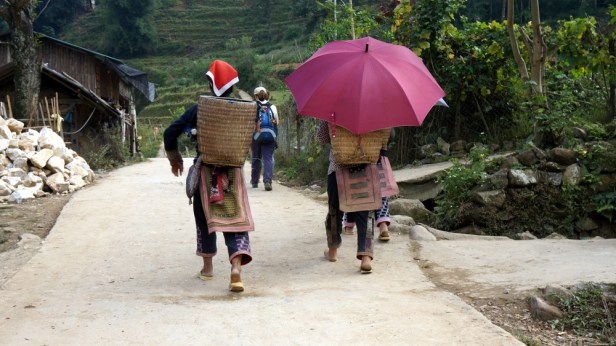
On the way to the market 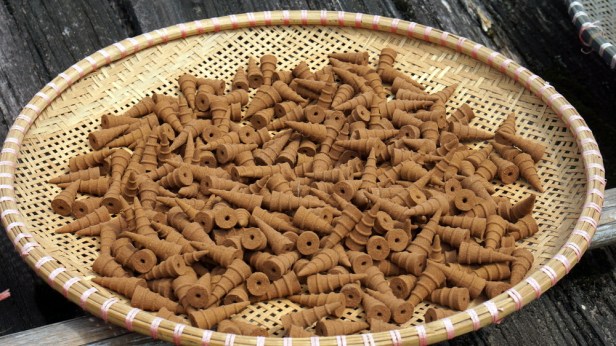
Incense sticks 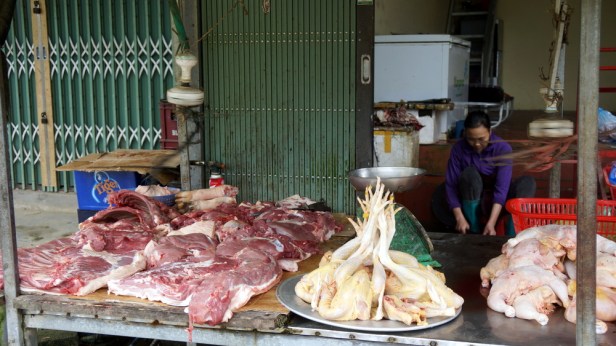

Chicken legs 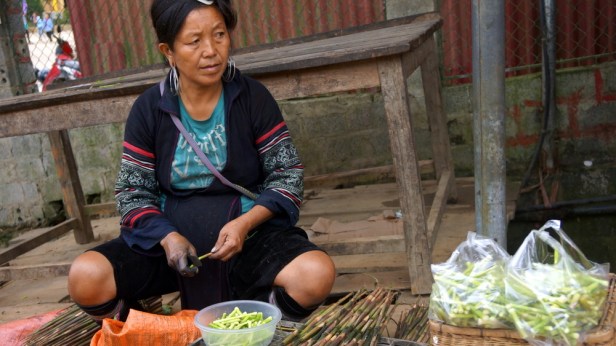
Cutting bamboo shoots 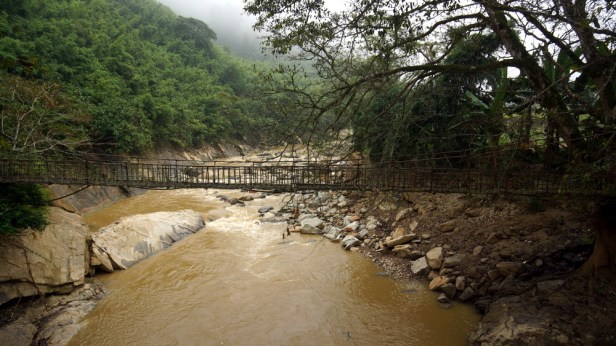
river crossing 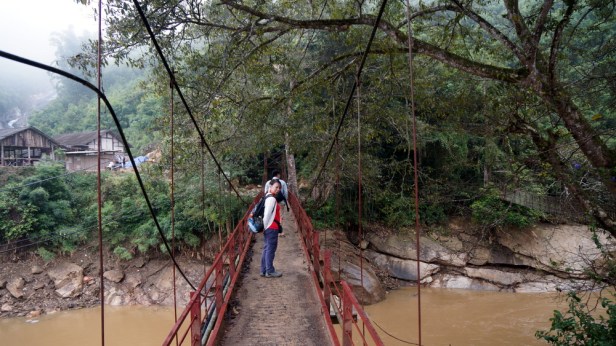

small waterfall 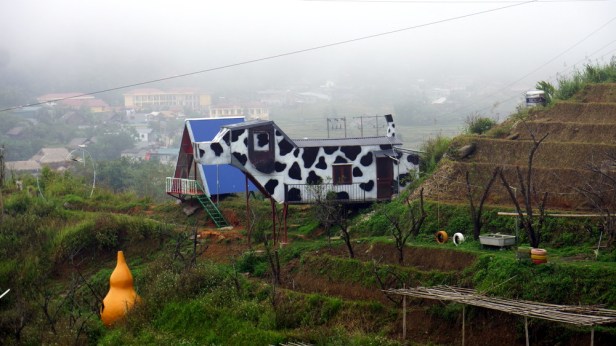
Tourist huts 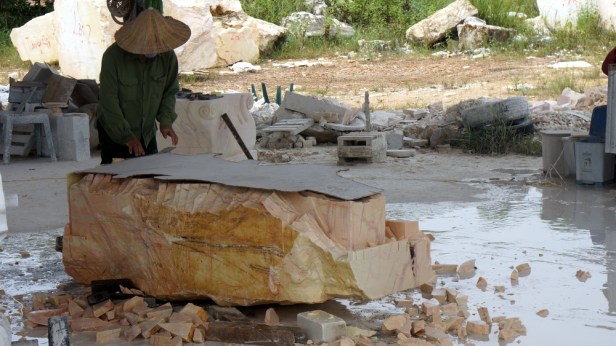
Printing the pattern 
cutting the marble in shape 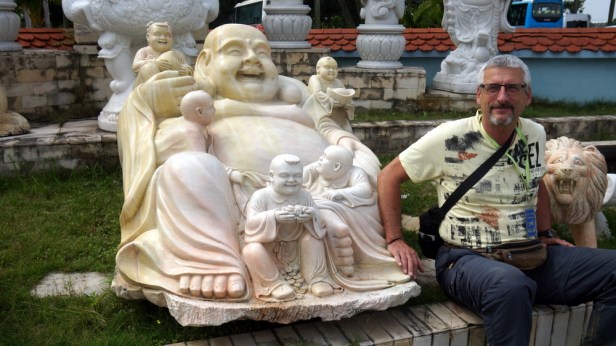
Final product 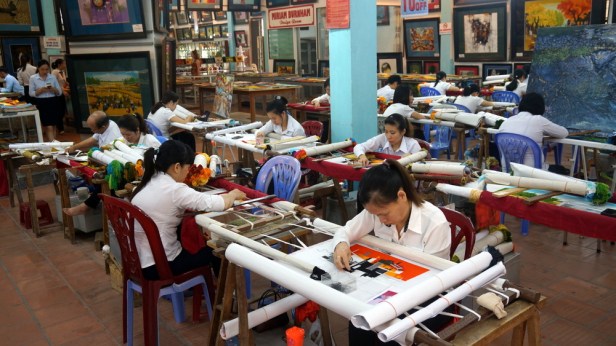
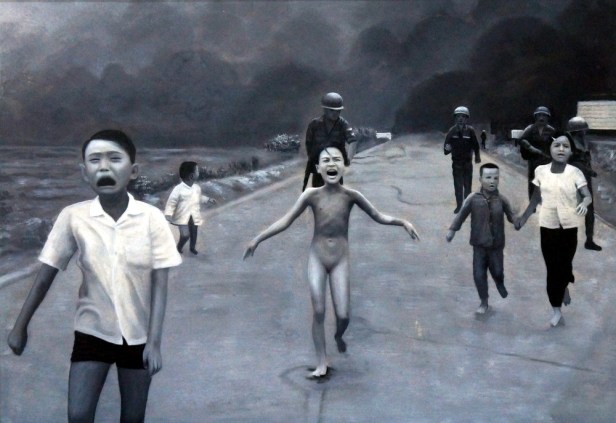
American war painting
 Rudy Welling's Travels