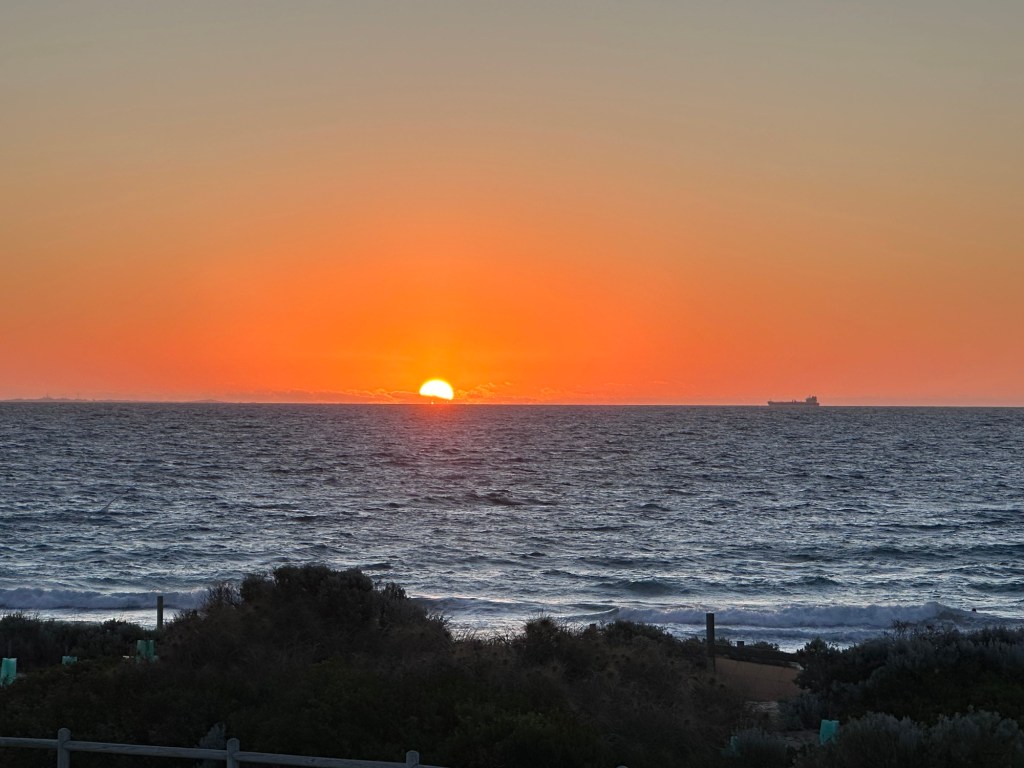
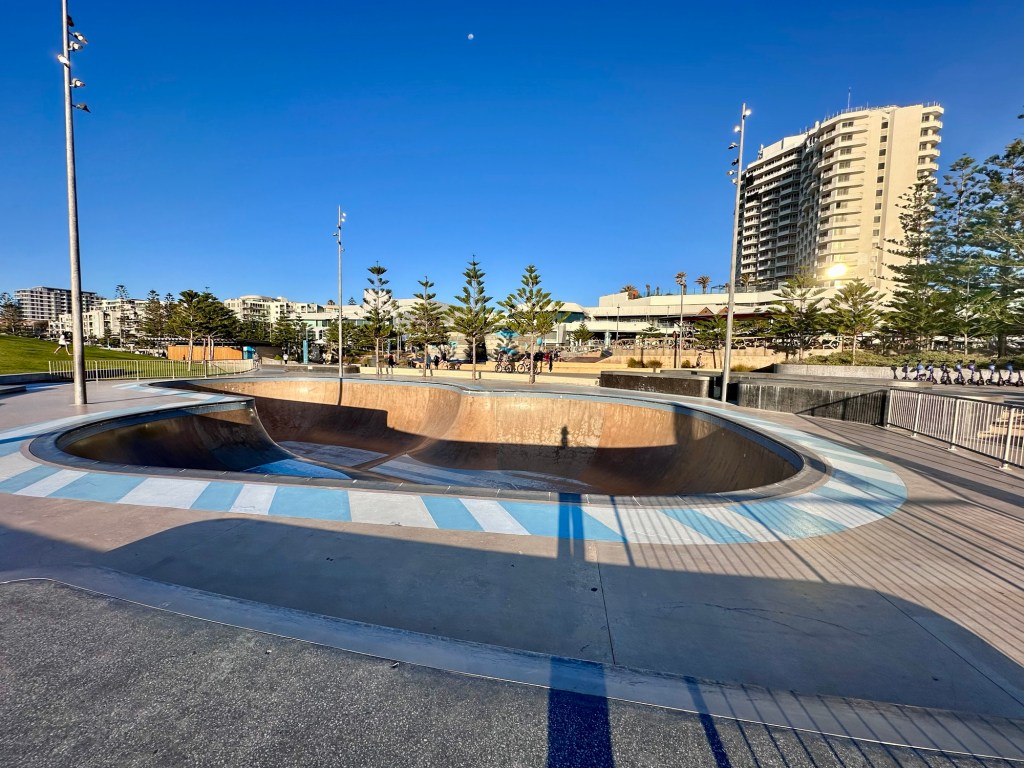
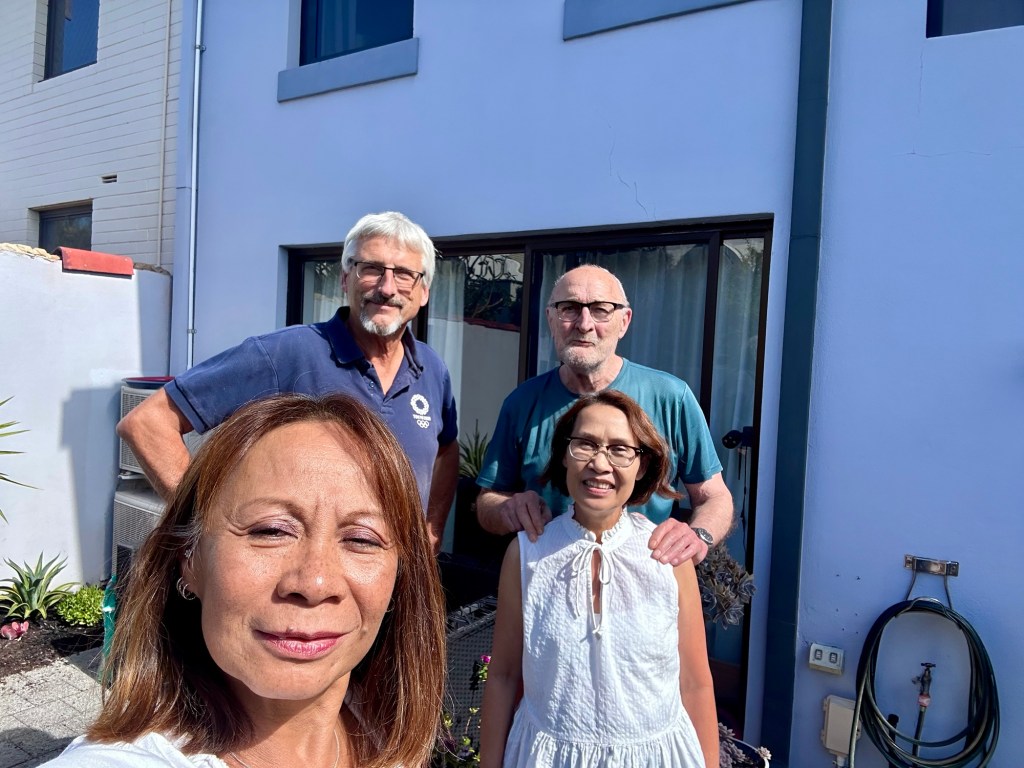
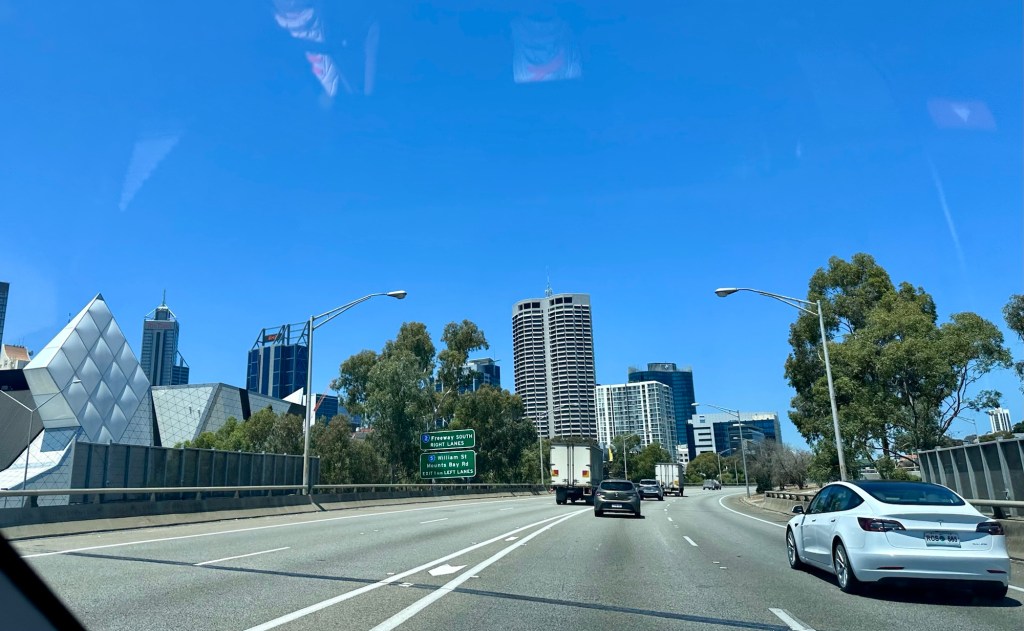
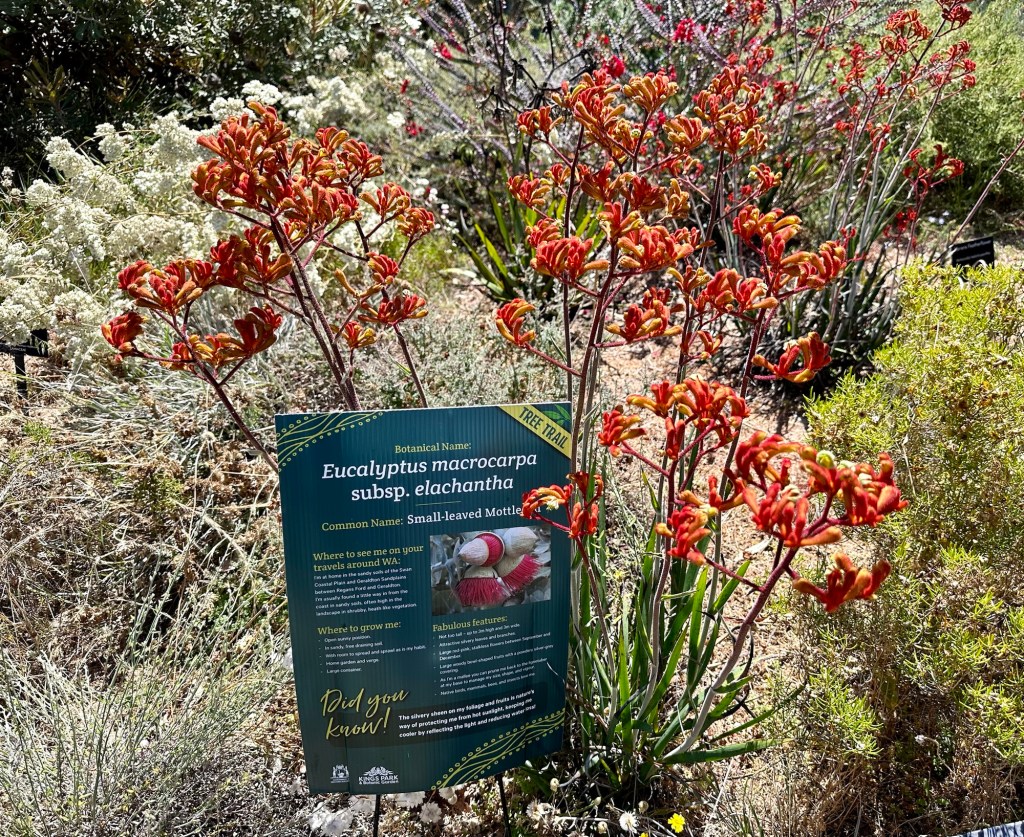
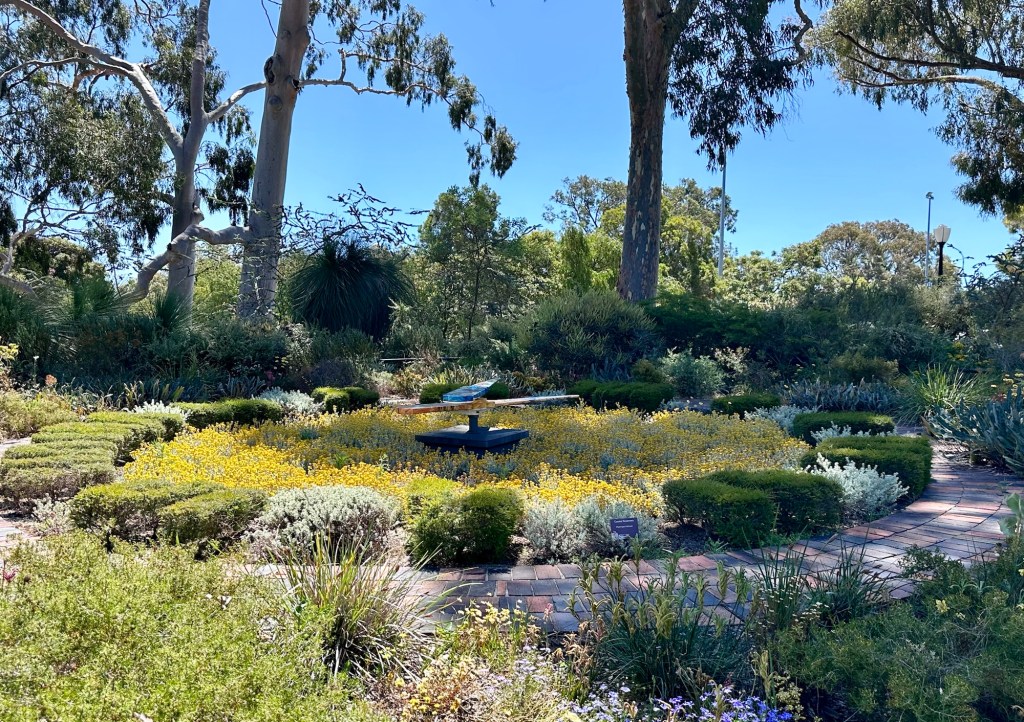
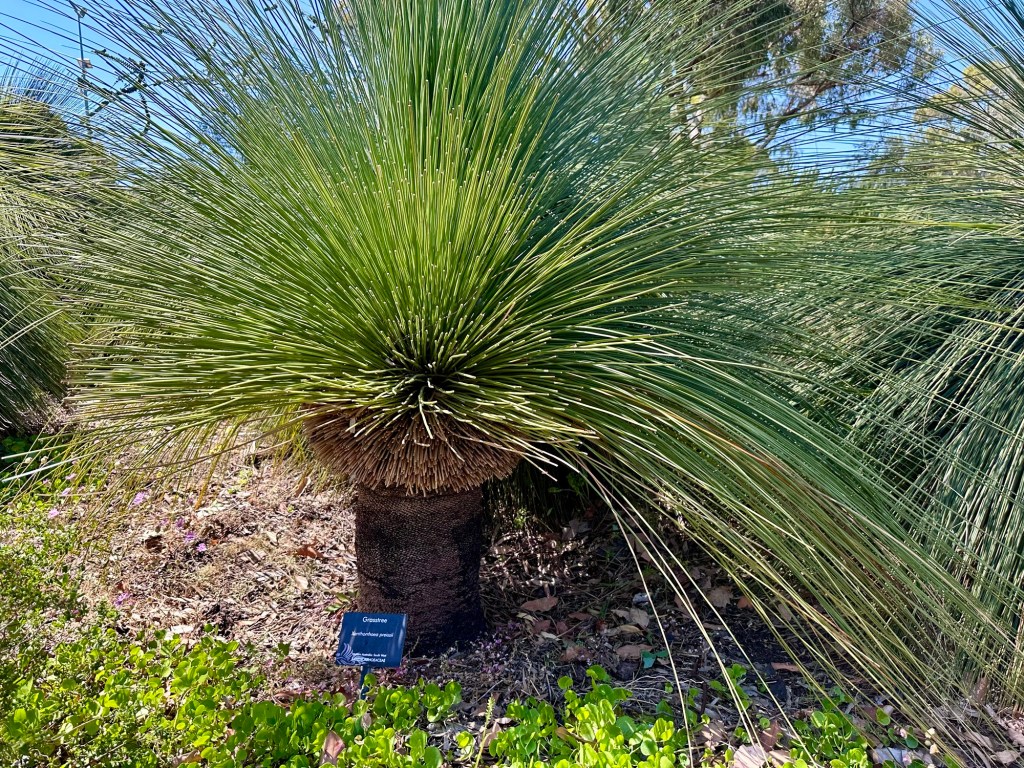
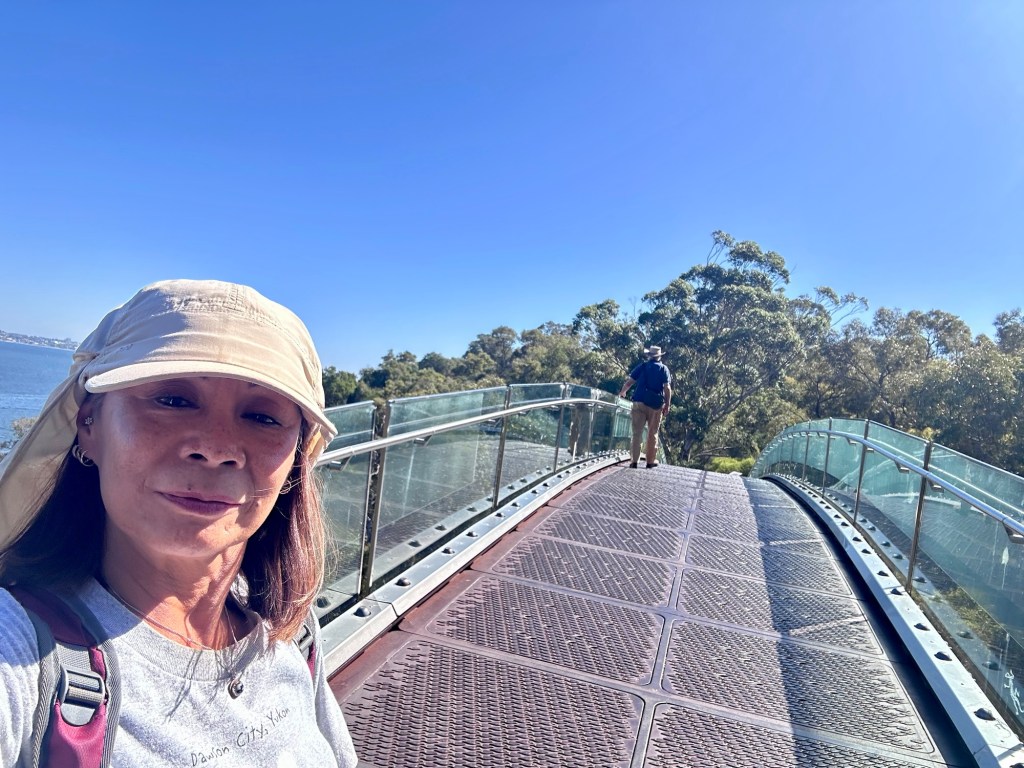
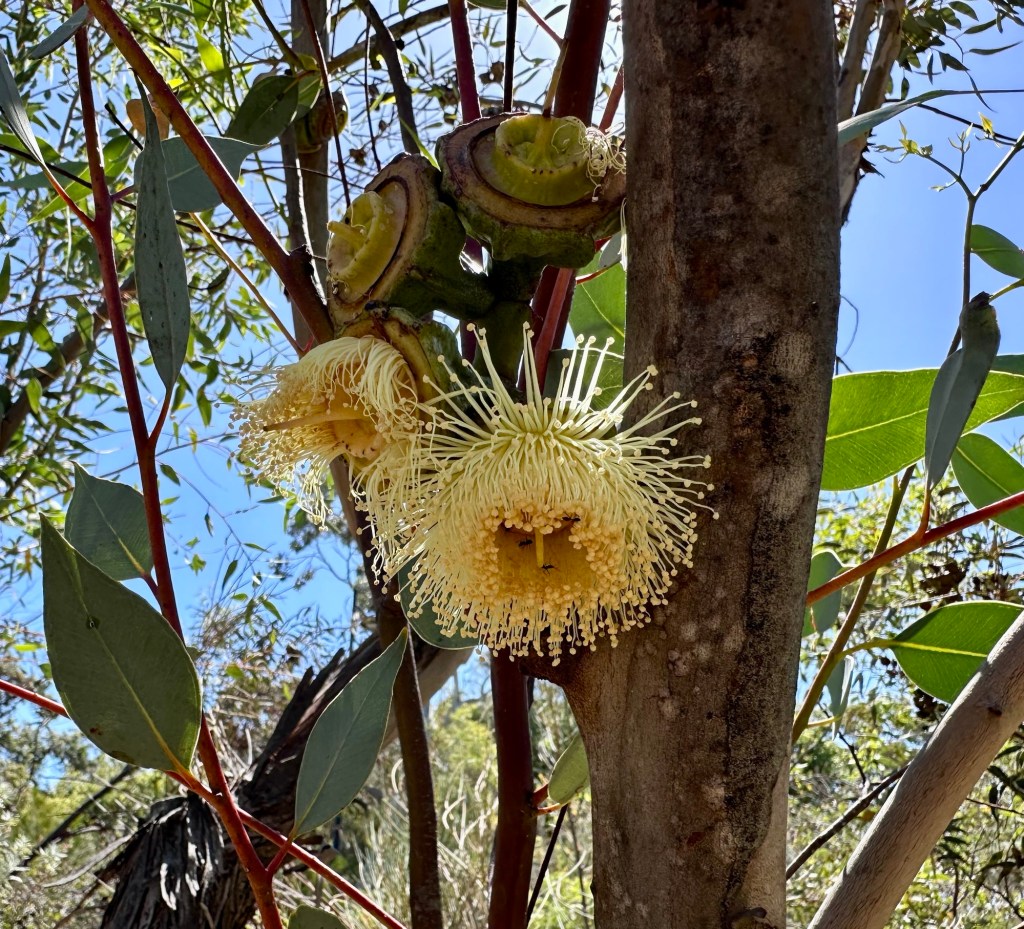
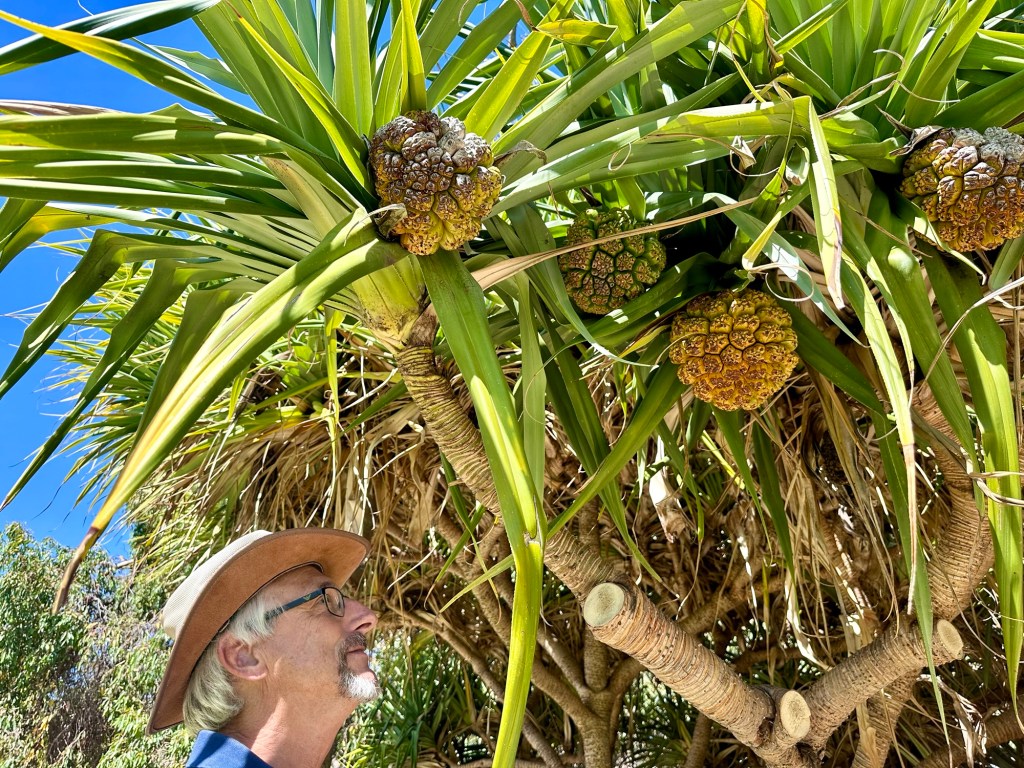
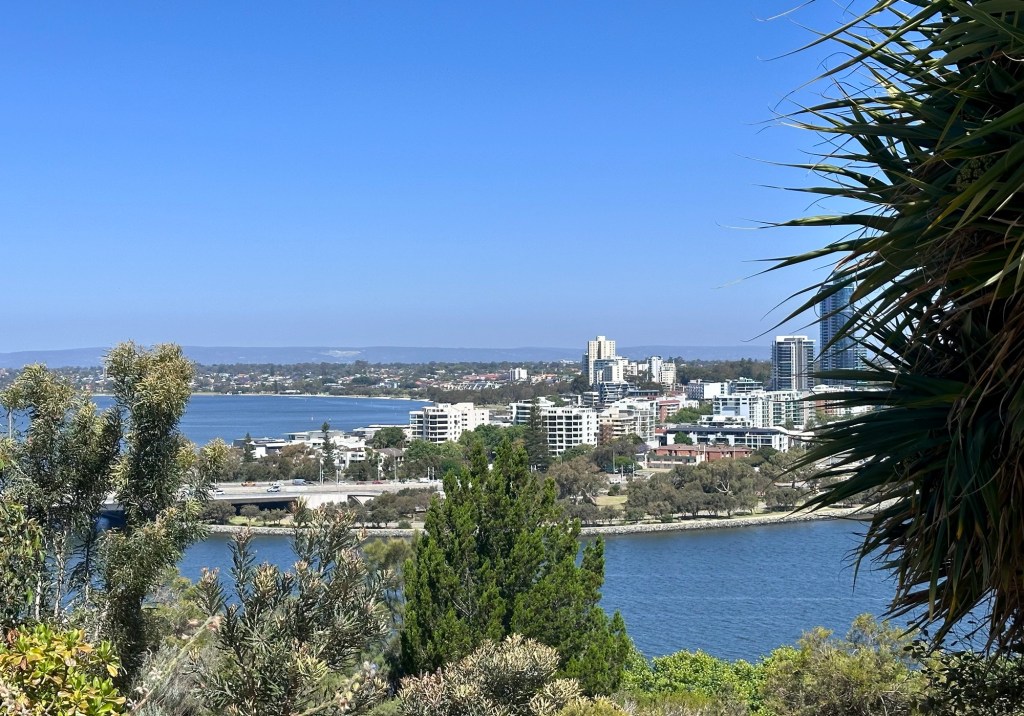
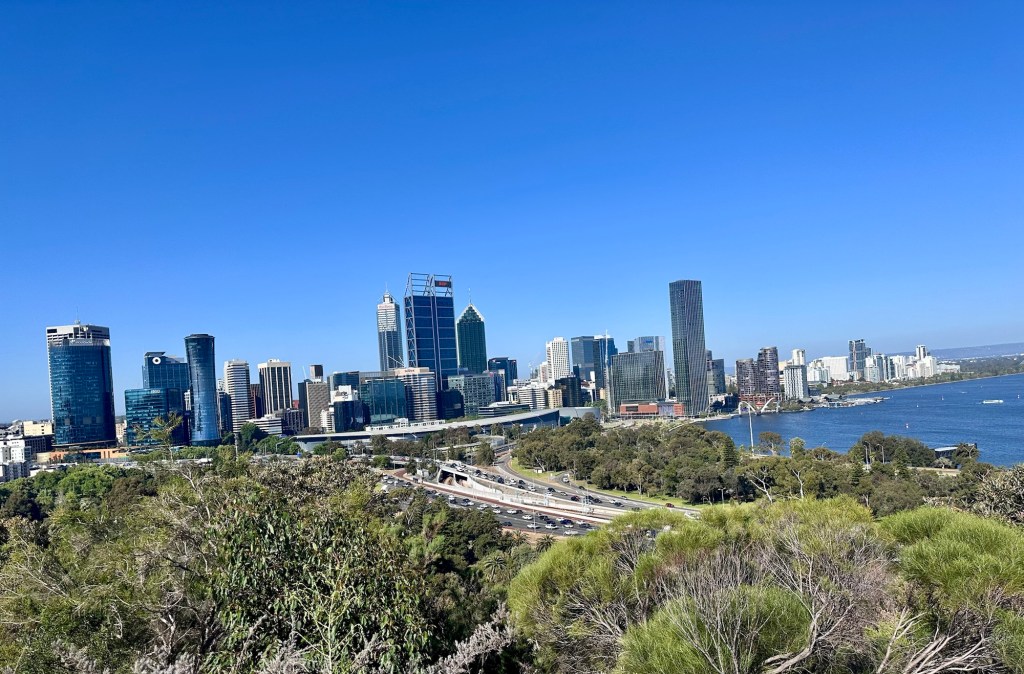
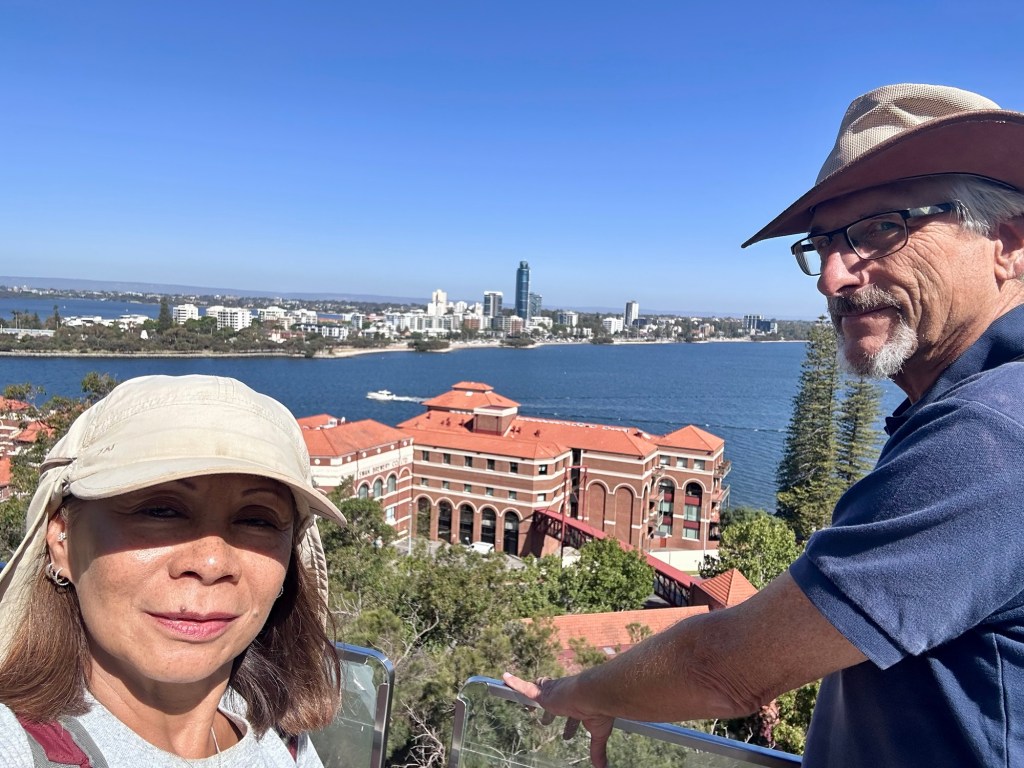
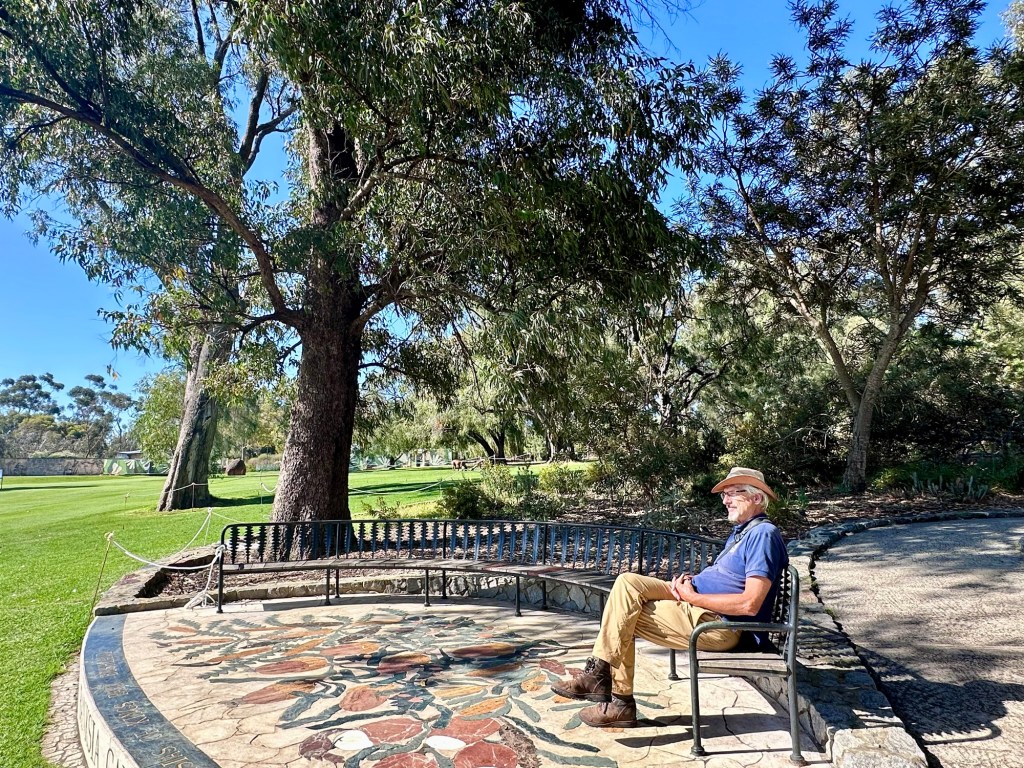
We stayed 3 days in Perth with Carel and Bernadette. With Stuart’s car we were able to visit some sights. The first was the beachfront close to Carels house “Scarborough Beach”. Apparently the area has very much improved over the last few years. There is a large hotel and the beach is clean with a nice walking area alongside. A high hill (sand dune) is covered with grass and used by many couples to sit on and watch the sunset. Nearby is a parking area and public toilets. All clean. The next day we drove to the other side of town in the small Honda. It took some time to get use to the heavy traffic on the way down. After a while you get use to it. We visited Cecilia and Richard. Cecilia is an old classmate of Jamaliah who now resides in Perth. We have now visited almost all her former classmates in diaspore ie Canada and Australia. The following day we went to Kings Park. This is a botanical garden on the shores of the Swan river. Many of the different Australian trees and bushes are re-planted here. A guide explained the wonders of these plants to us. Clearly Australia has been a large island for millions of year without any external influence. The plants and animals had time to adjust and optimise to their surroundings. On other continents the ice ages and volcanic eruptions disturbed this process.
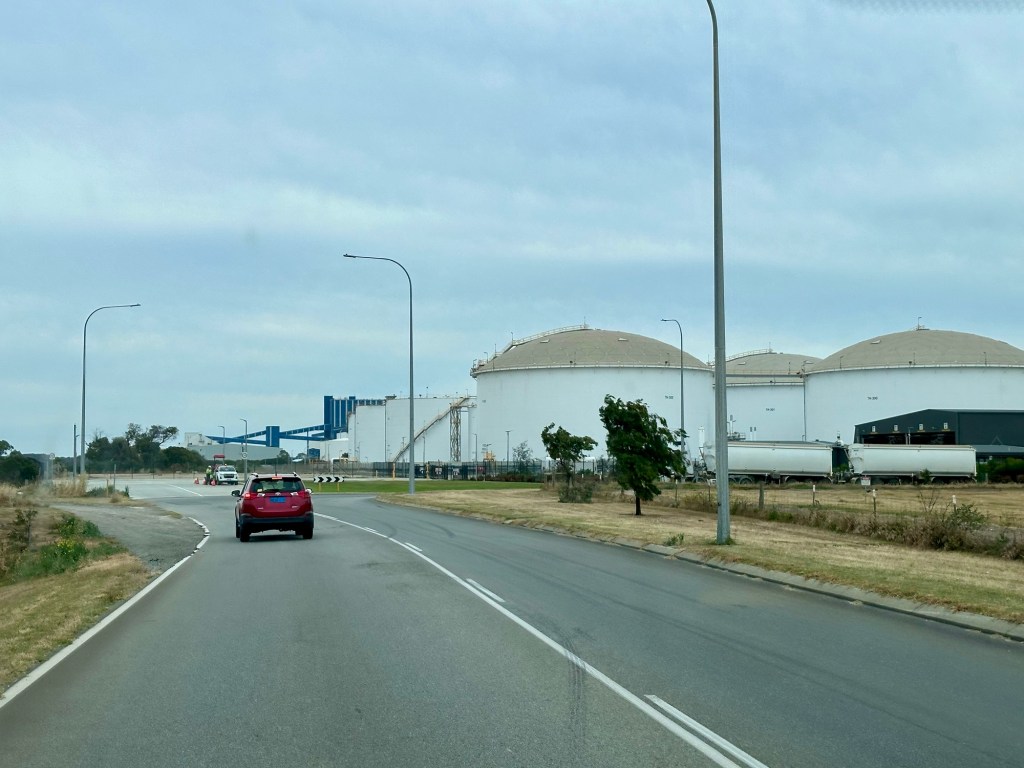
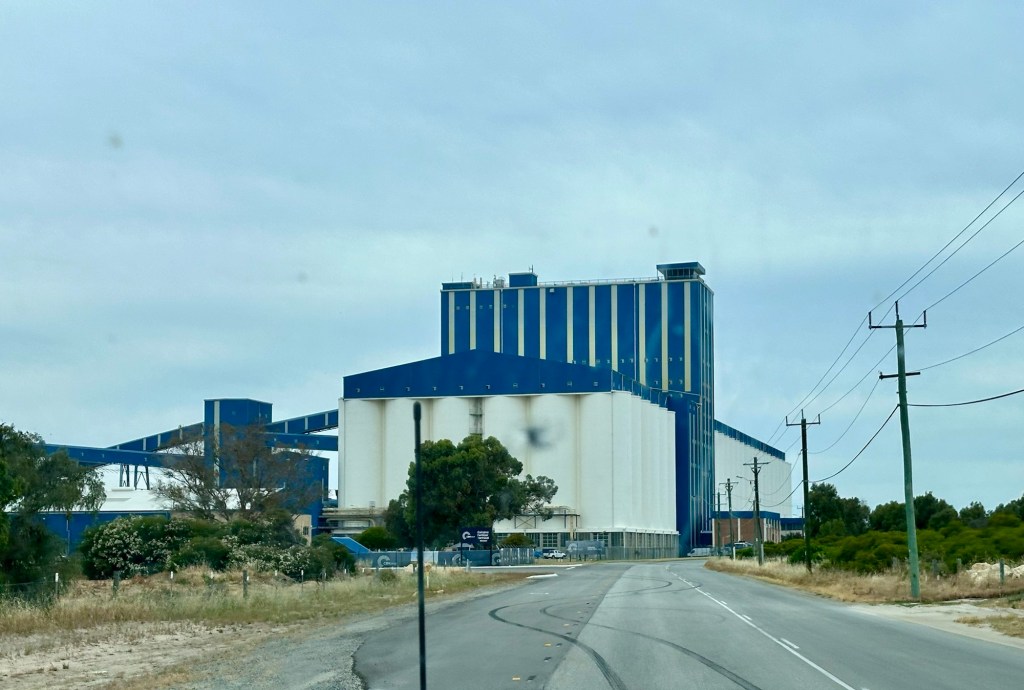
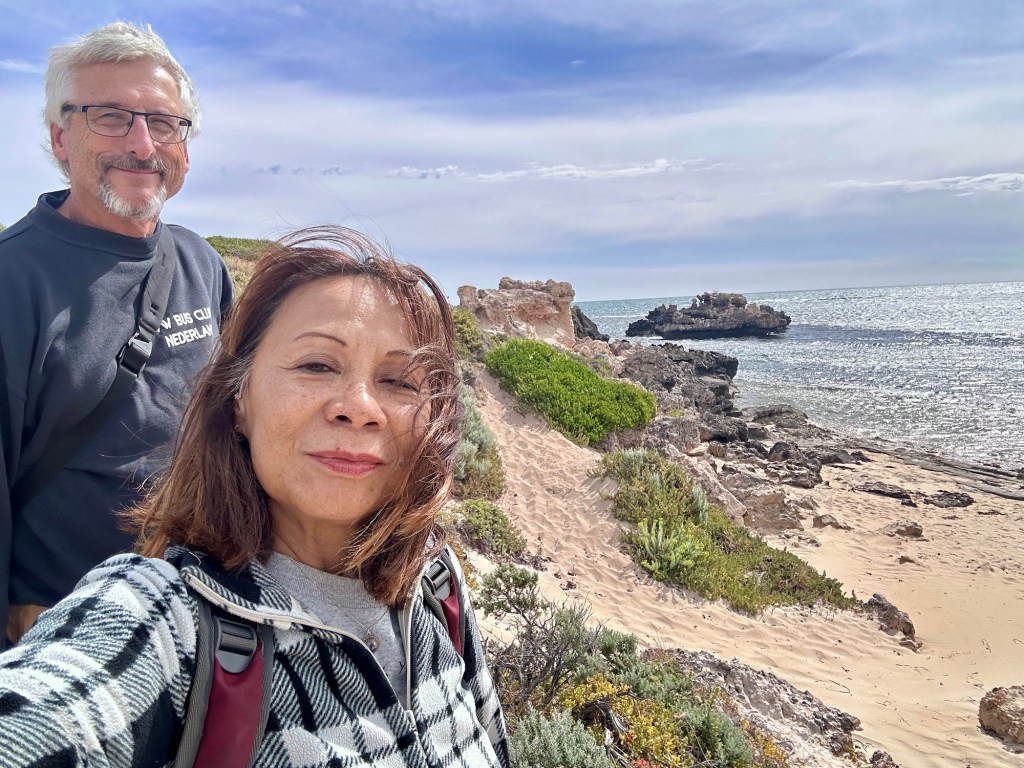
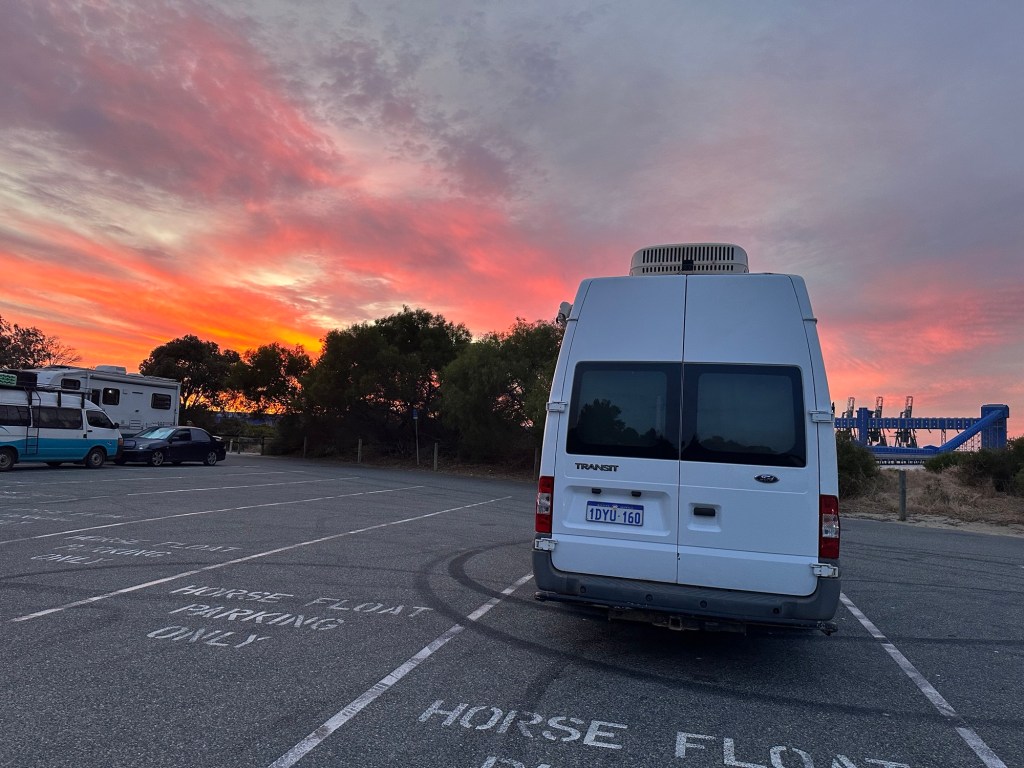
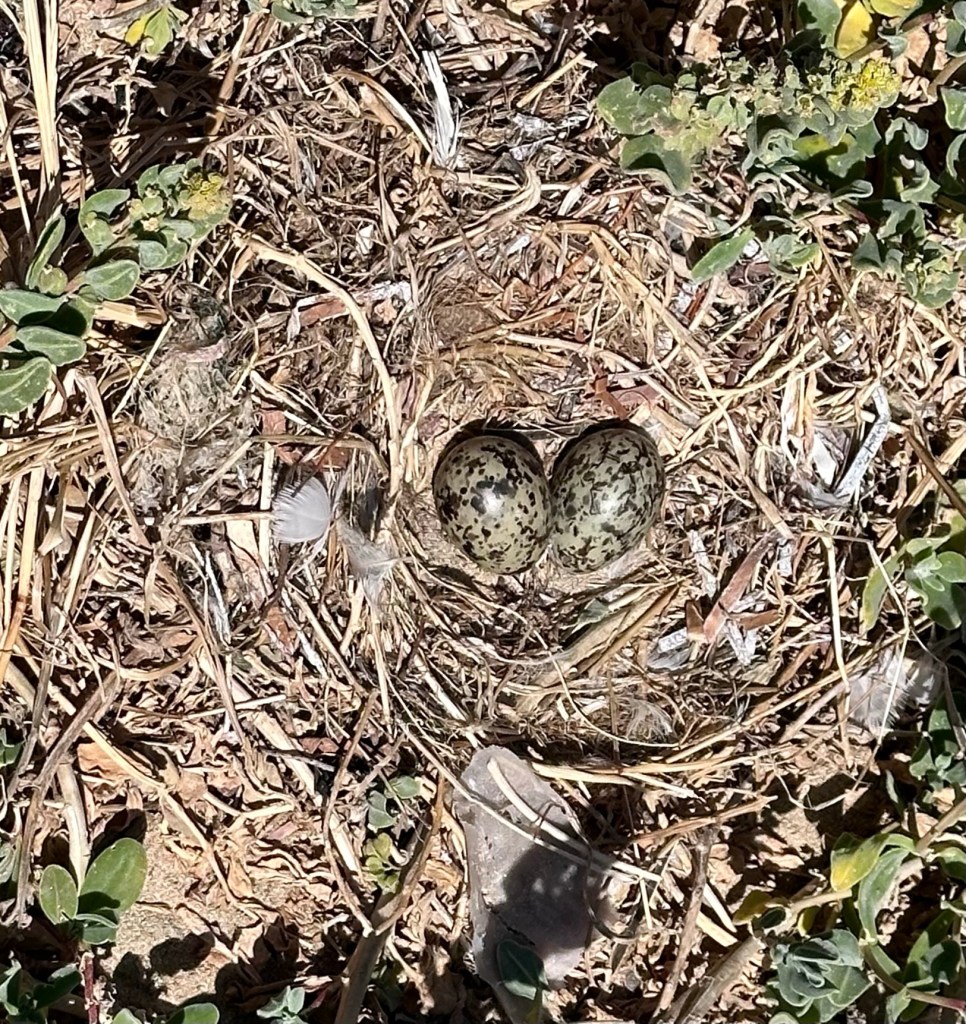
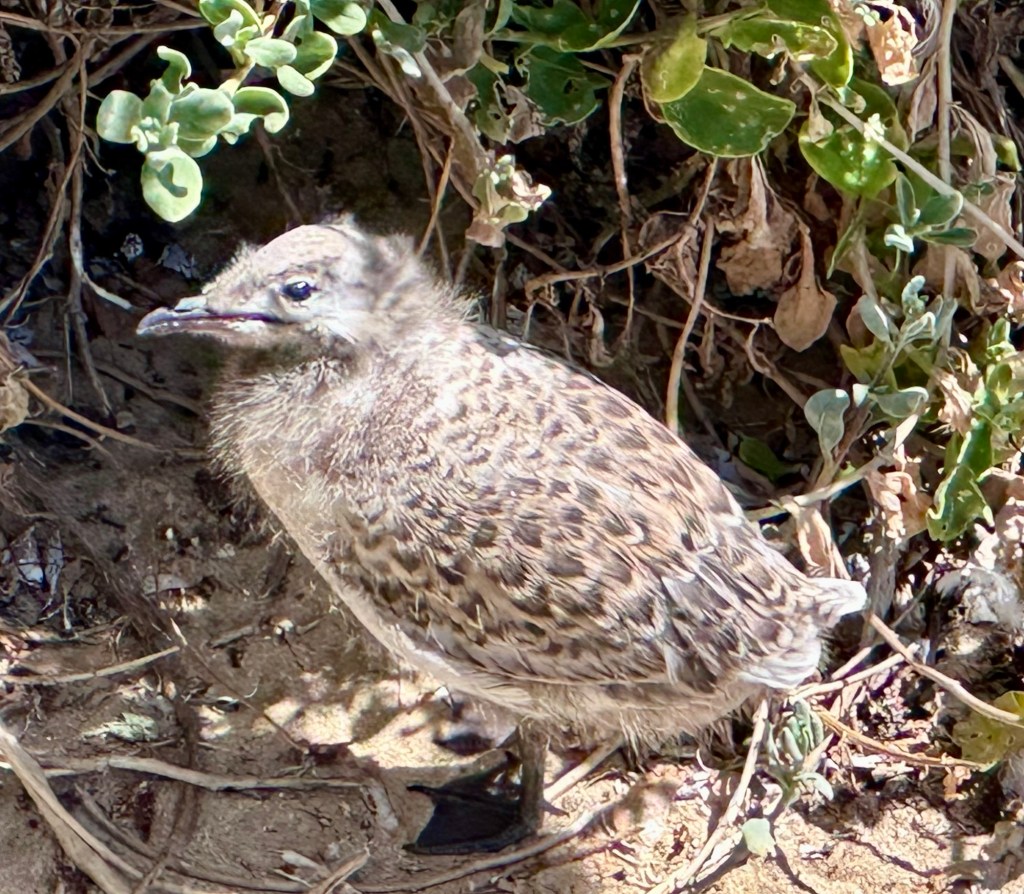
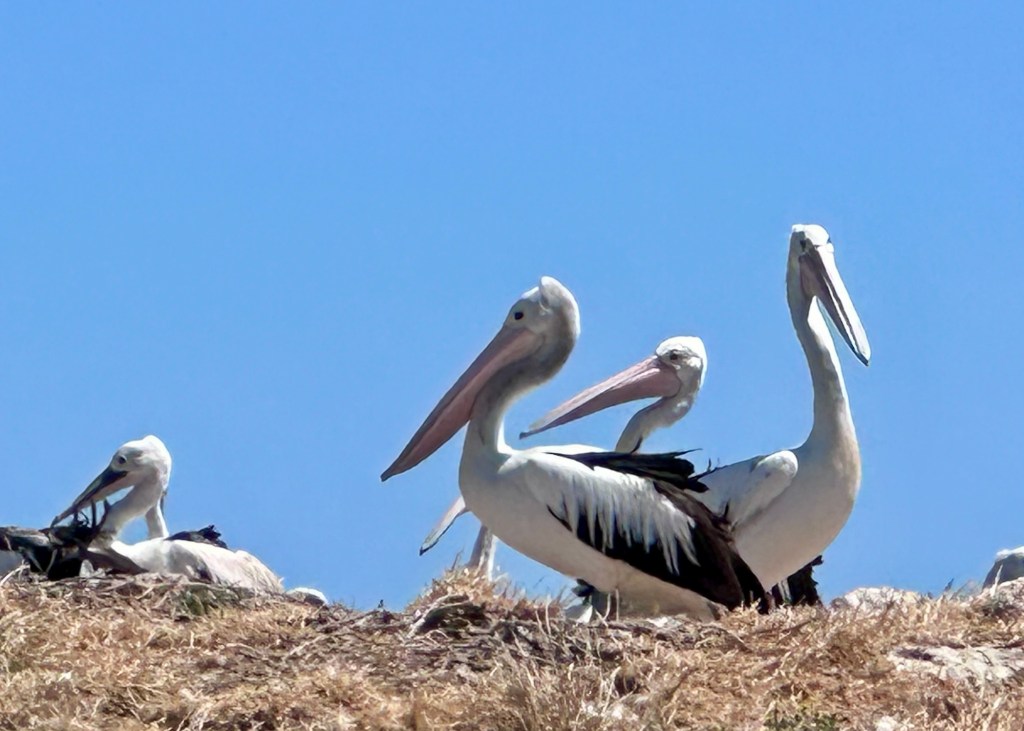
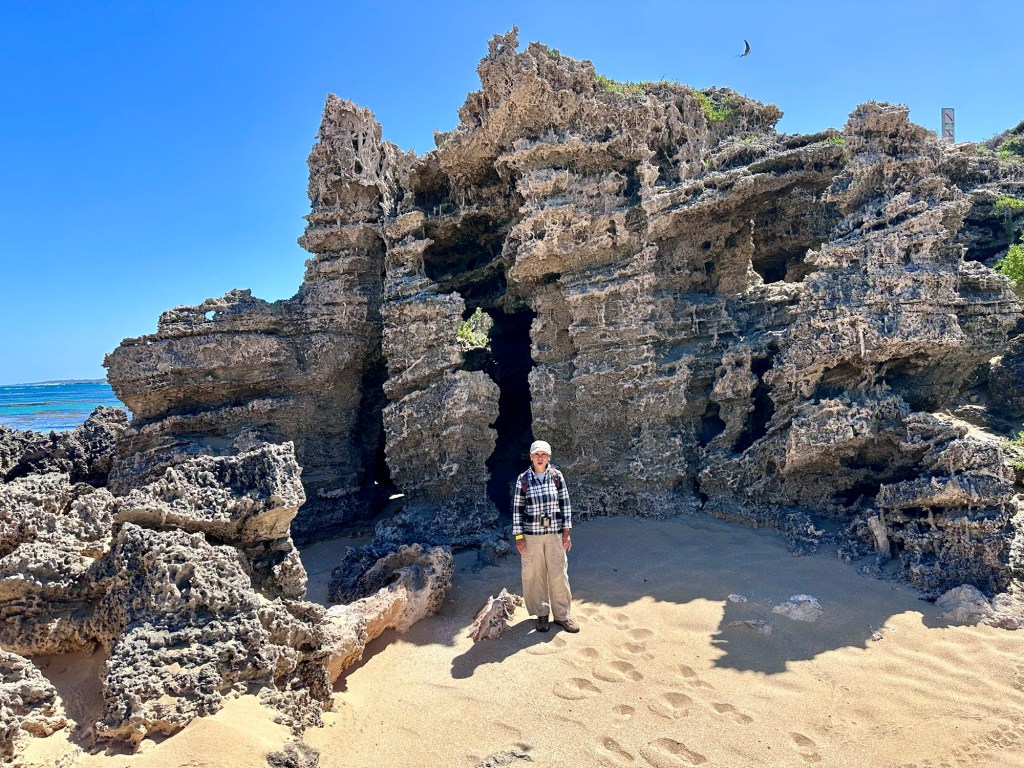
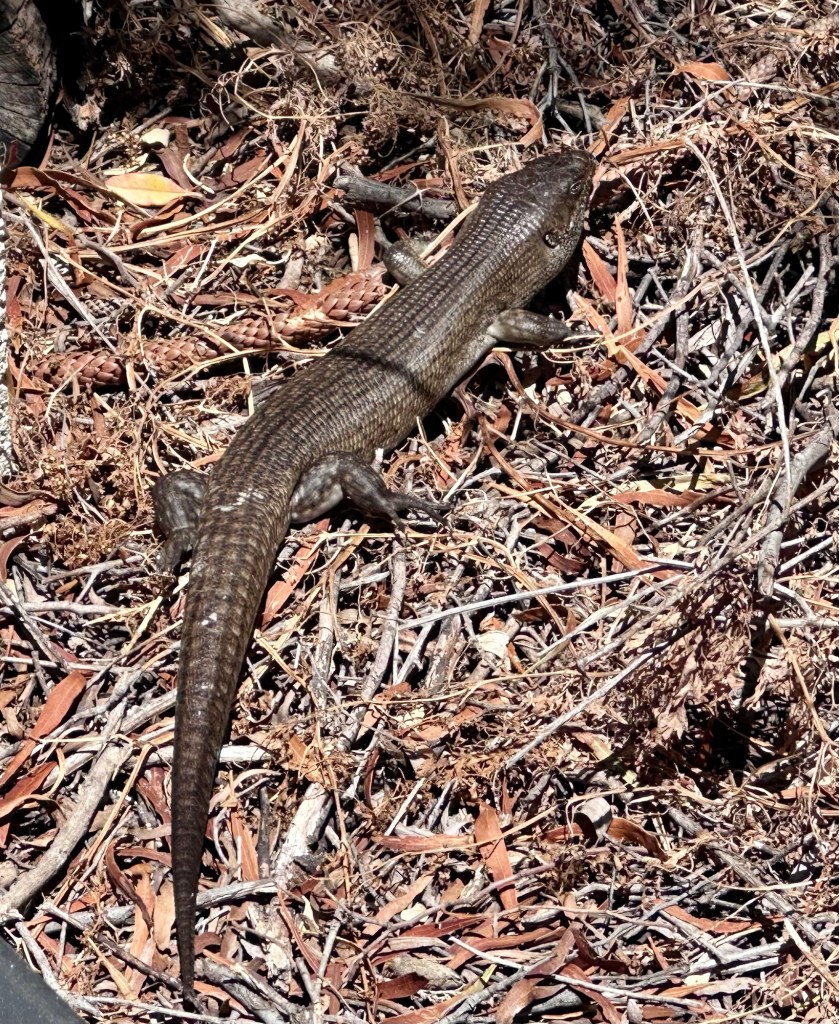
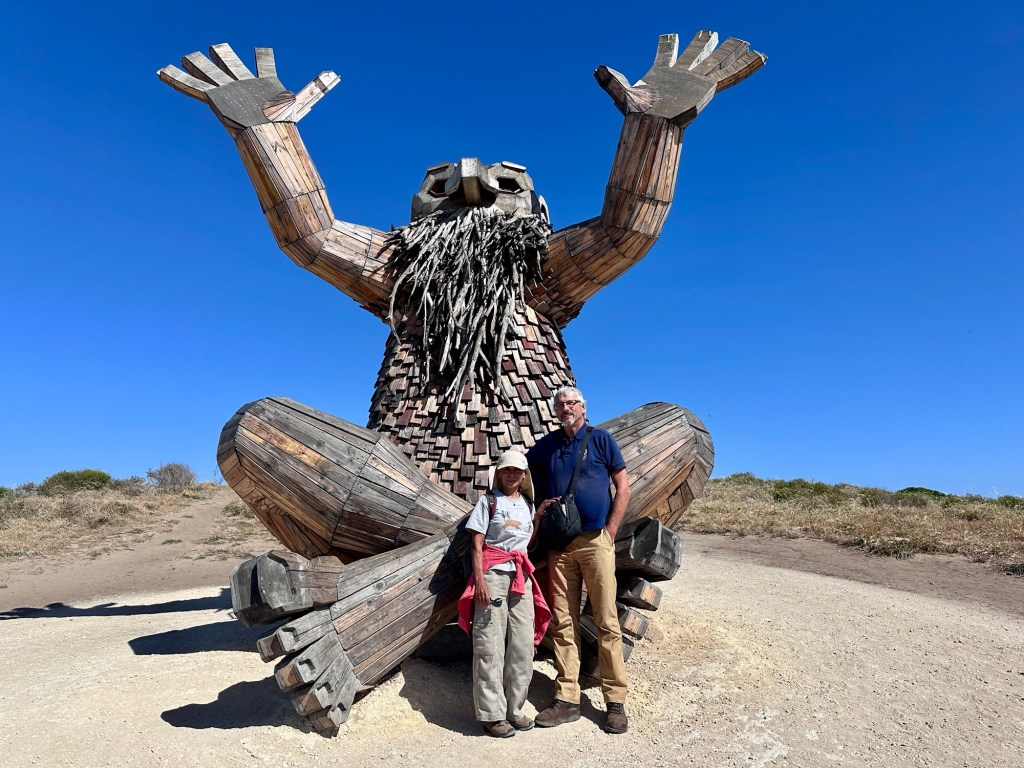
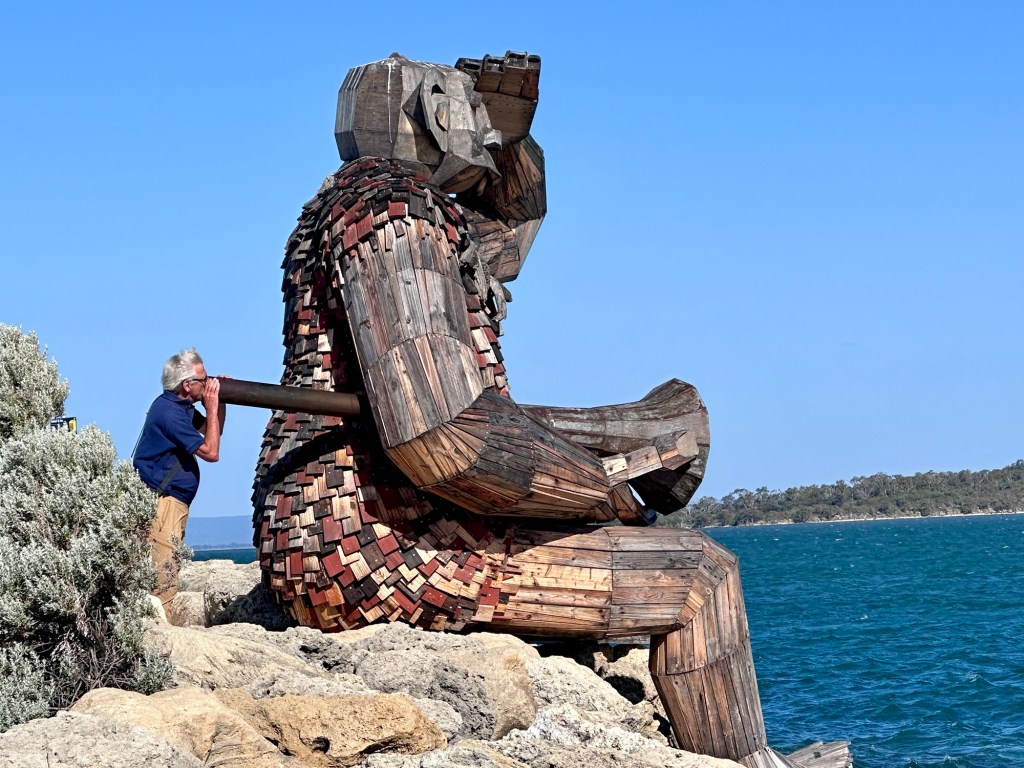
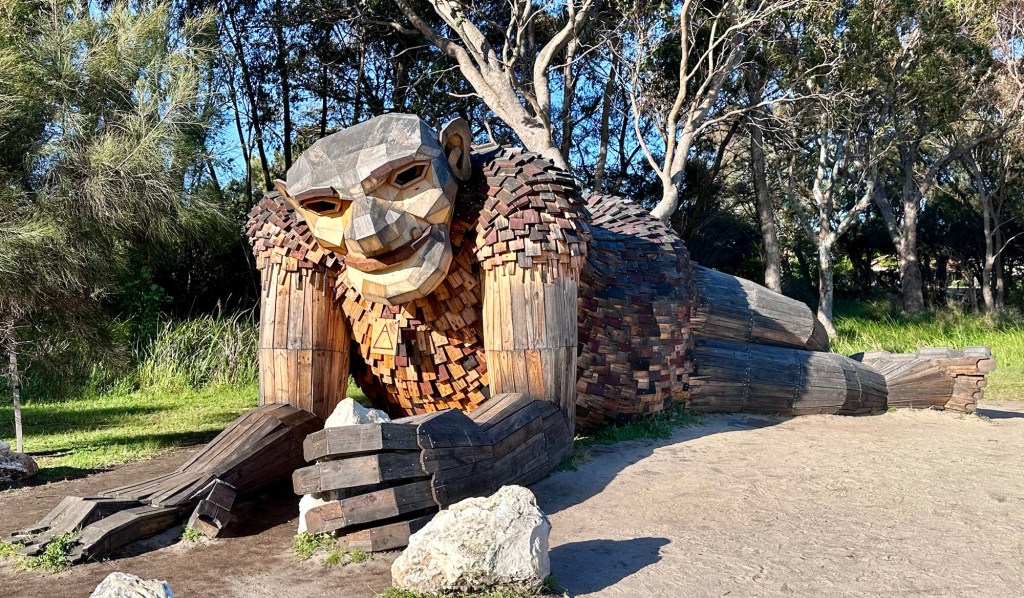
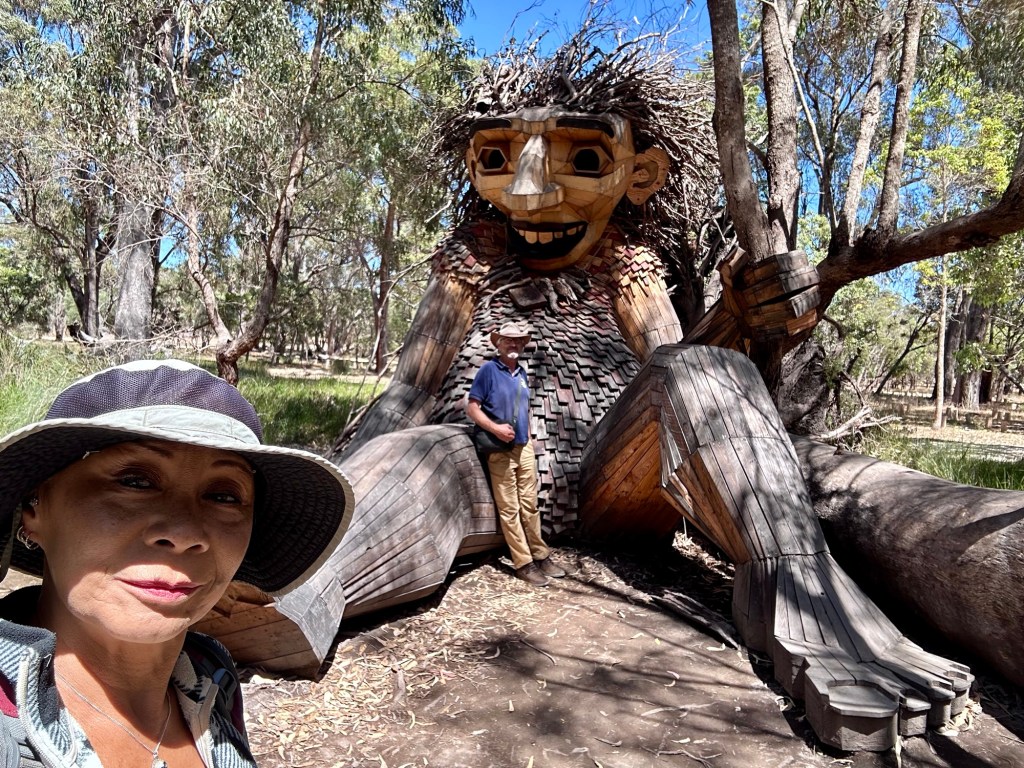
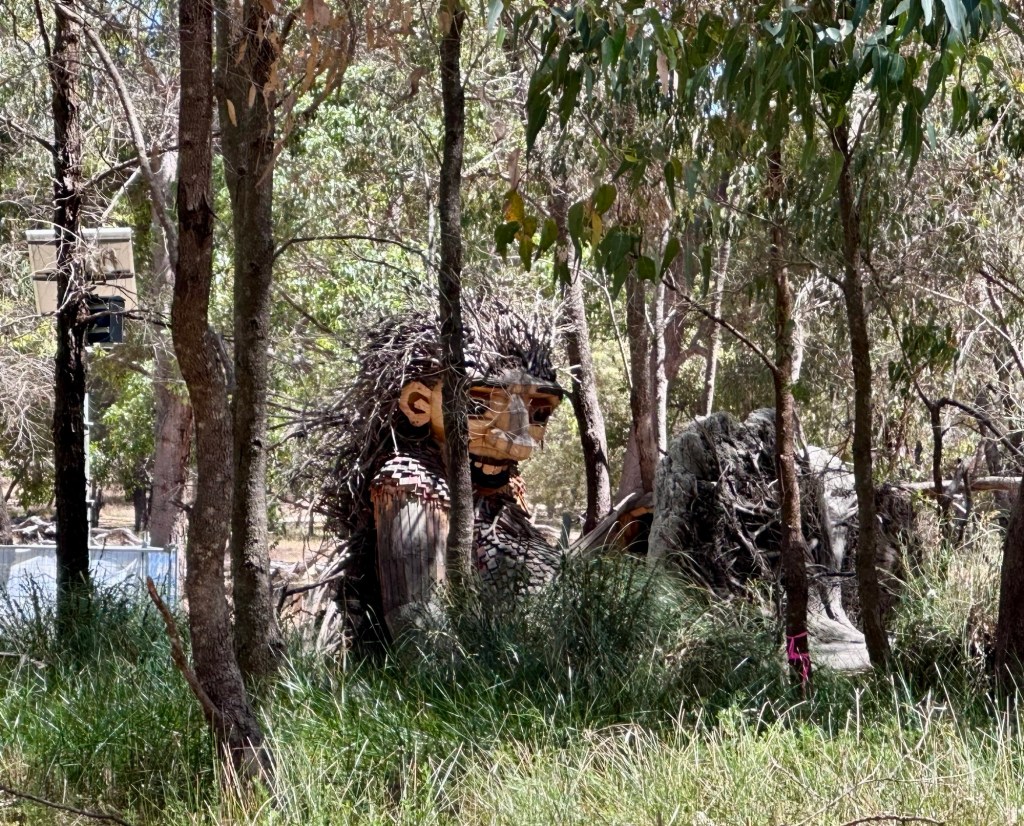
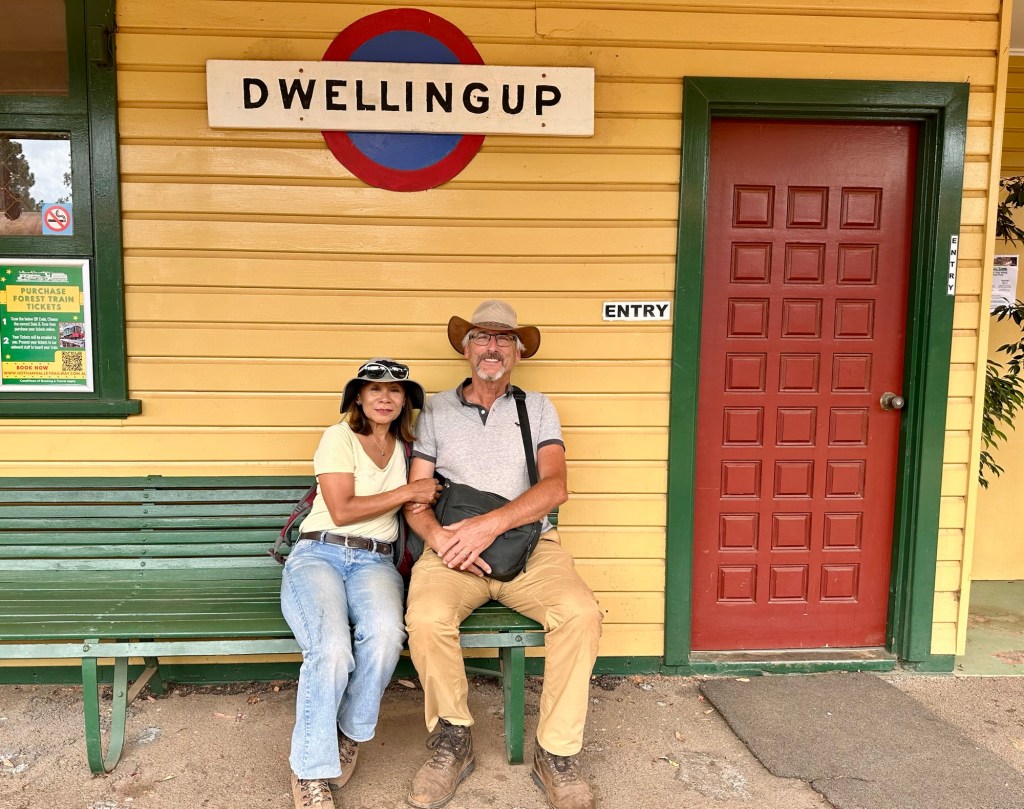
Once the camper was fixed and serviced, we drove as much as possible down along the coast. Not always easy because there are so many roads going south and the coastline at Fremantle (just below Perth) is occupied by all types of export/import industry (a.o. Oil, Grain, Aluminium). Some 100 km south we camped at a parking lot at East Rockingham, next to the beach and large grain silo’s in-between the dunes. It was late in the afternoon and there are not many campings in the area. The next morning we were in time to take the small boat to Penguin Island where you “sometimes” can spot small penguins. Unfortunately they leave early in the morning and come back in the evening. So outside the breeding season, you will not see them. Still it was a pleasant walk around the island with on one side a sandy beach and on the other side wind and ocean swept limestone. There is a large colony of pelicans and we also managed to spot a big lizard. We drove a bit further South along the coast to Mandurah where we catched up with Chris and Ria. They are friends out Assen who also happened to be touring South West Australia in a camper. We are both following each others adventures on Polarsteps. They are at the end of their trip, so their itinerary will function as a guideline for us. Moreover they were traveling with local friends so we get some local input this way. After lunch we went hunting for the 5 trolls (giants) which a Danish artist (Thomas Dambo) has spread out along the coast and forest of Mandurah. We found 3 today and the last 2 the following day. These 3 m high trolls are made out of recycled wood and tell an aboriginal story. There is one more. He is on a walkabout and can be found in Perth. To find a campsite we drove inland to Pinjarra where there is a free camping site next to the closed railway station.
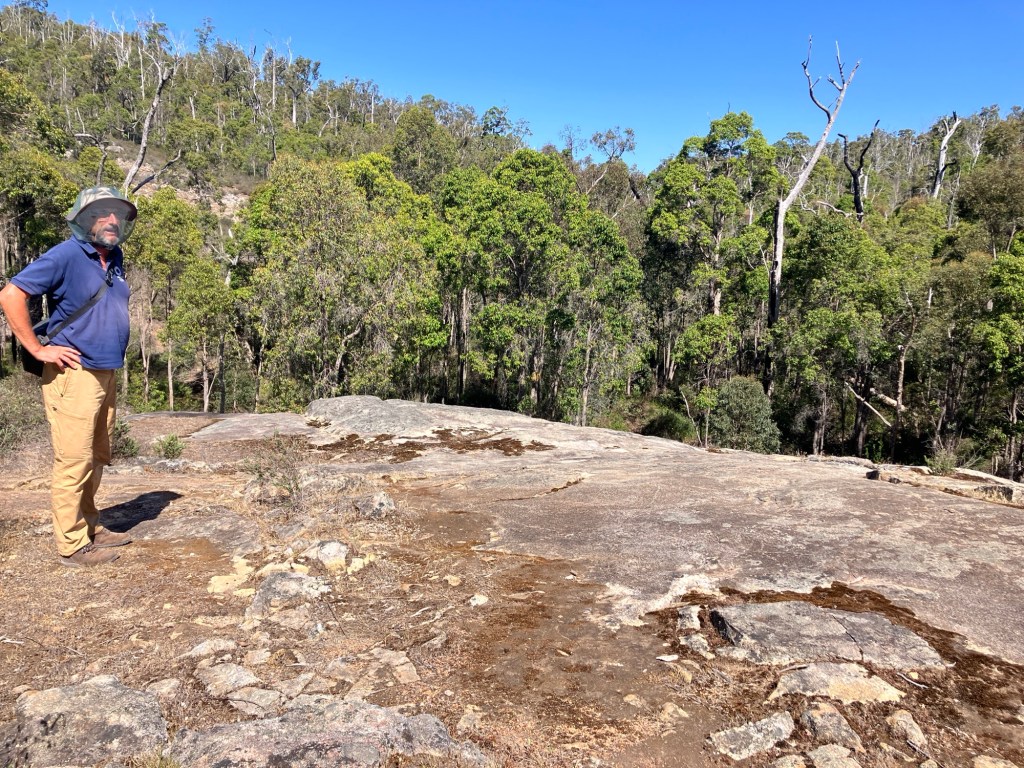
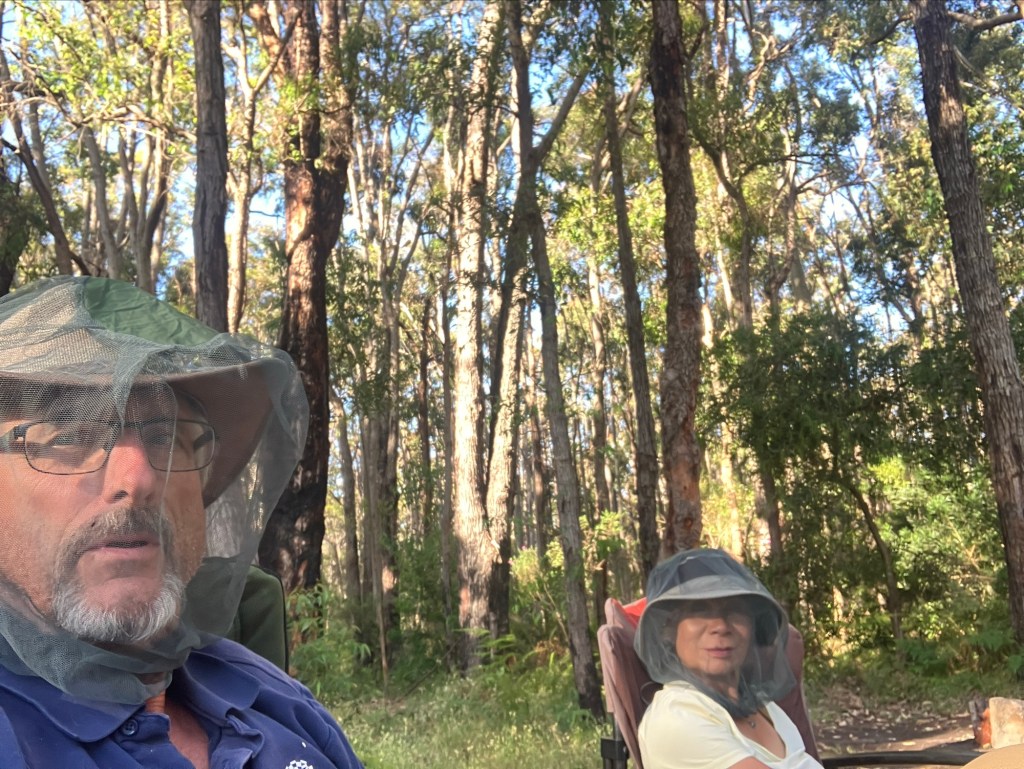
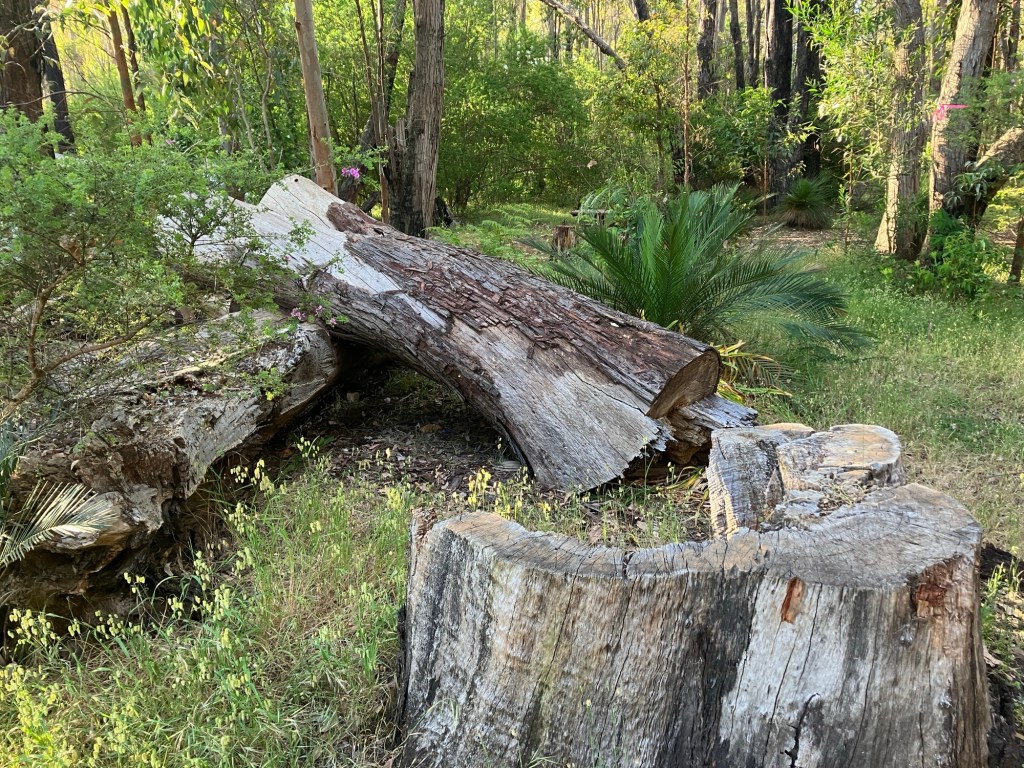
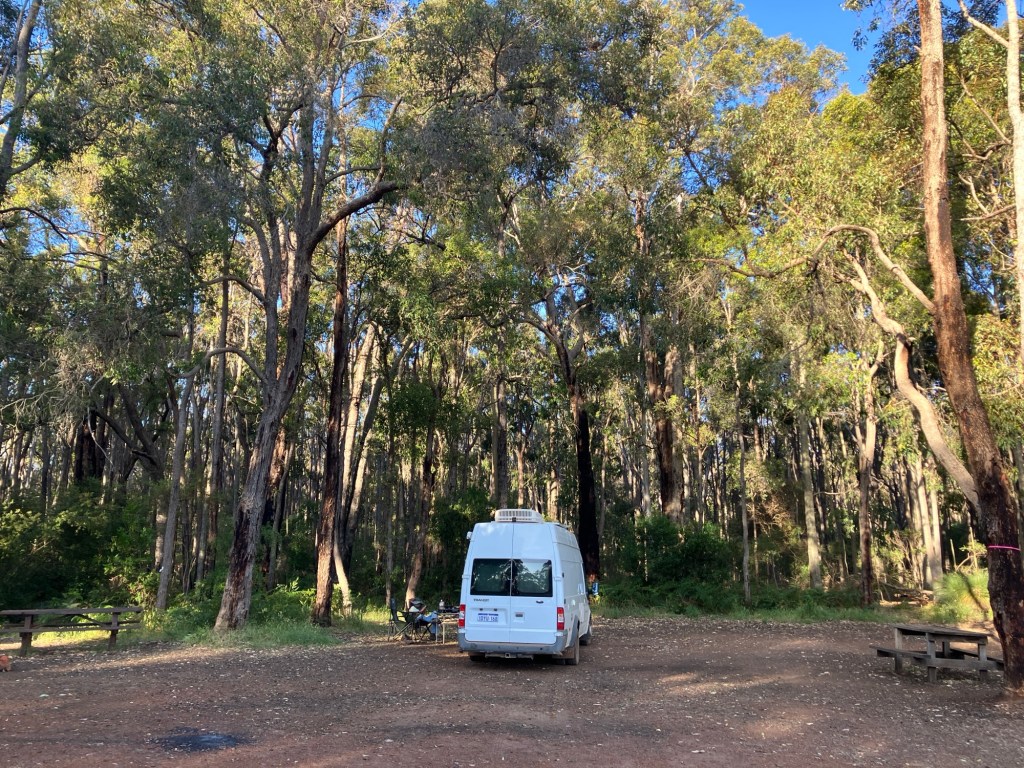
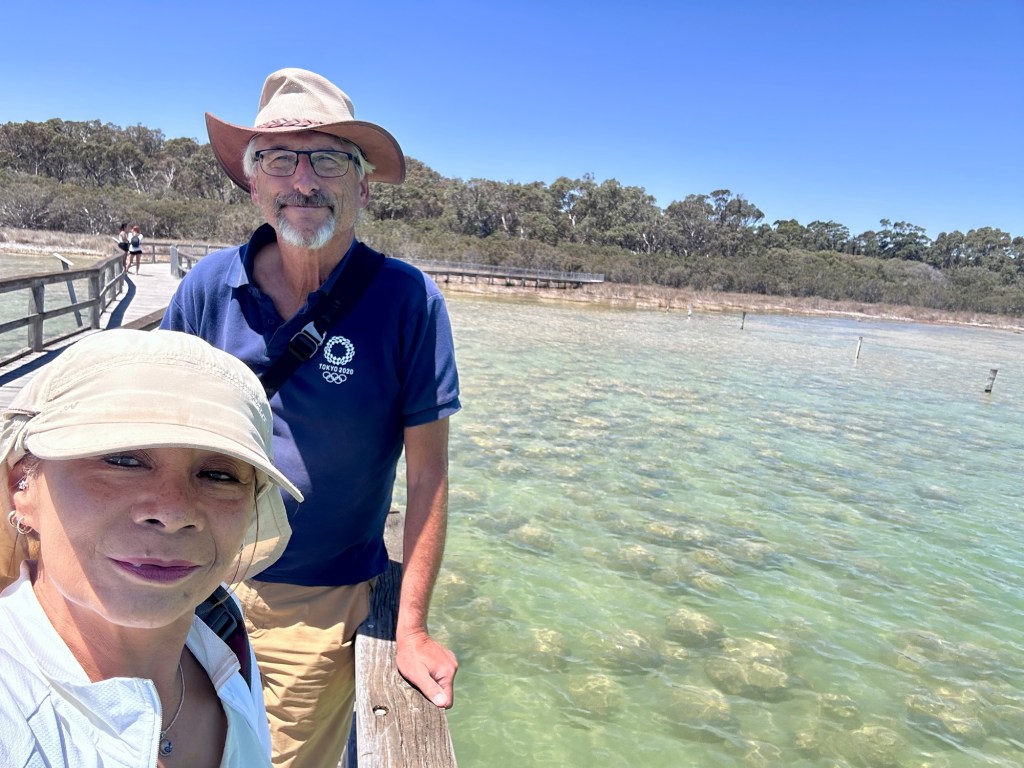
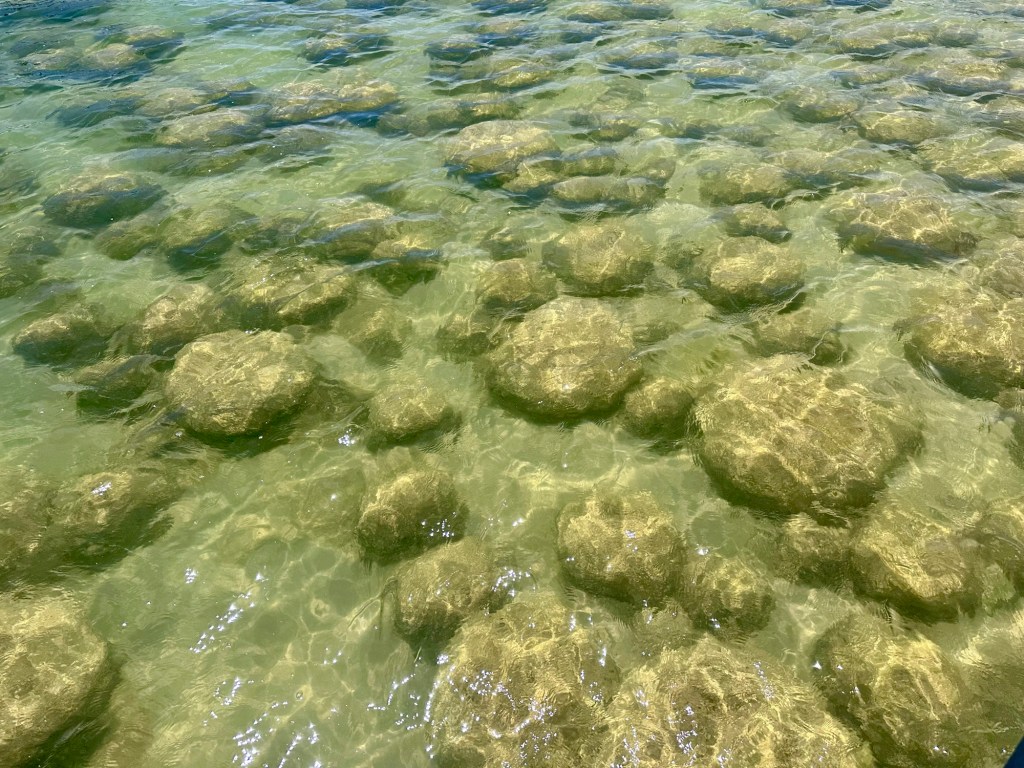
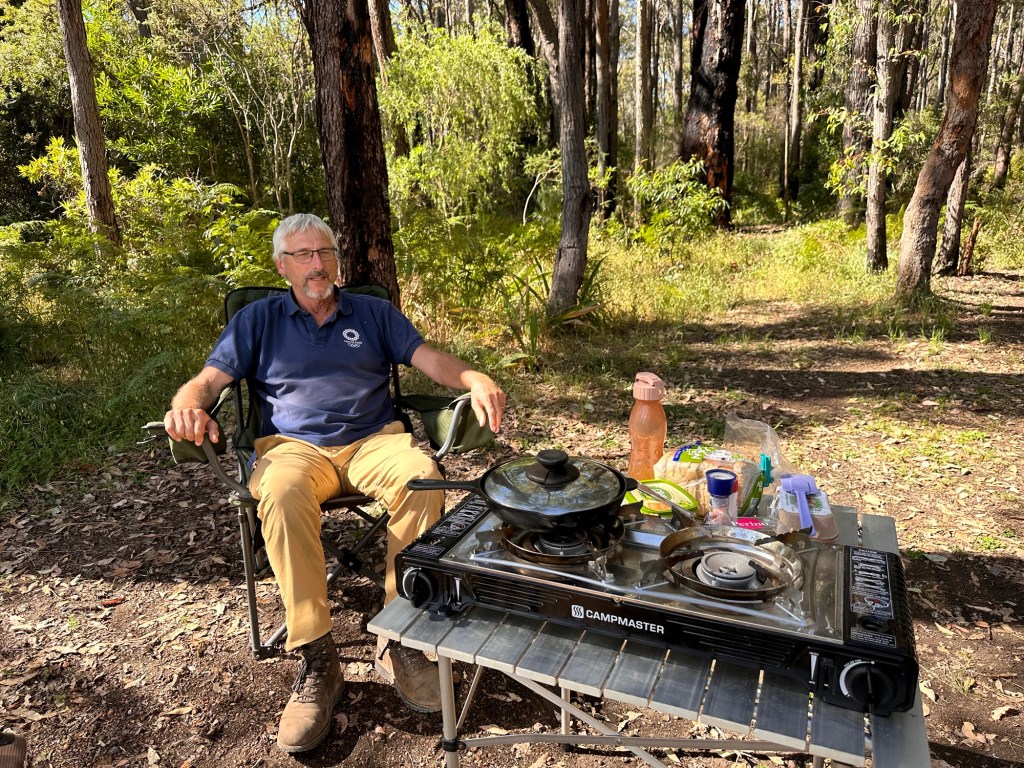
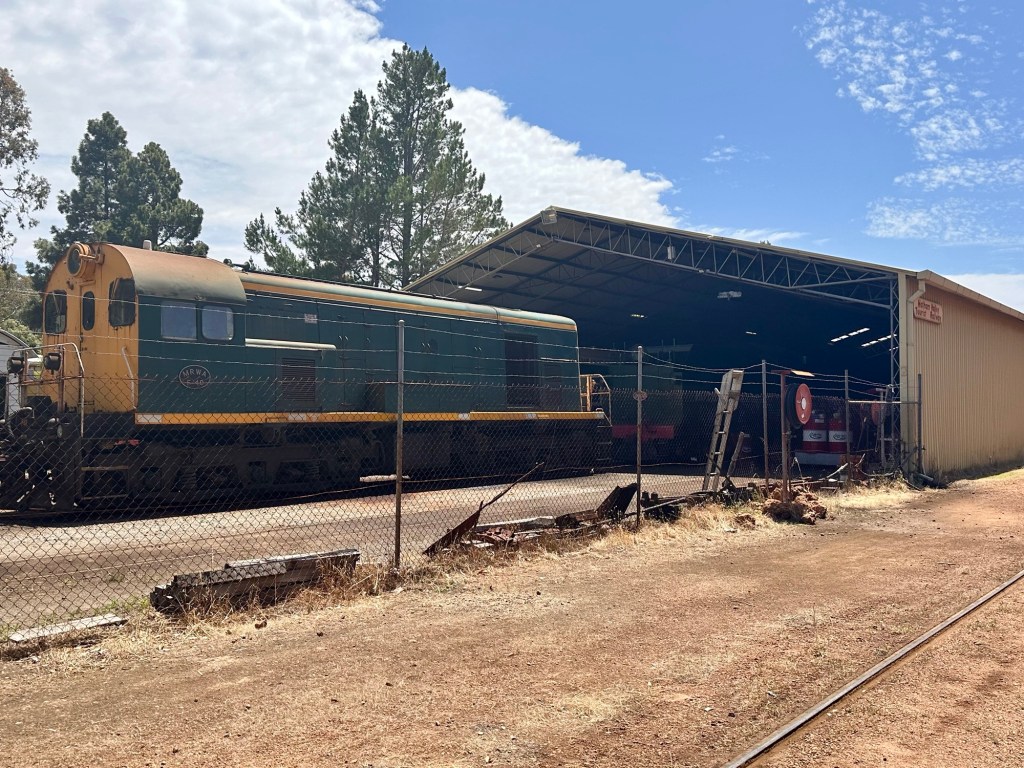
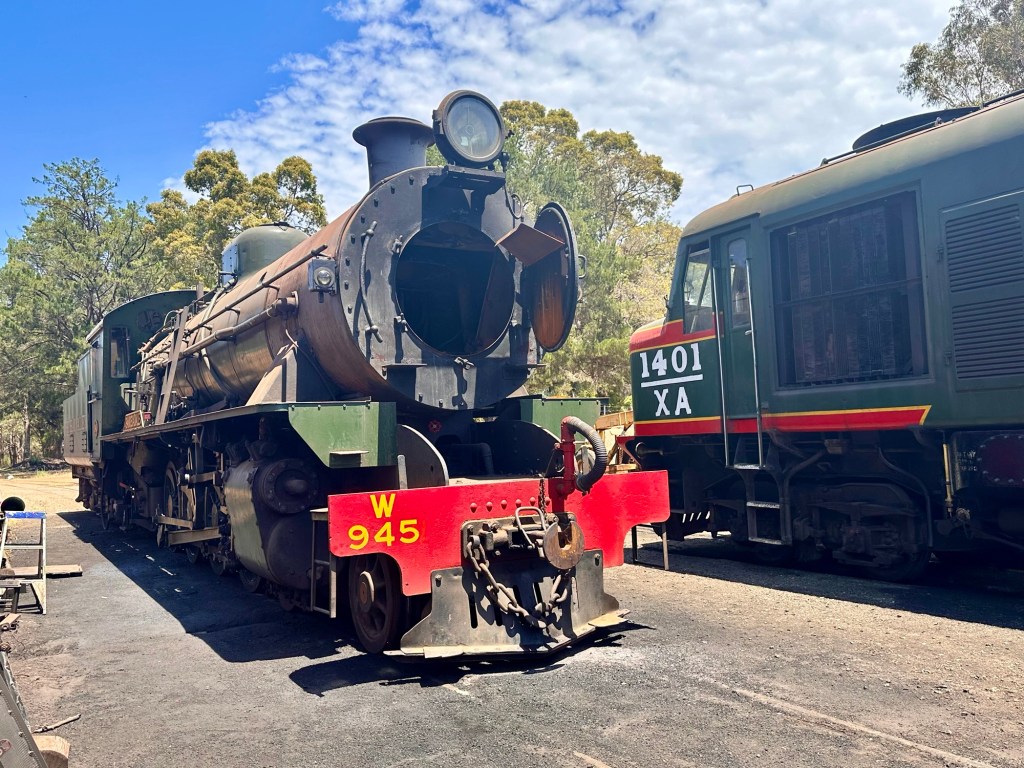
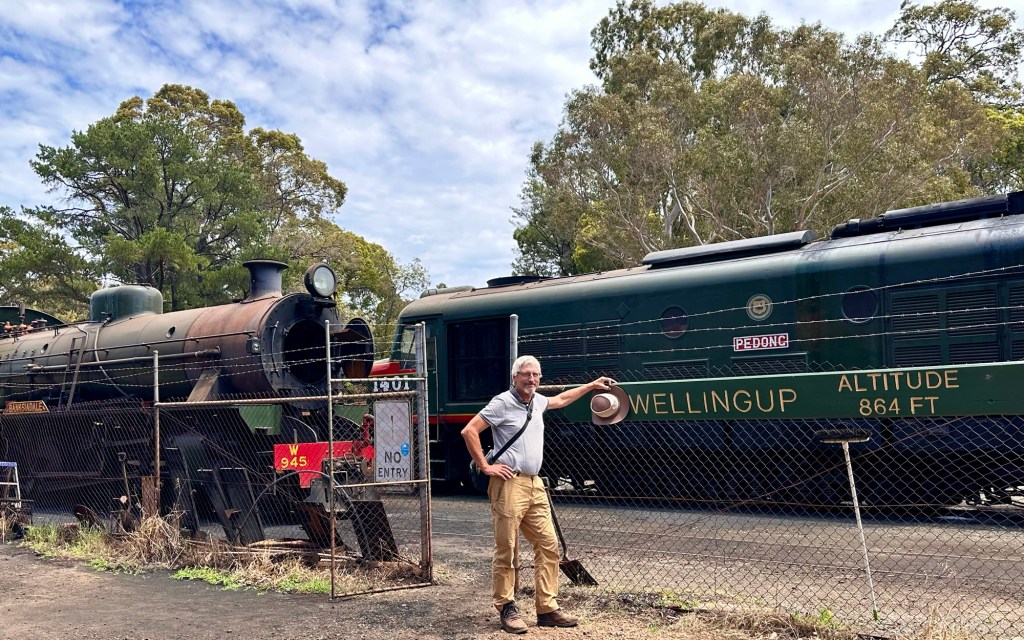
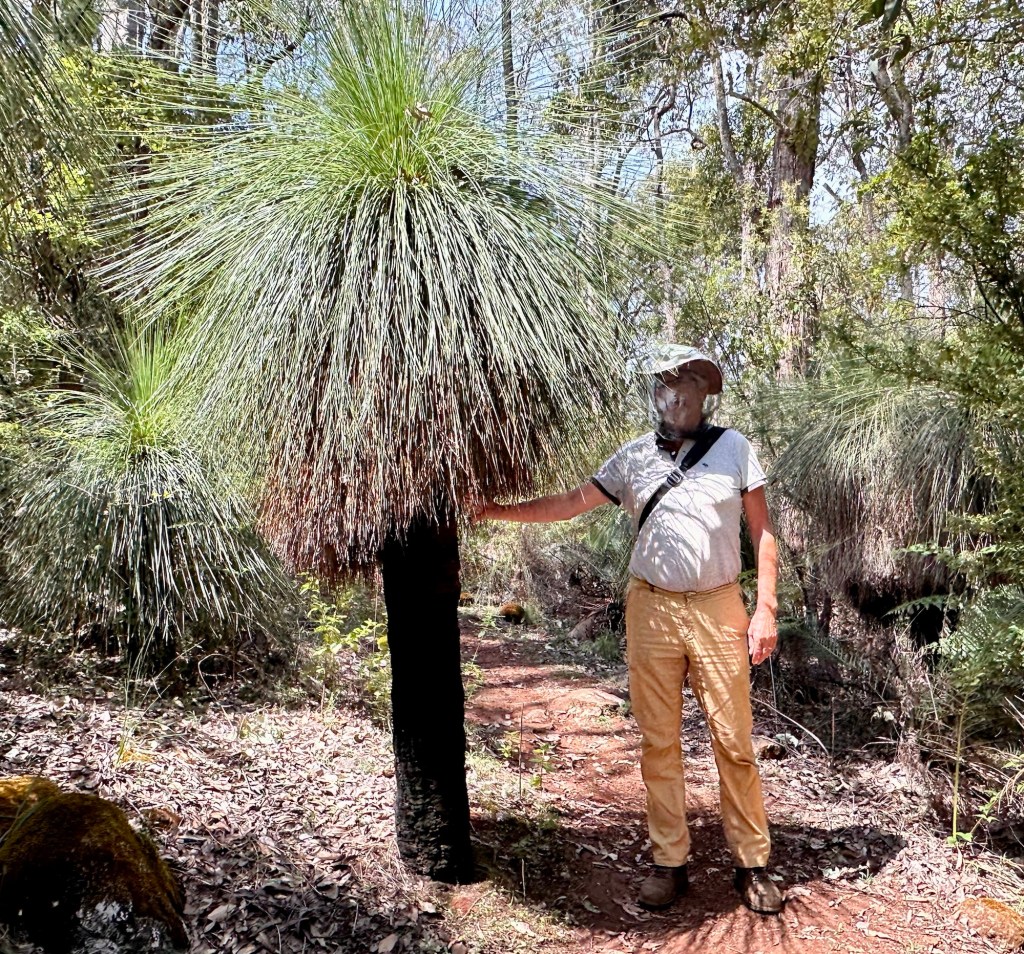
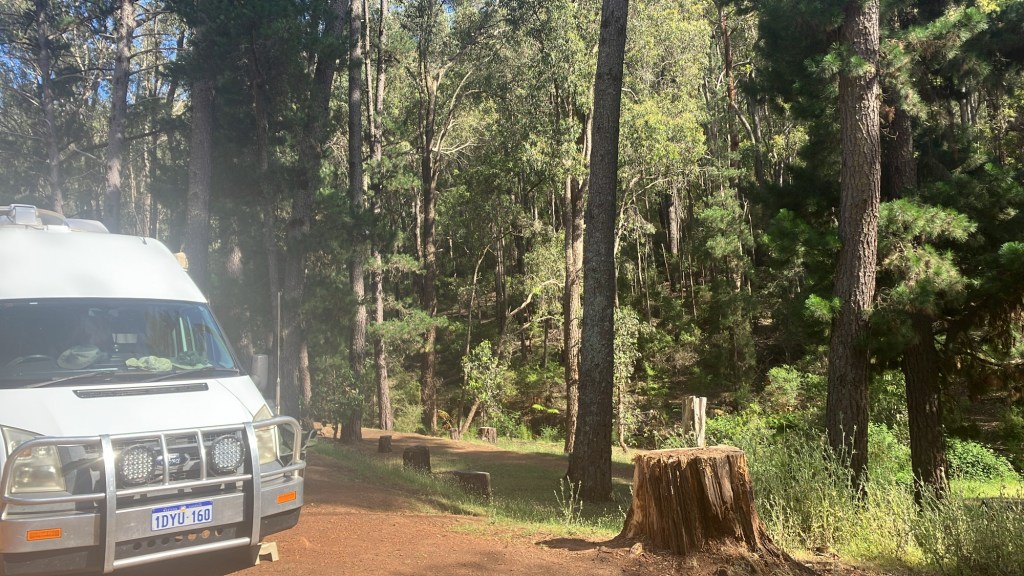
One of the Trolls (at a secret location which only could be found by solving a puzzle) is next to Lake Clifton. This is a shallow water lake feed by groundwater and rain. Along the shore you can find Thromoliets. This is one of the oldest life forms which converts CO2 to O2 and limestone. It actually made the world atmosphere suitable for animal life forms. We have seen similar Stromolites far North at Shark Bay. The Thromoliets here are much more visable in the lake. From Lake Clifton we drove back up the hills to Dwellingup. This used to be logging country with many well graded forest tracks. Jamaliah had spotted a waterfall on the map. We turned off on a well graded road and drove through a fantastic forest for some time. At the signpost we parked the camper and walked down though the forest to the valley but the waterfall had dried up. On the way back to the main road we found a large open area which is used for group camping. There were some other campers so we decided to also stay there overnight.
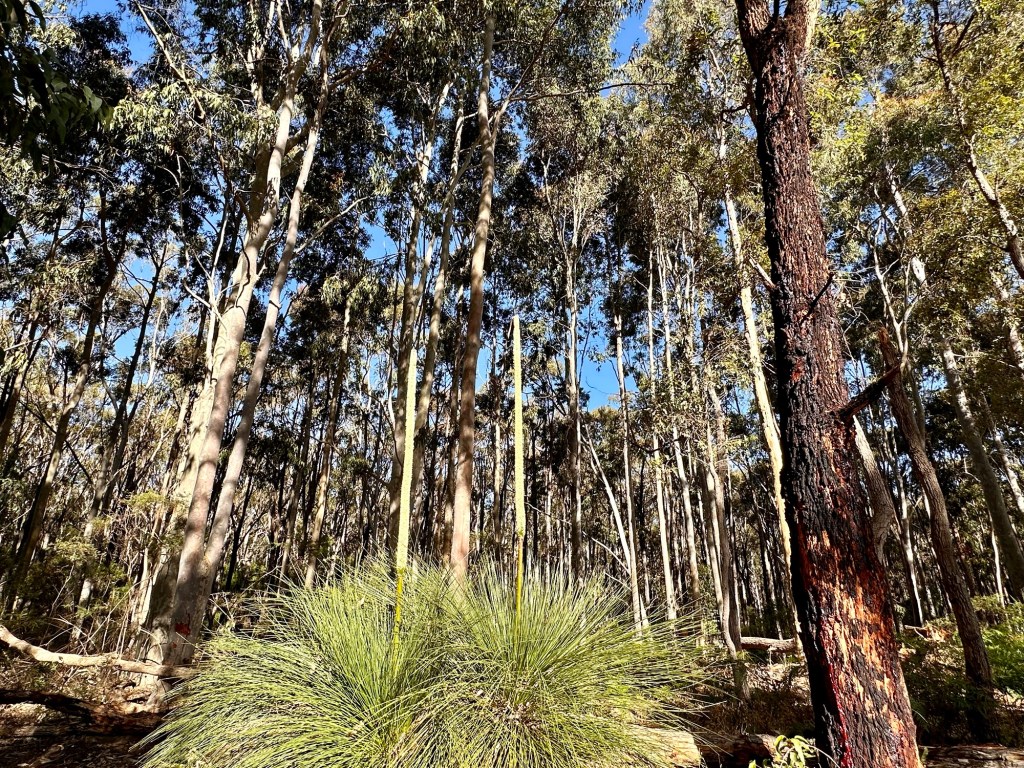
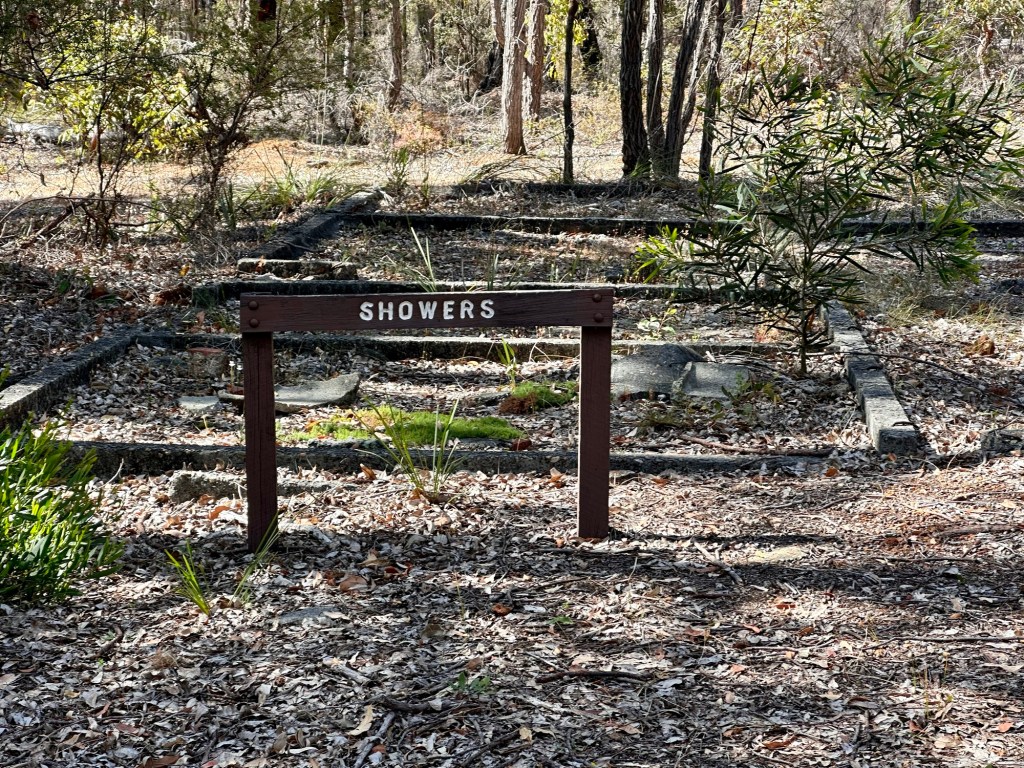
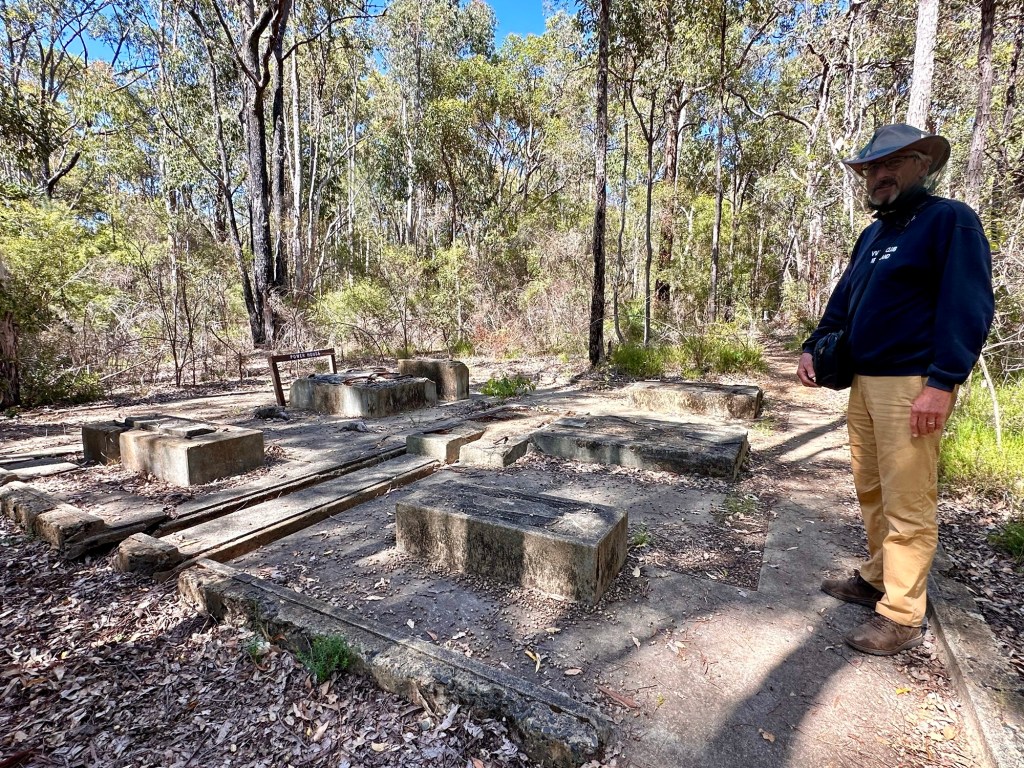
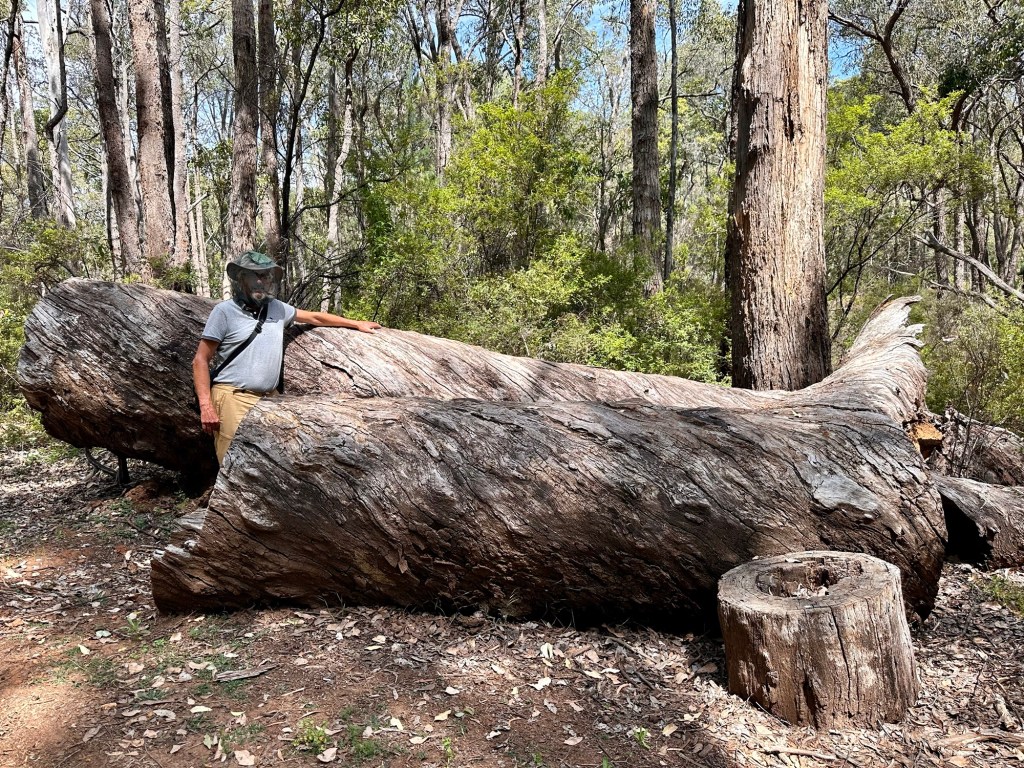
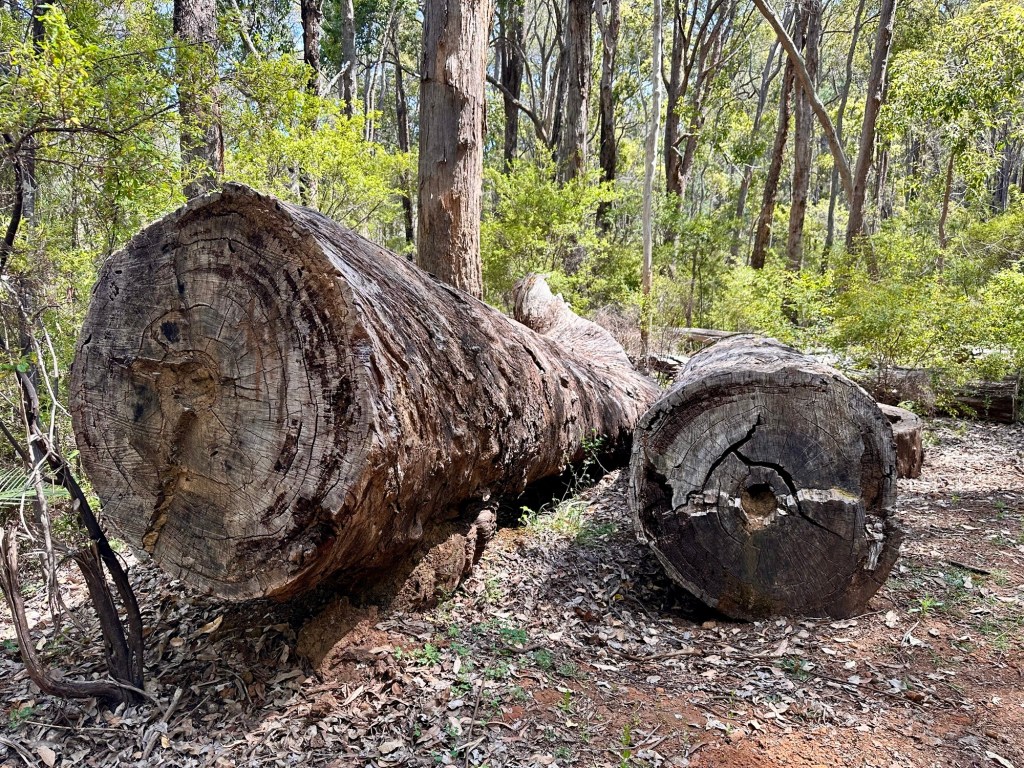
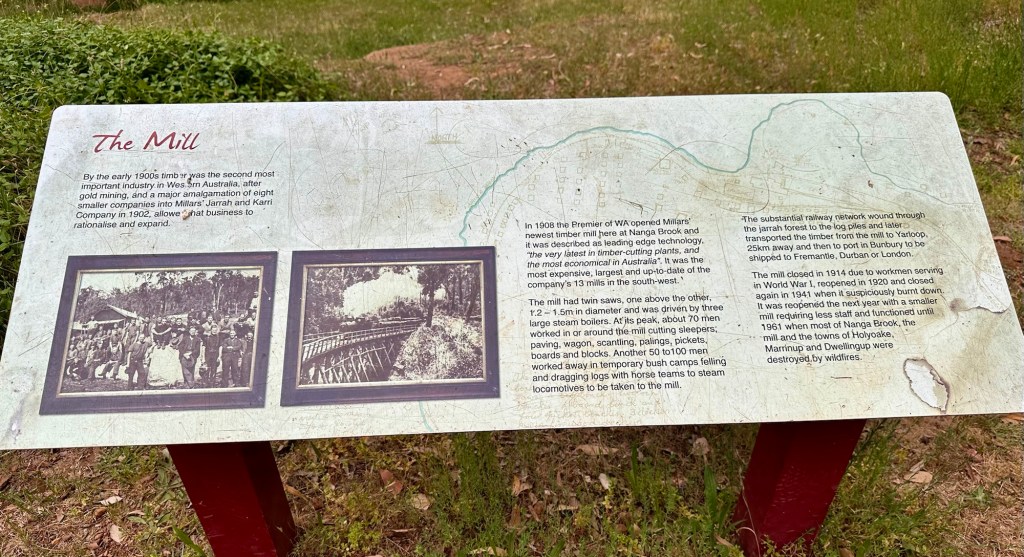
During the WW2 there was a large POW camp in the forest at Marrinup. German and Italian war prisoners were bought here from Europe after the invasion of Italy. Many stayed after the war. We visited the remains of this camp in the middle of the forest. The whole area around Dwellingup was logged up till 1961 when a wild fire destroyed many of the towns. Logging was not restarted. The forest has recovered and many large trees can be seen (again). The roads criss-cross the forest and campsites are laid out in the National Parks.
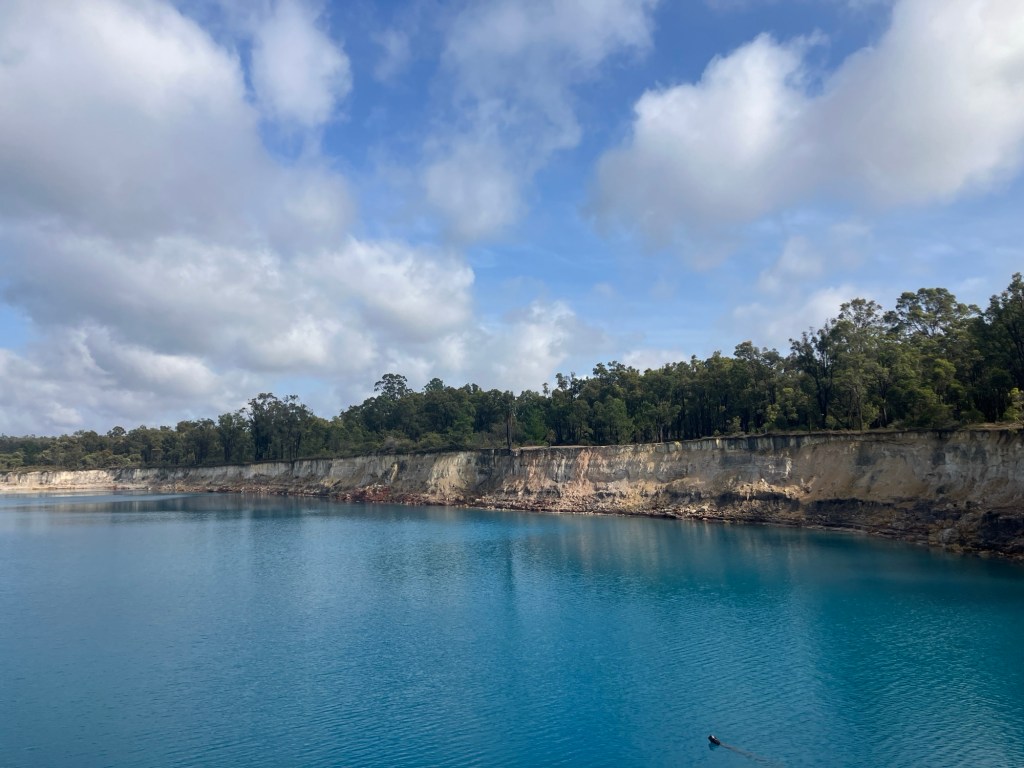
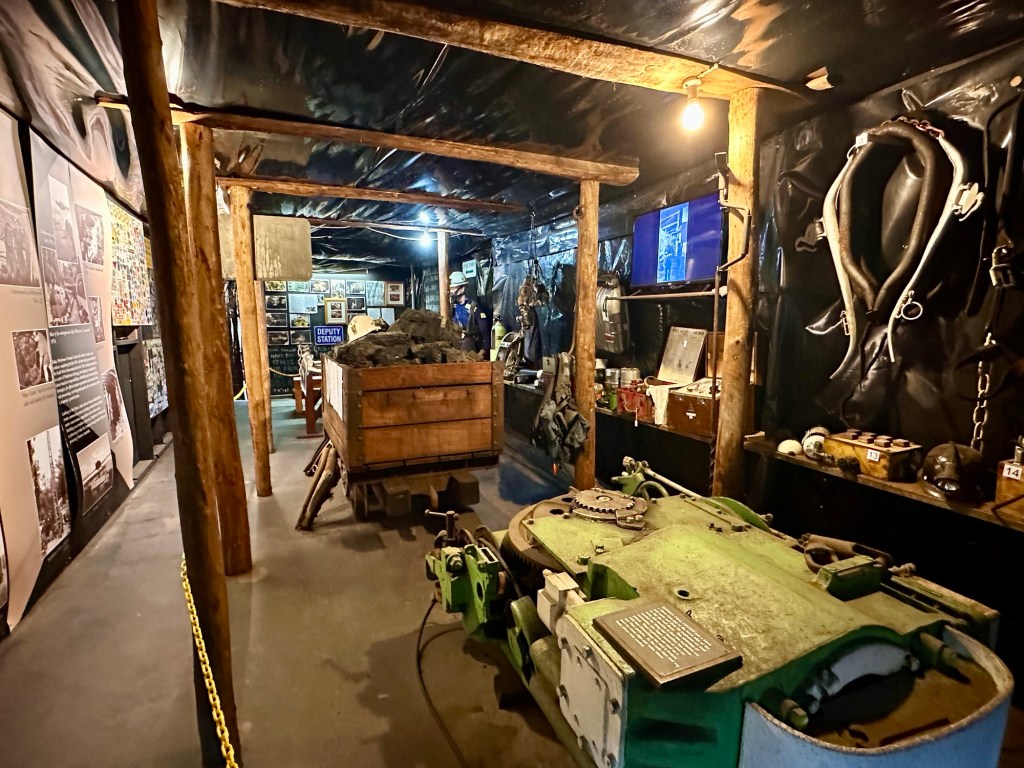
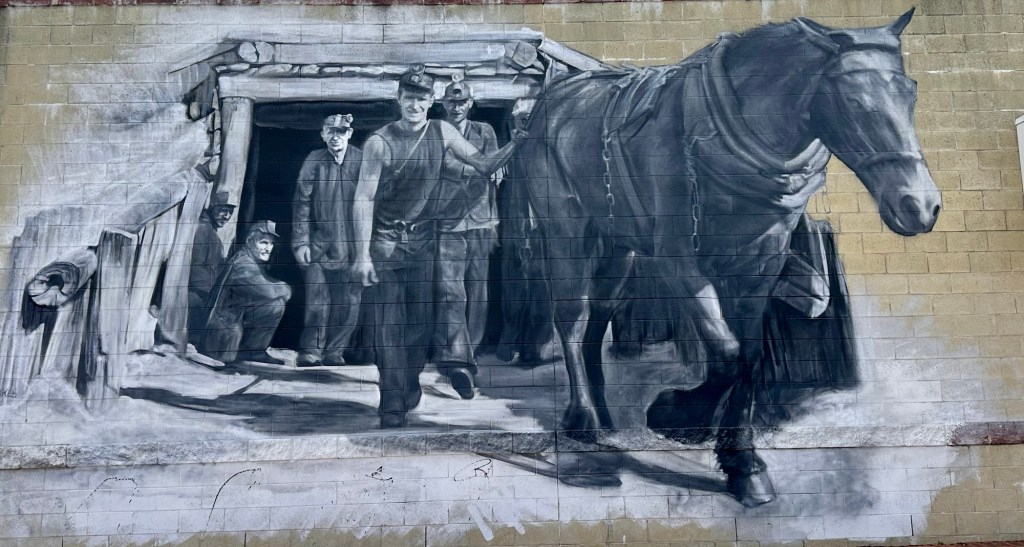
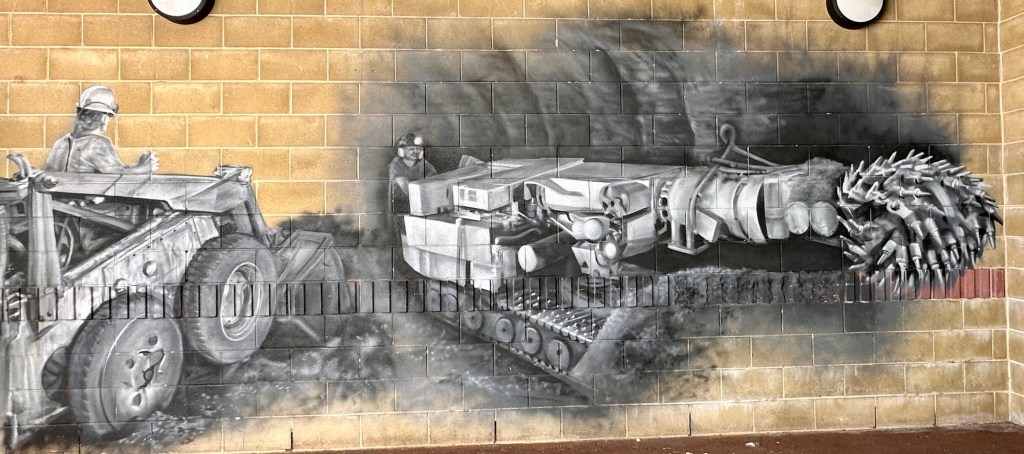
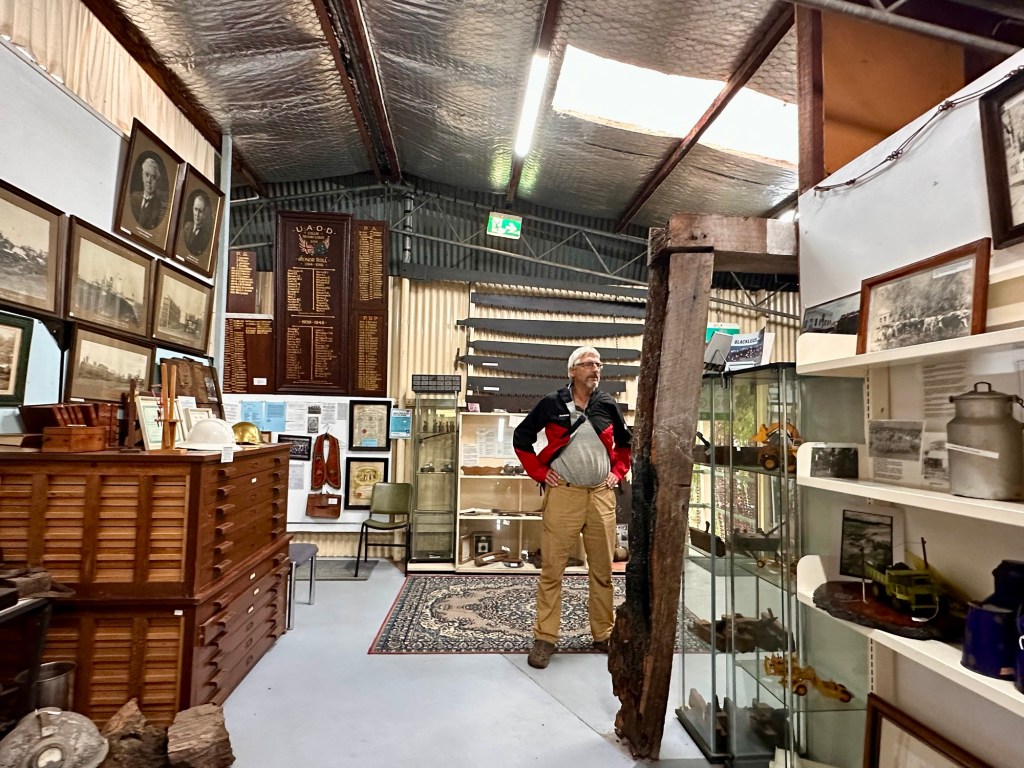
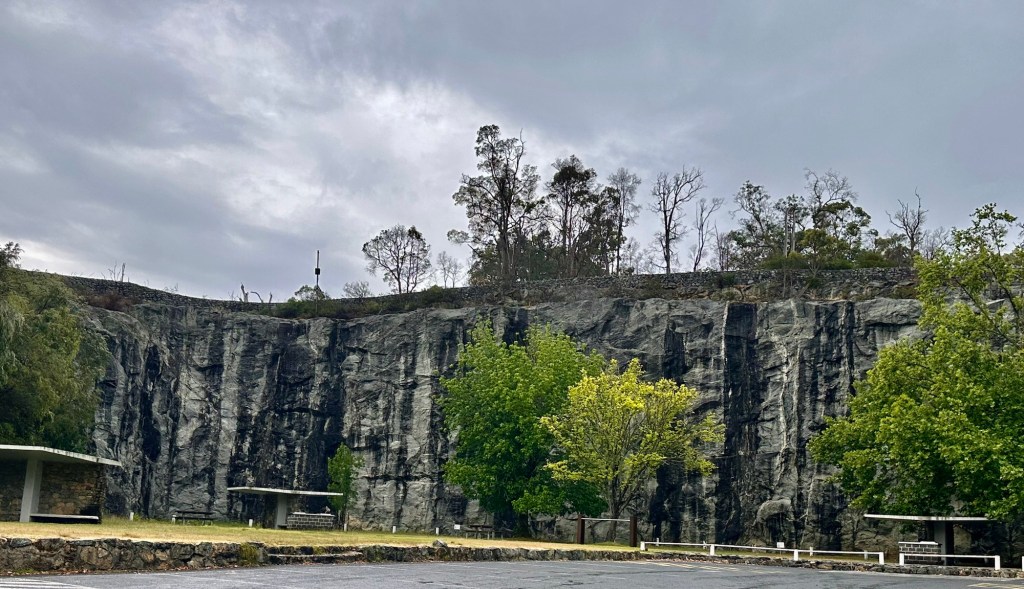
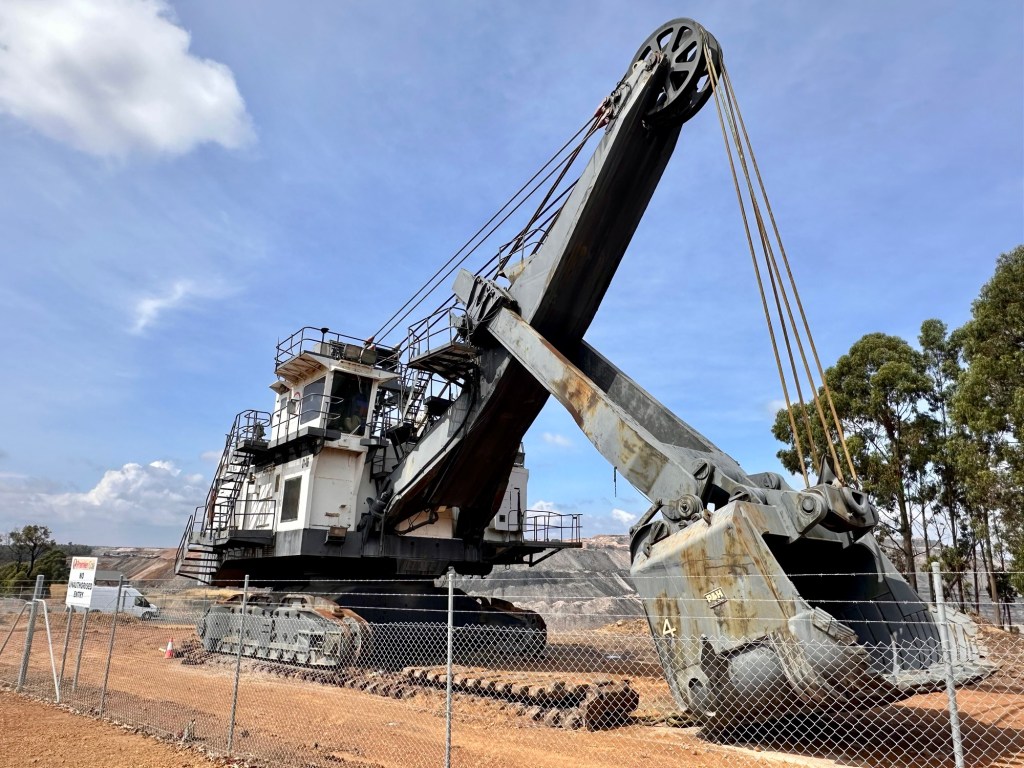
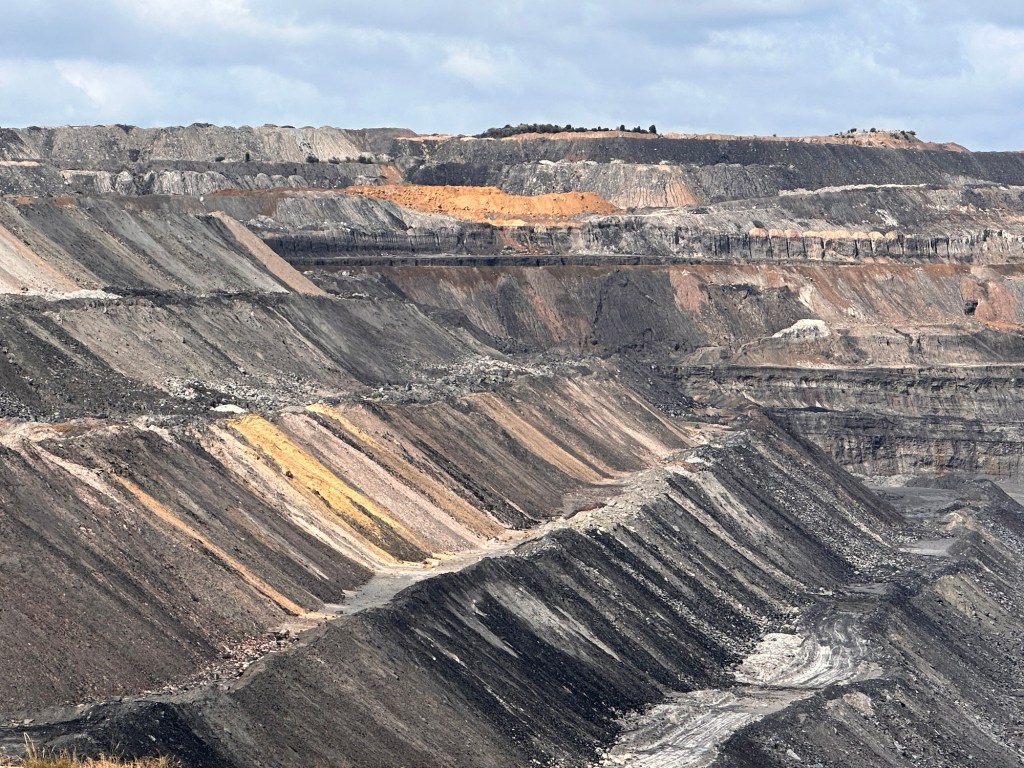
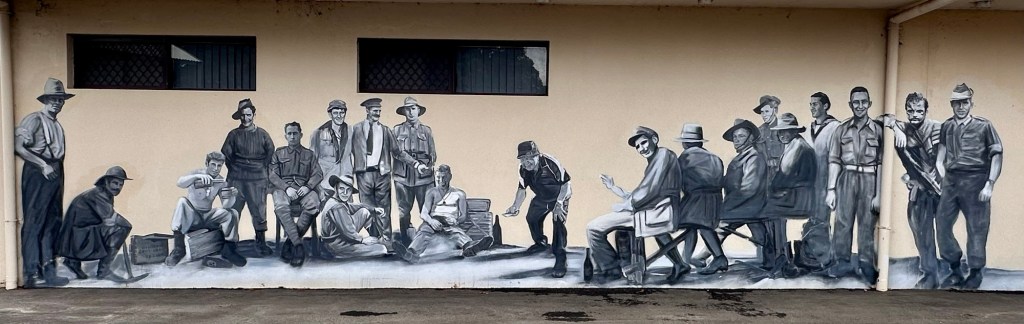
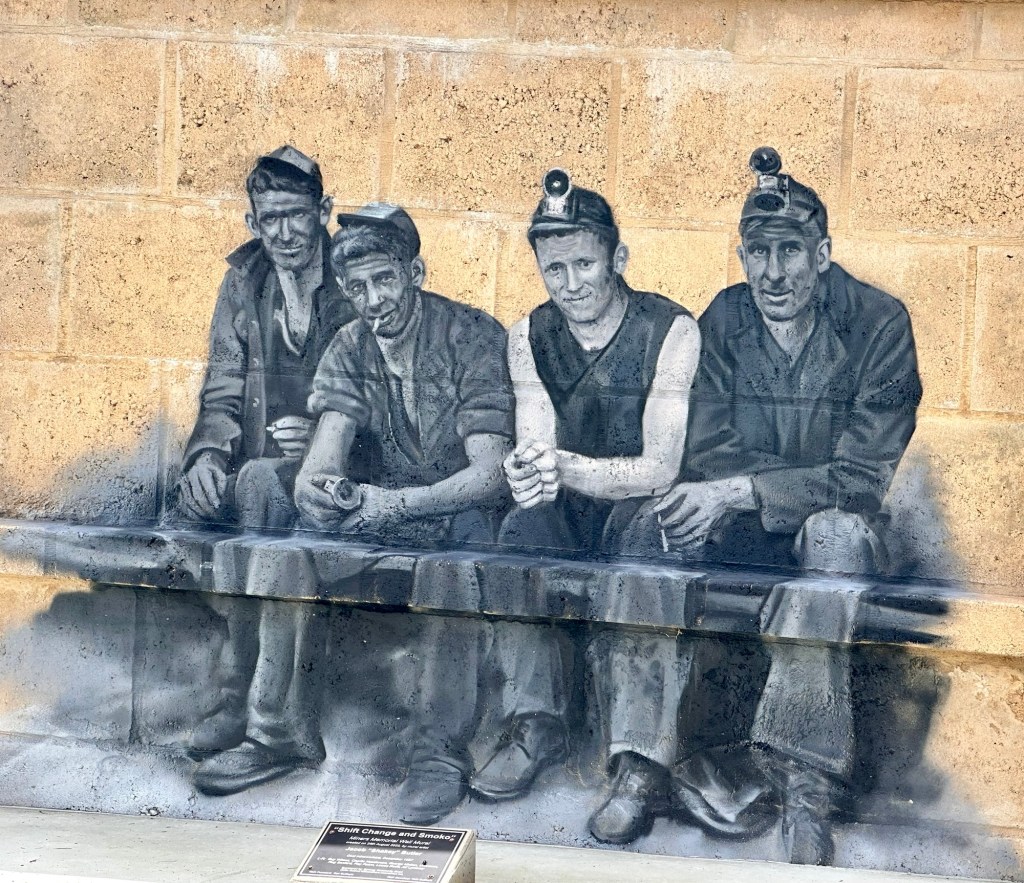
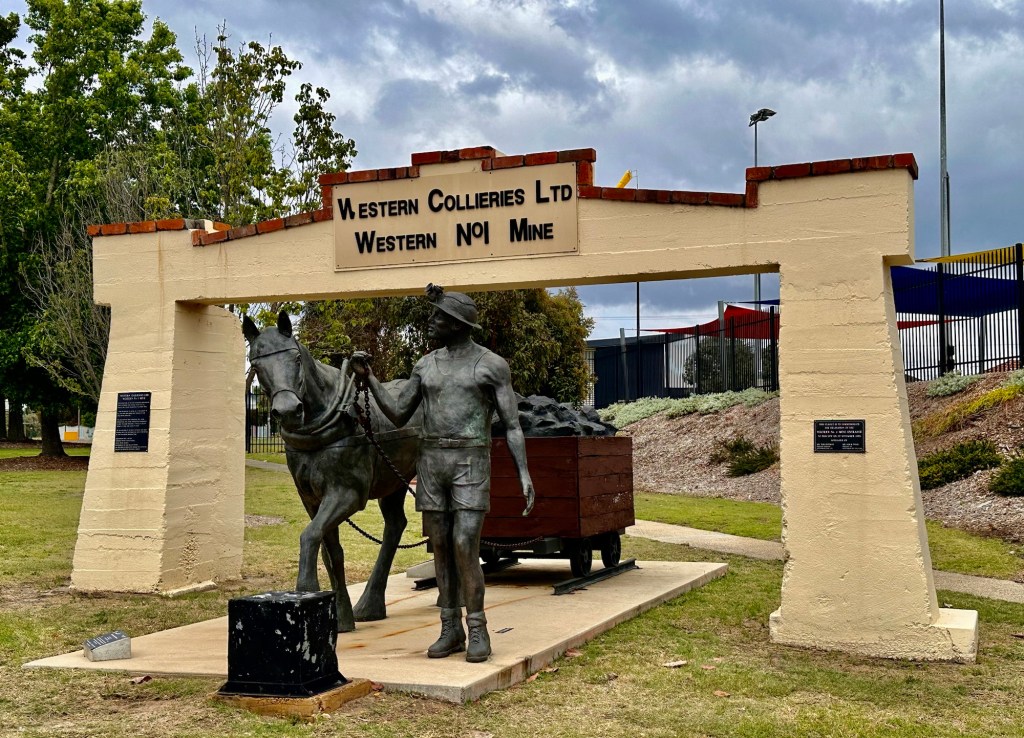
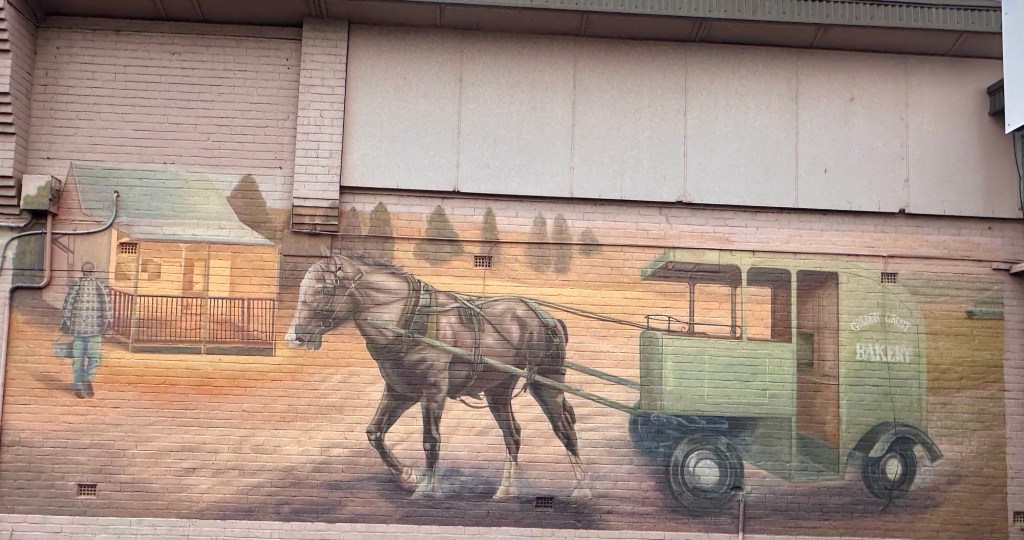
Further inland is the mining town of Collie. The coal used to be mined underground but now there are several large open pit mines in the area. The coal is used for generating electrical power which is delivered to the nearby towns and other (gold, aluminium) mines further inland. It is expected that the open pit coal mines will close over the next 10 years. To diversify from mining and become attractive to tourists the town has been cleaned up and many murals (street arts) decorated the walls.
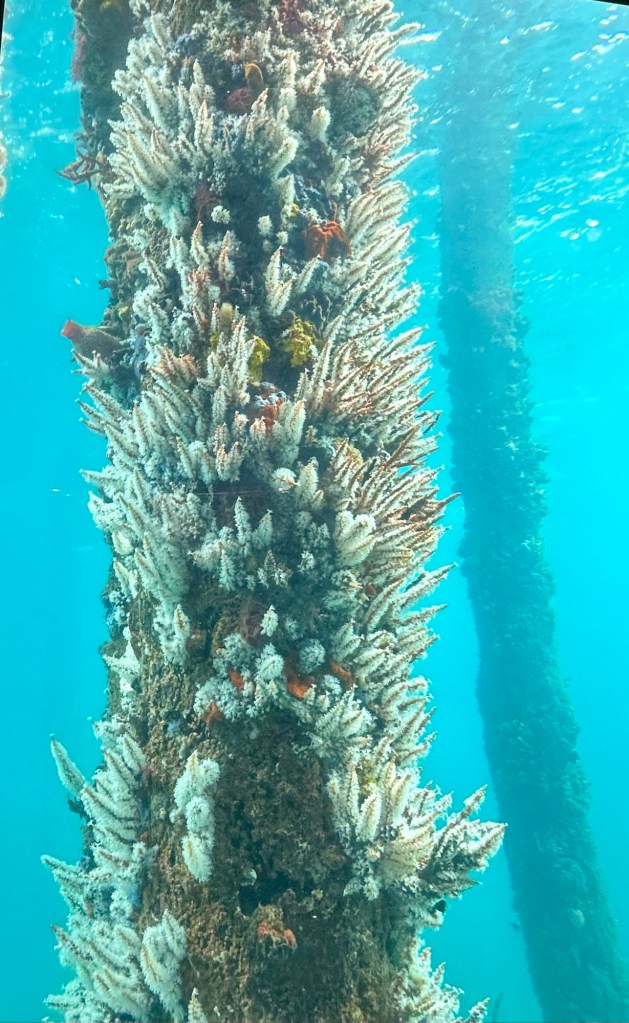
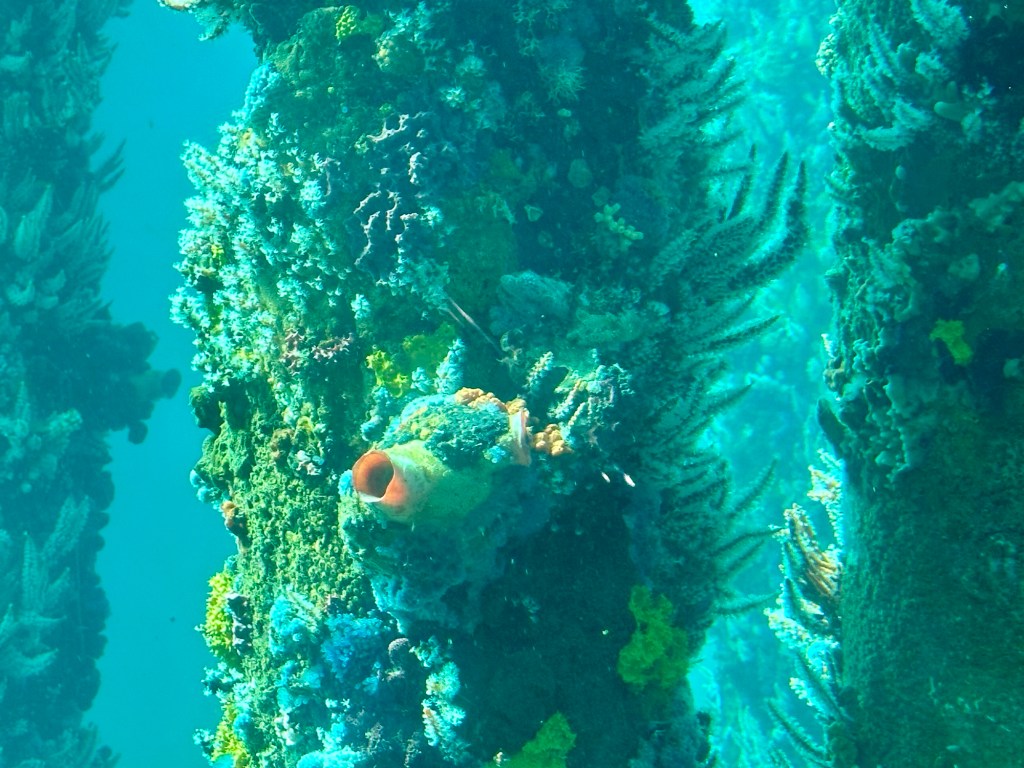
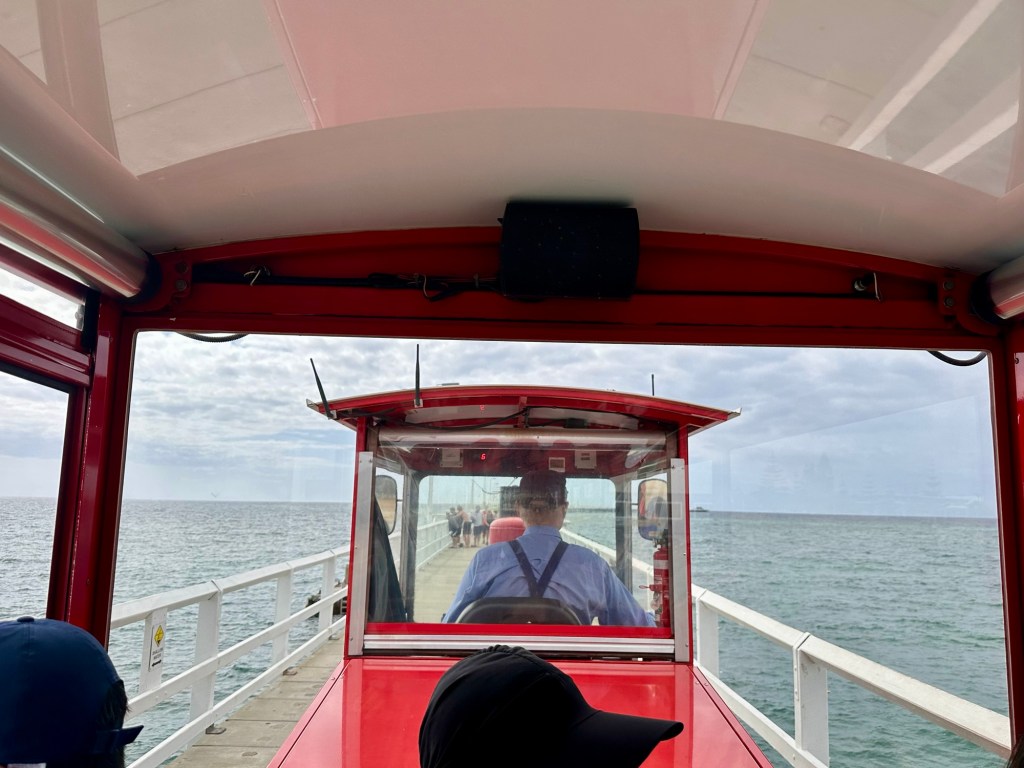
After this inland detour we drove back to the coast at Busselton. An 1800 m long jetty, which was used to export the timber to England, has been fully restored. It has a small train bringing passengers to the underwater aquarium at the end of the jetty. Here you have a lovely view of the recent soft coral growth on the legs of the jetty with small fishes swimming around.
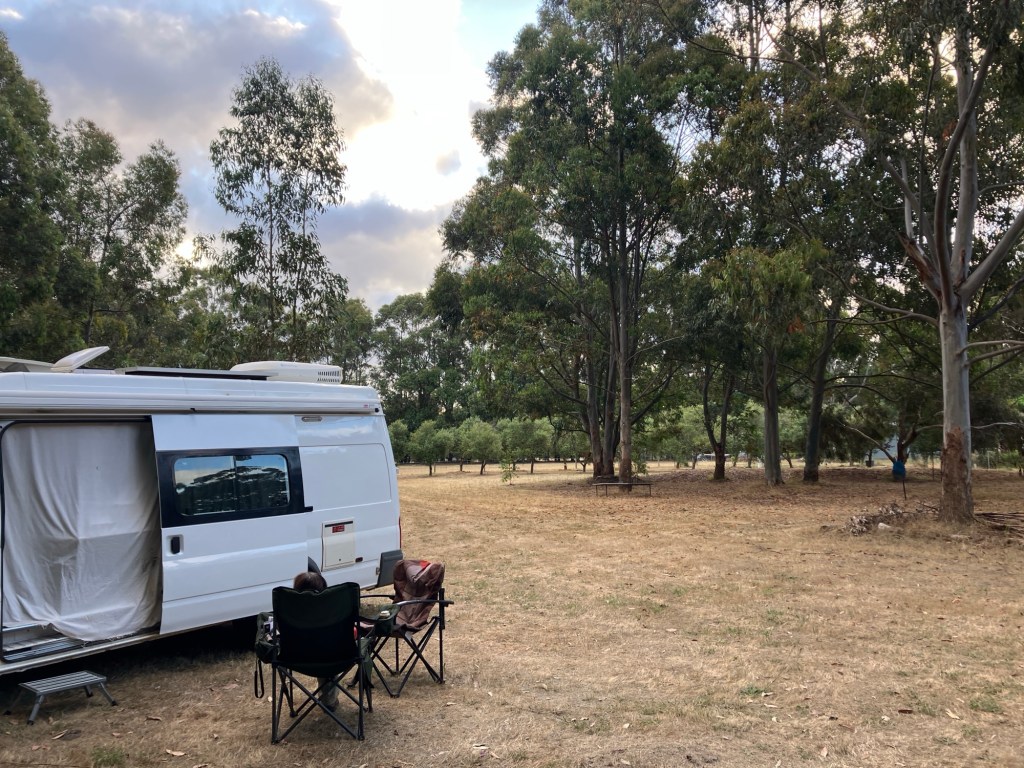
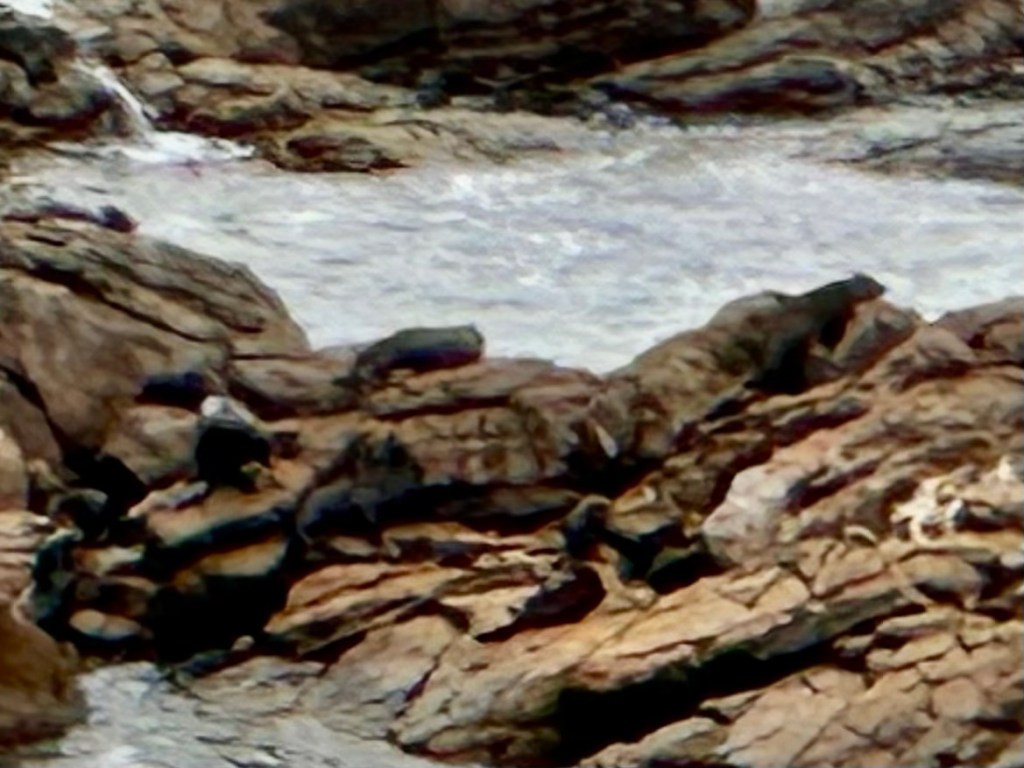
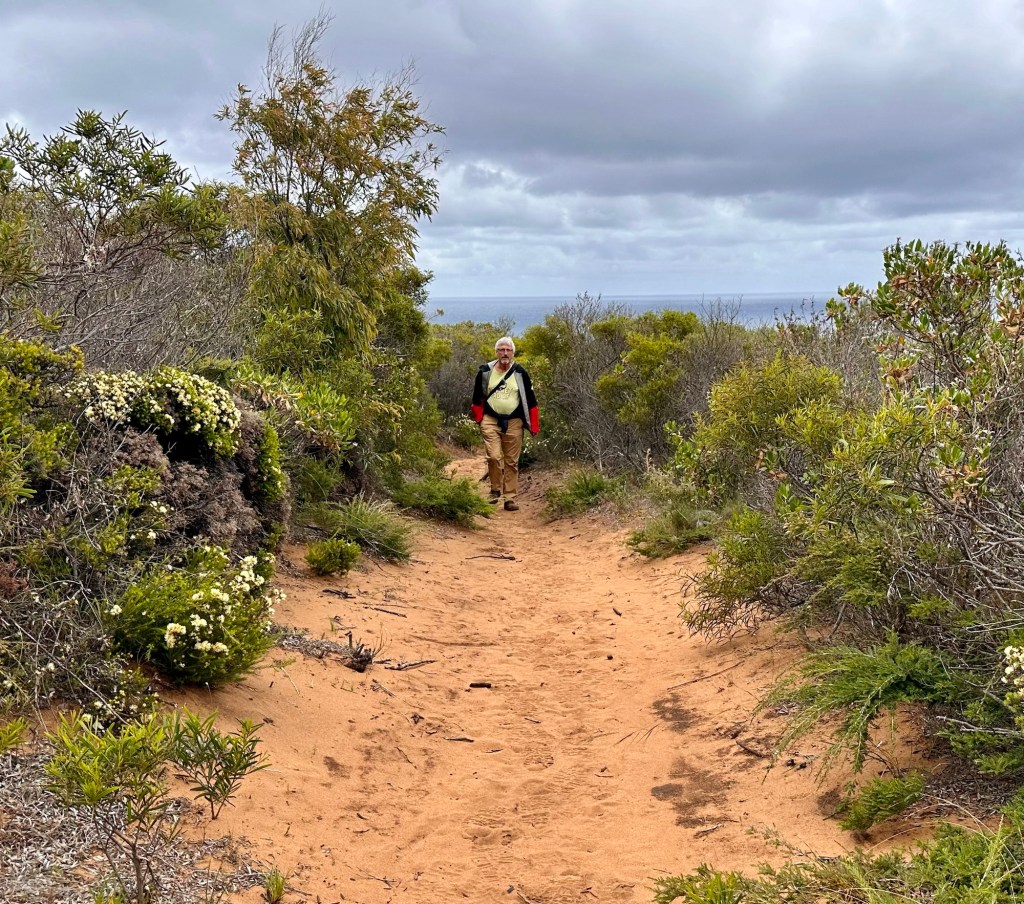
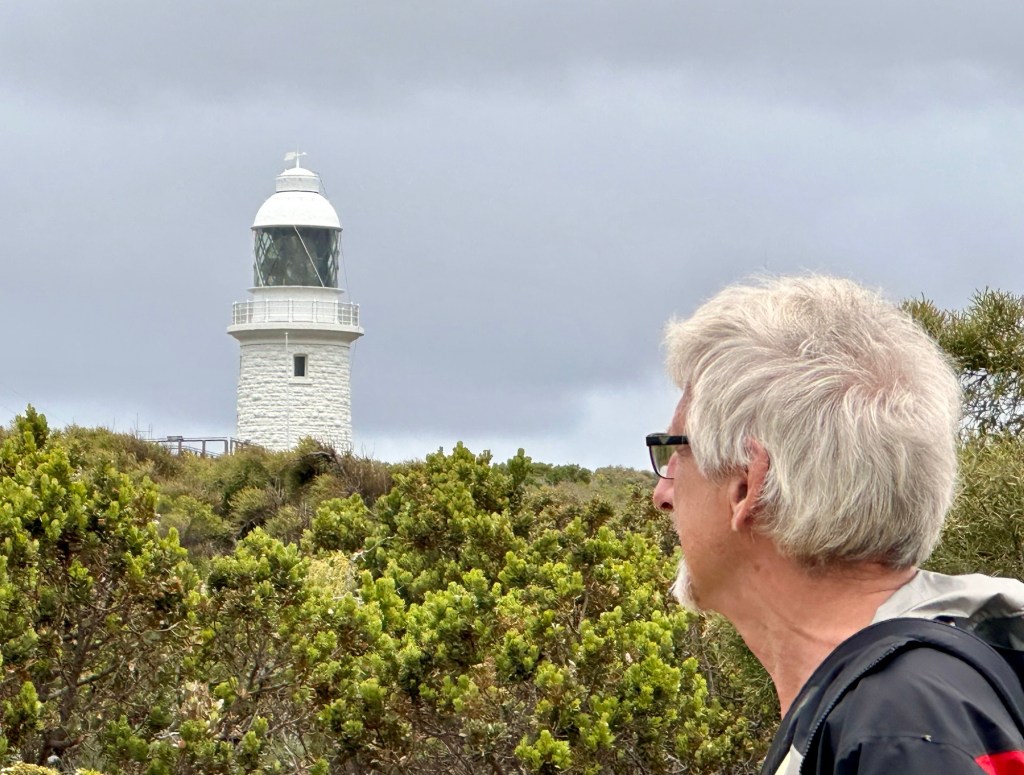
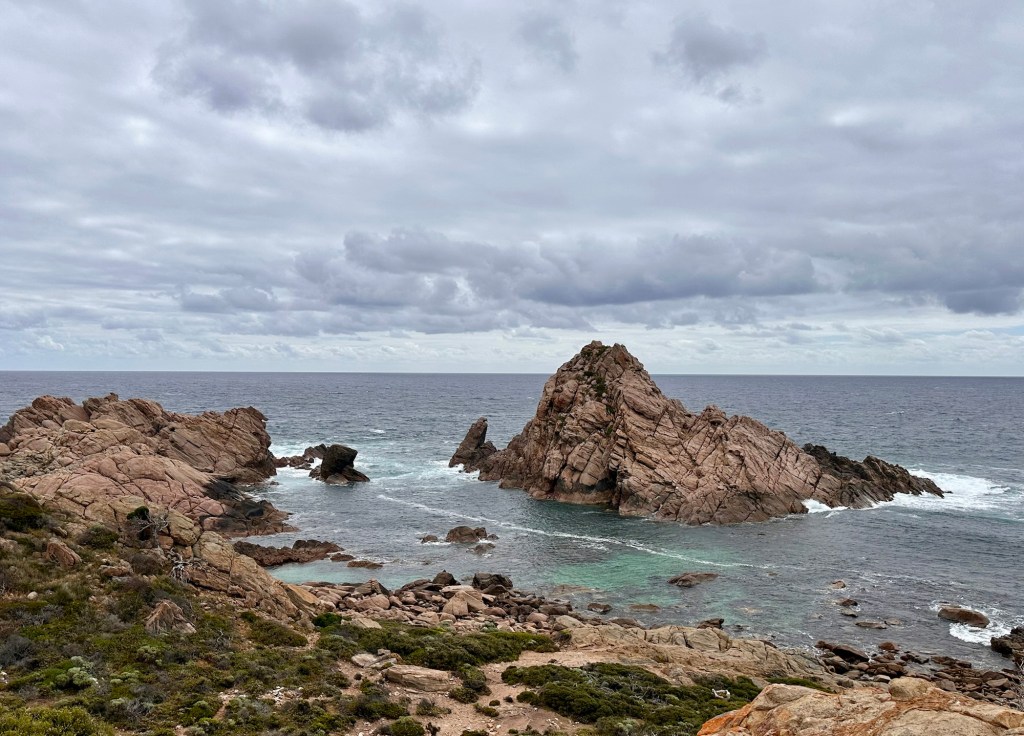
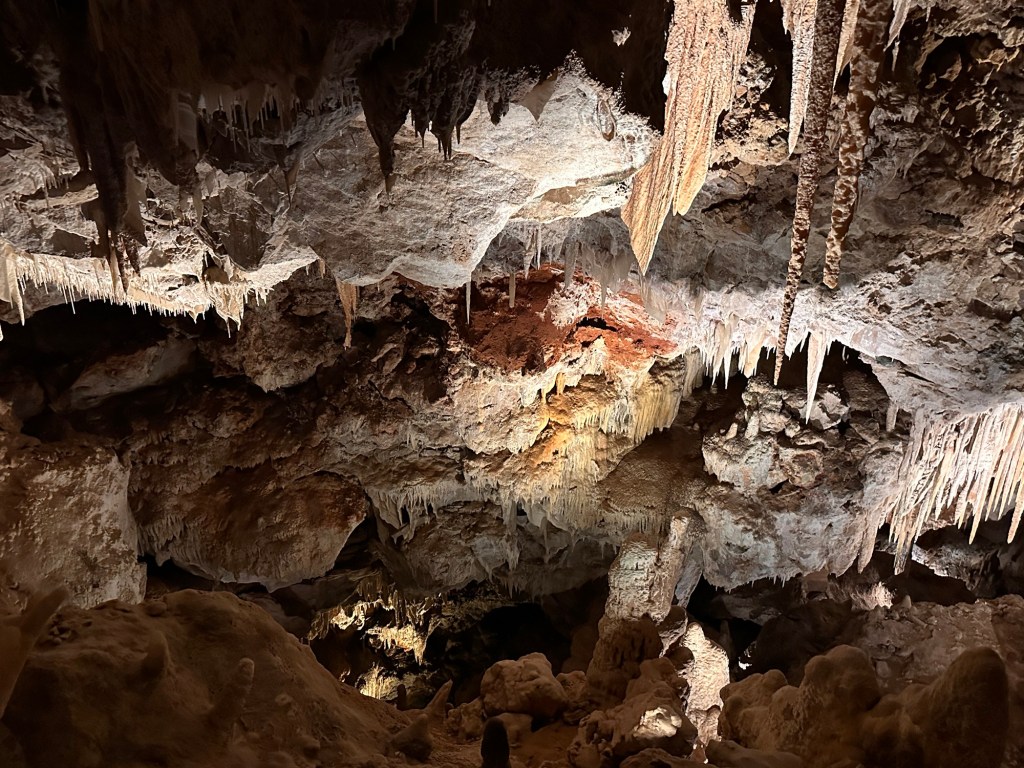
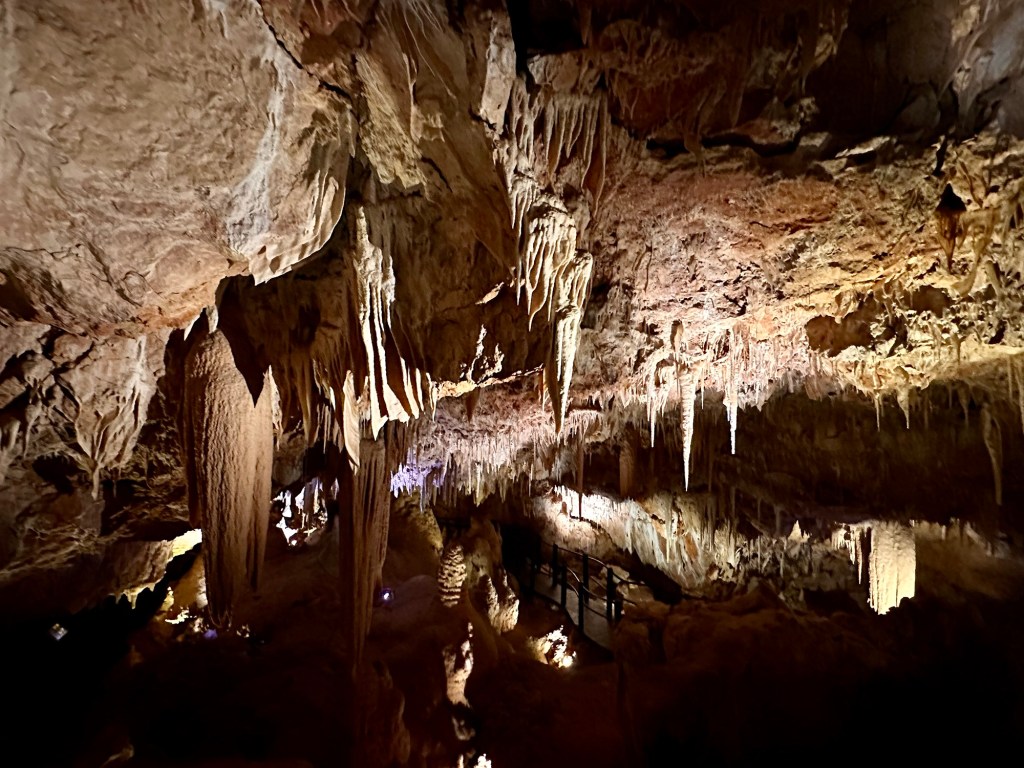
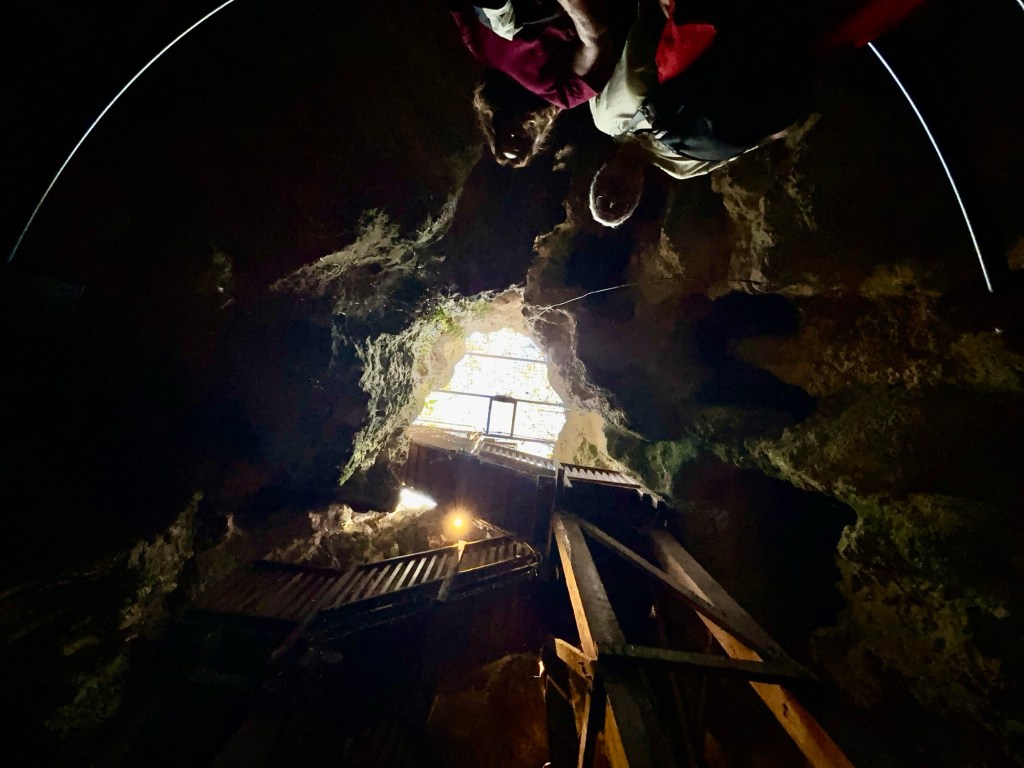
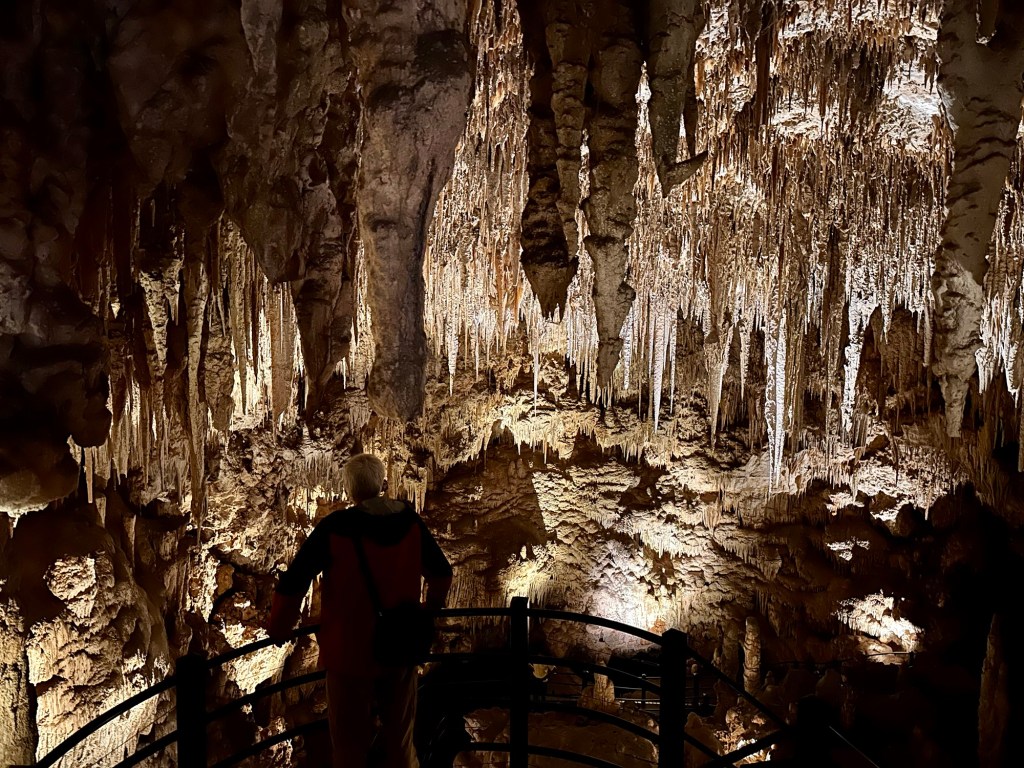
Cape Naturalist is at the end of the coast going west. Along the way there are many beaches and private religious group campsites. The cape has a lighthouse and around it are many walking paths through dense bush with lookouts to spot migrating whales. We only spotted an island with seals. The “cave road:” going South connects many caves. We visited 2 of them. First the Ngilgi cave at Yallingup and later the Jewel cave close to Augusta. The caves are formed by rainwater seeping though the sandy calcite rich ground disolving the calcite and forming limestone above the inpenetrable granite which lies underneath. You are allowed to explore the Ngligi cave on your own. It is nice but not overwhelming. After the cave tour we were running late. The nearby campsites were all full with “school Leavers” on their end of school trip. Jamaliah found a farm which allowed 2 selfcontained campers on its ground.



















 Rudy Welling's Travels