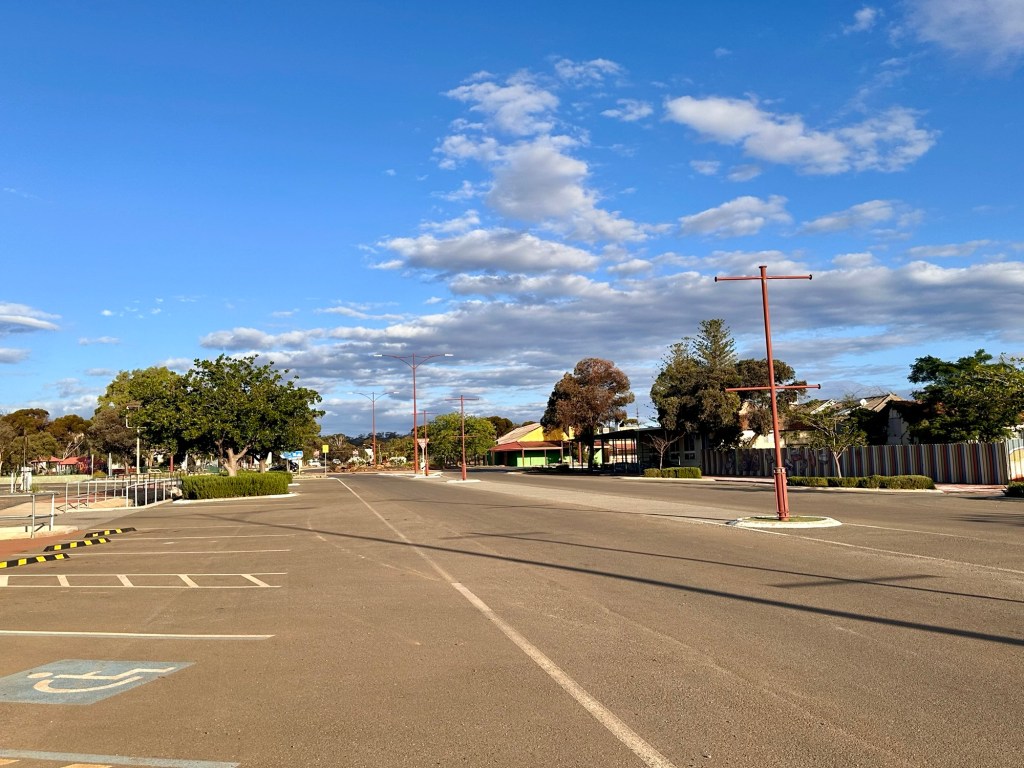
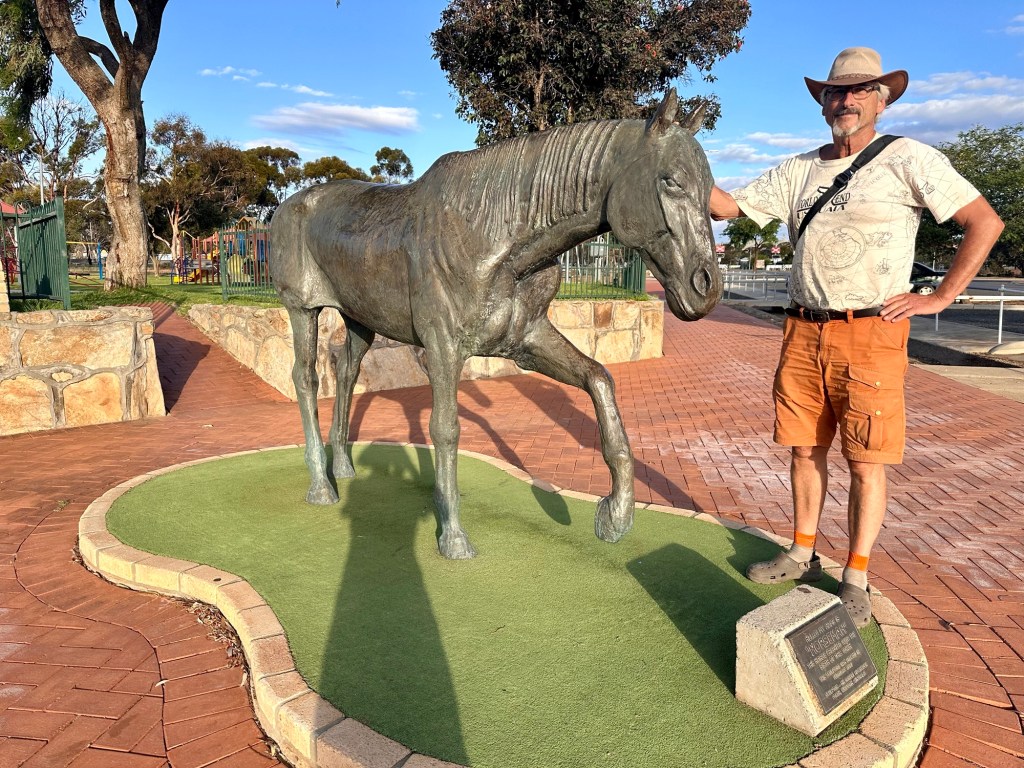
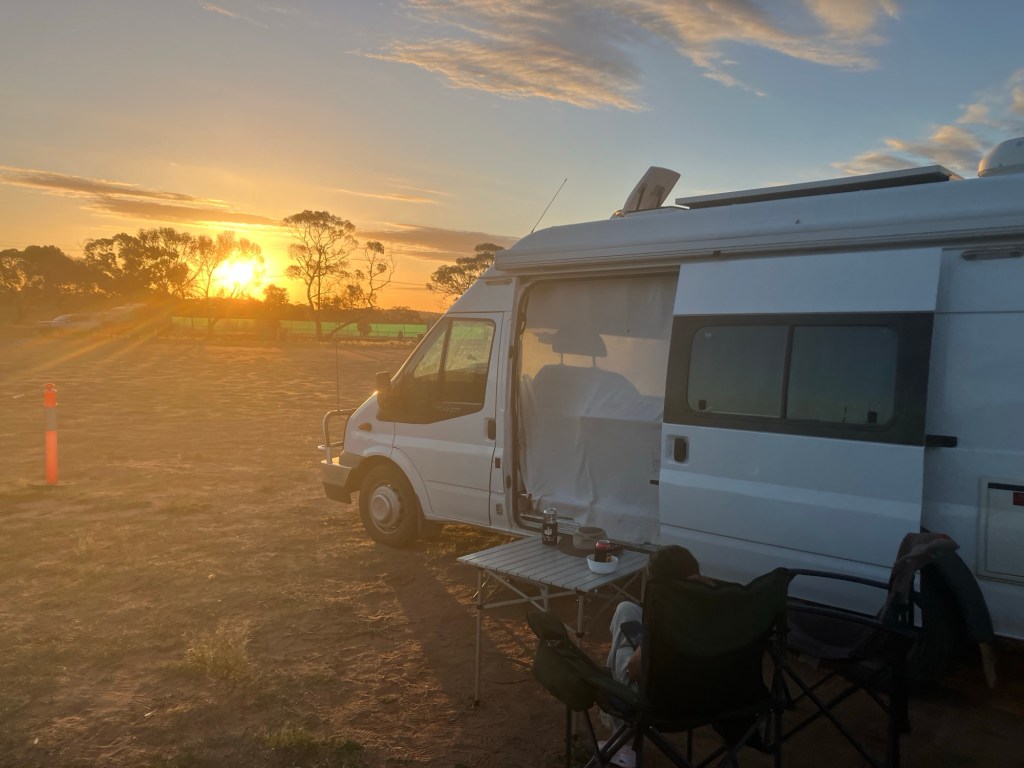
It was a lovely sunny morning. If the cold seabreeze was not so strong we would have stayed on another day. Instead we drove back to Esperance for supplies and then headed north to the Gold Mining area. The first town is Norseman named after a horse who found the first gold in the area in 1893. Now there is still gold mining going on. On what scale we don’t know. The walk into town from the public free campground next to the local sport facility showed a very quiet town center with a grid pattern layout. Not much of interest to see, beside the Olympics size swimming pool. Tomorrow is Sunday so the tourist office is closed therefore nobody to “sell the town to us”.
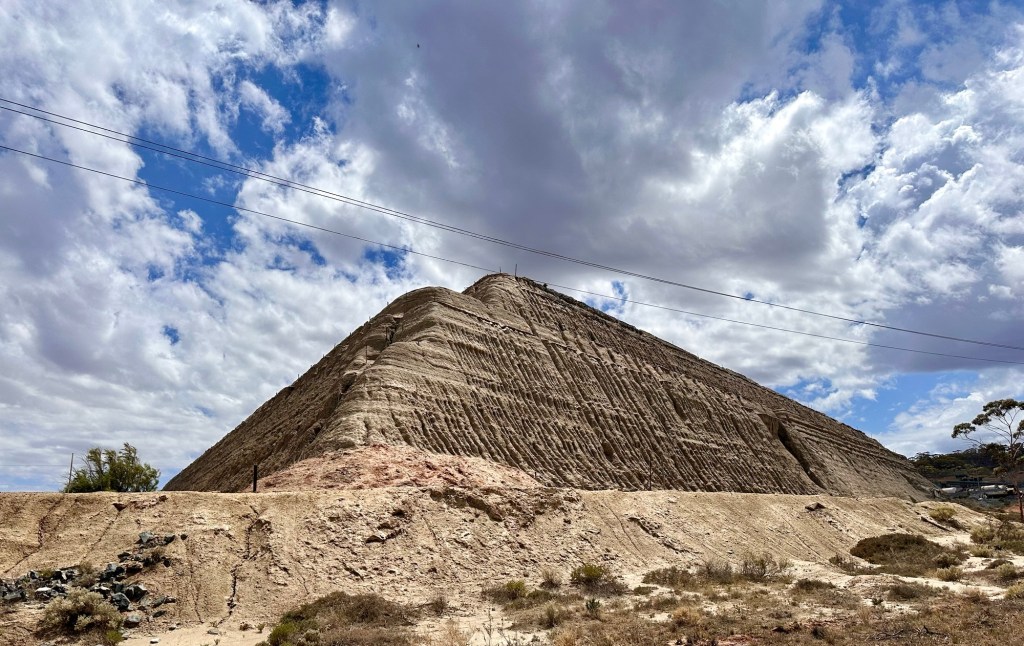
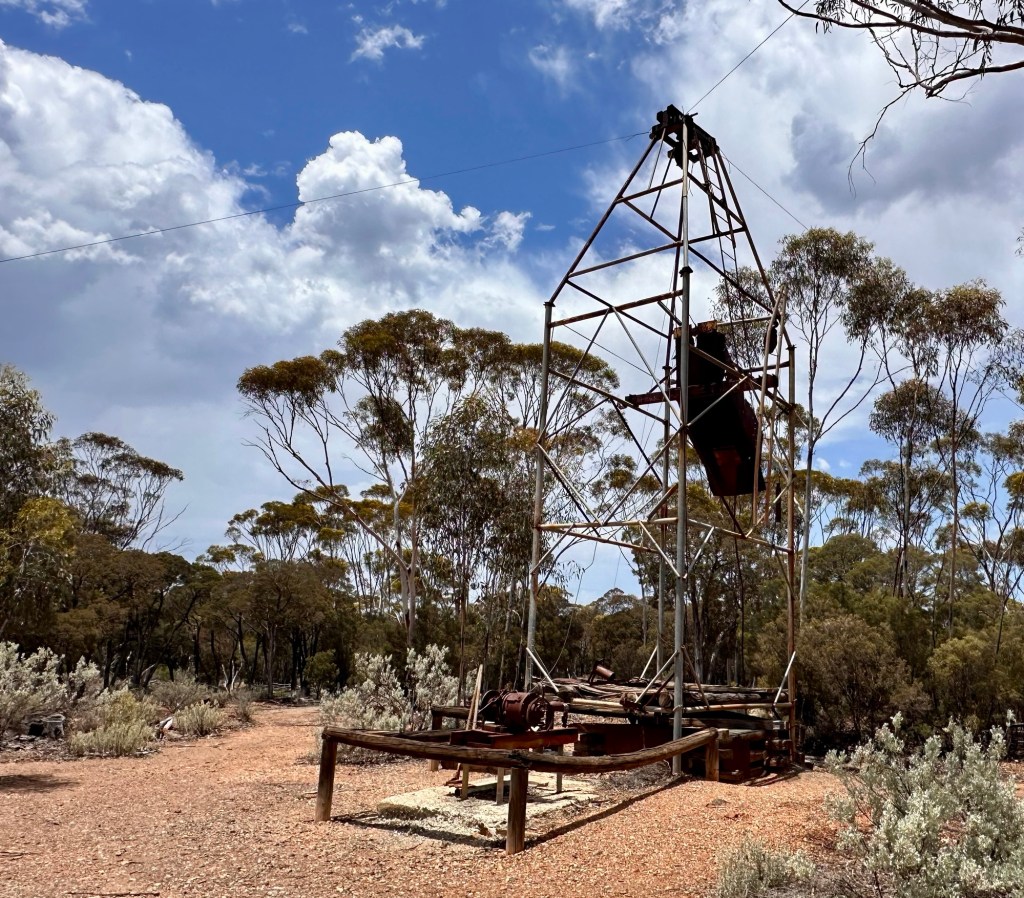
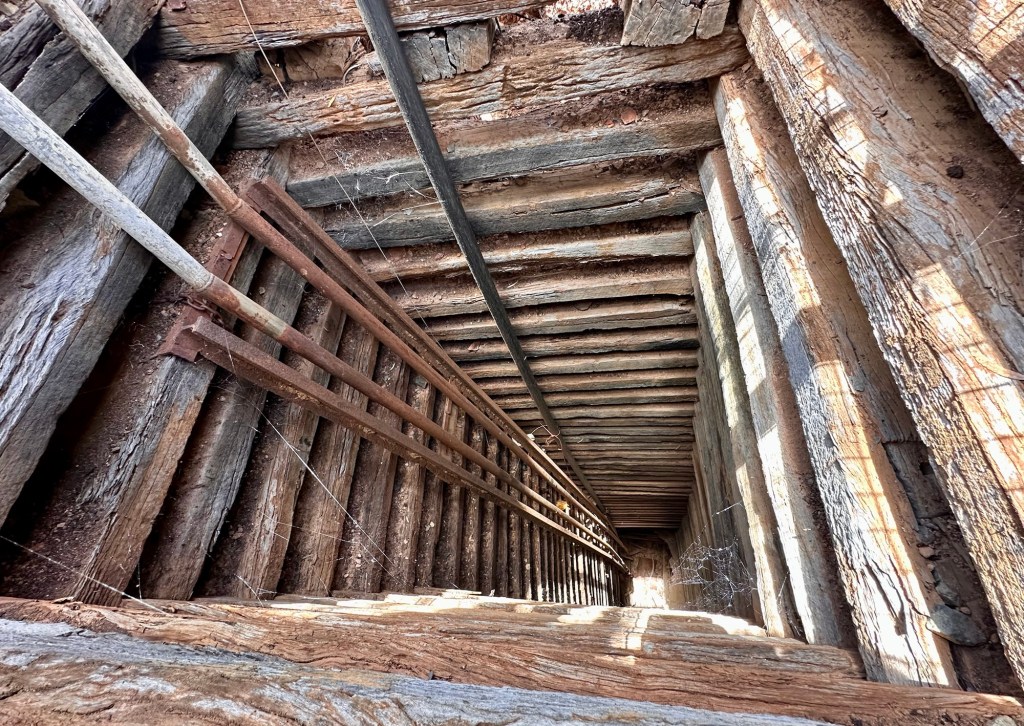
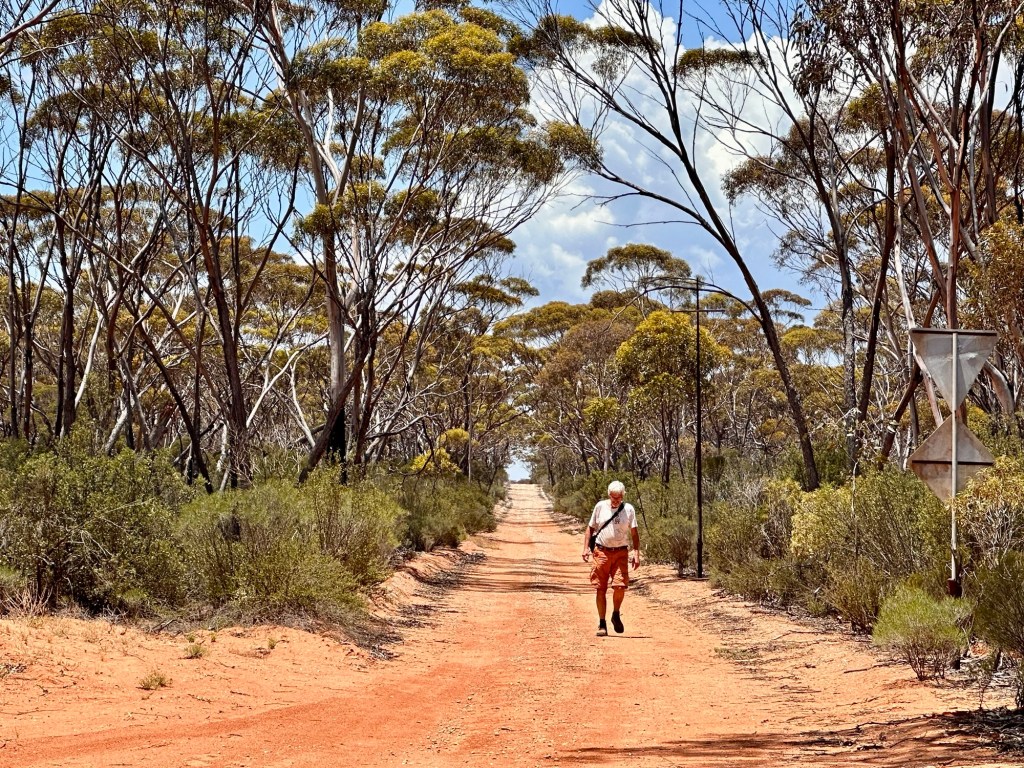
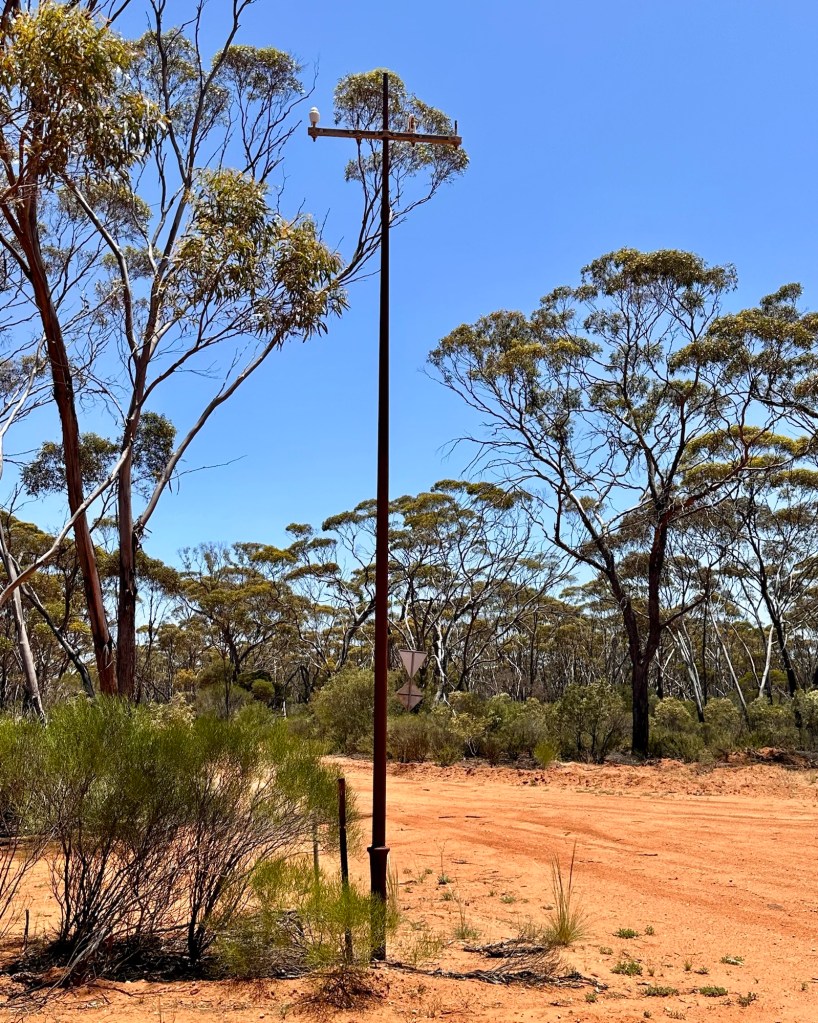
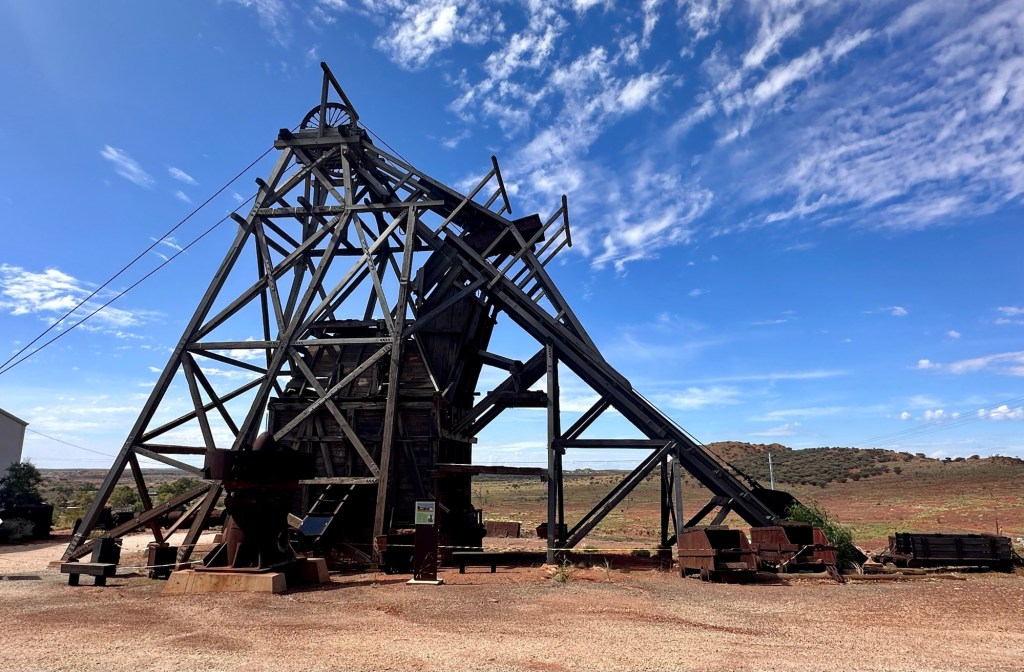
It had rained during the night. Al least that was what Jamaliah said. I slept like a baby. Always do that after a long day driving. We got up late and started driving the recommended Dundas Heritage trail. It runs over a winding gravel road for 20 km through a large forest. Along the way there are many interpretive stops at mostly abandoned gold mine which started in 1894. Many of the mines are taken back by nature. A few were reopened over the year but closed again. Only 1 or 2 are still working. Large waste dumps of the old and new mines dotted the landscape. The smaller, older ones, are covered with trees again. Only some street signs and scrap metal are left of the old Dundas mining town.
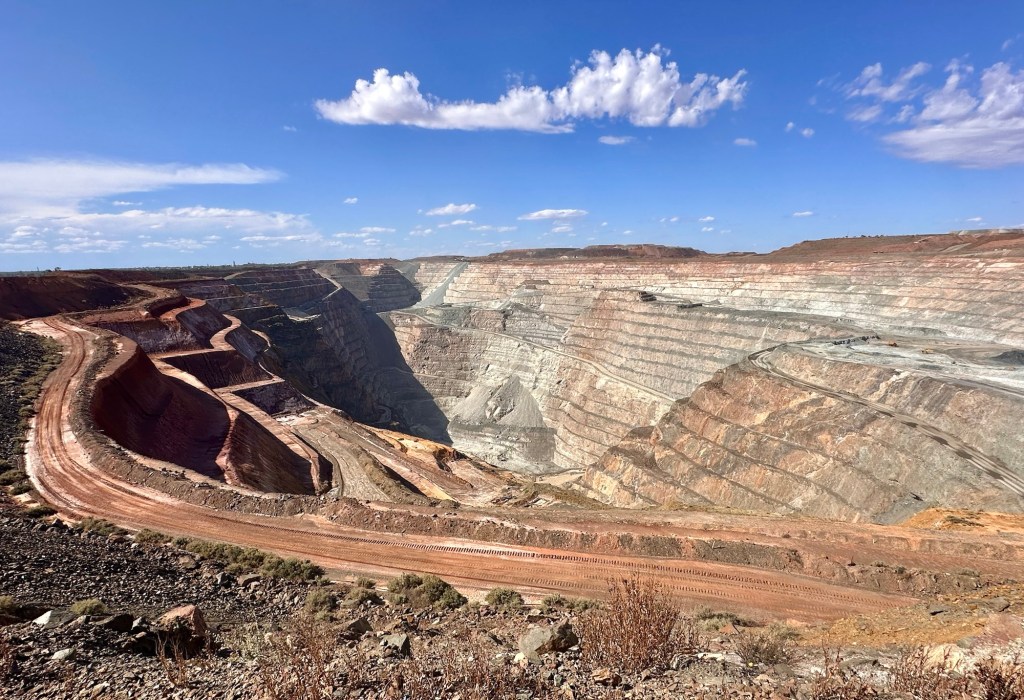
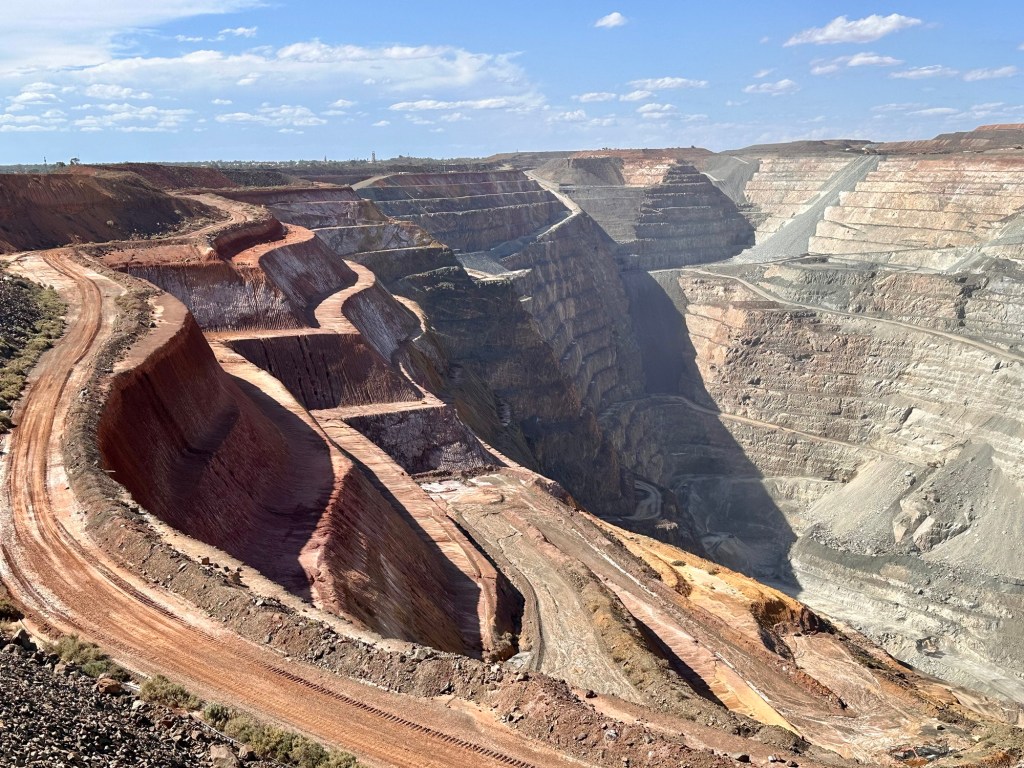
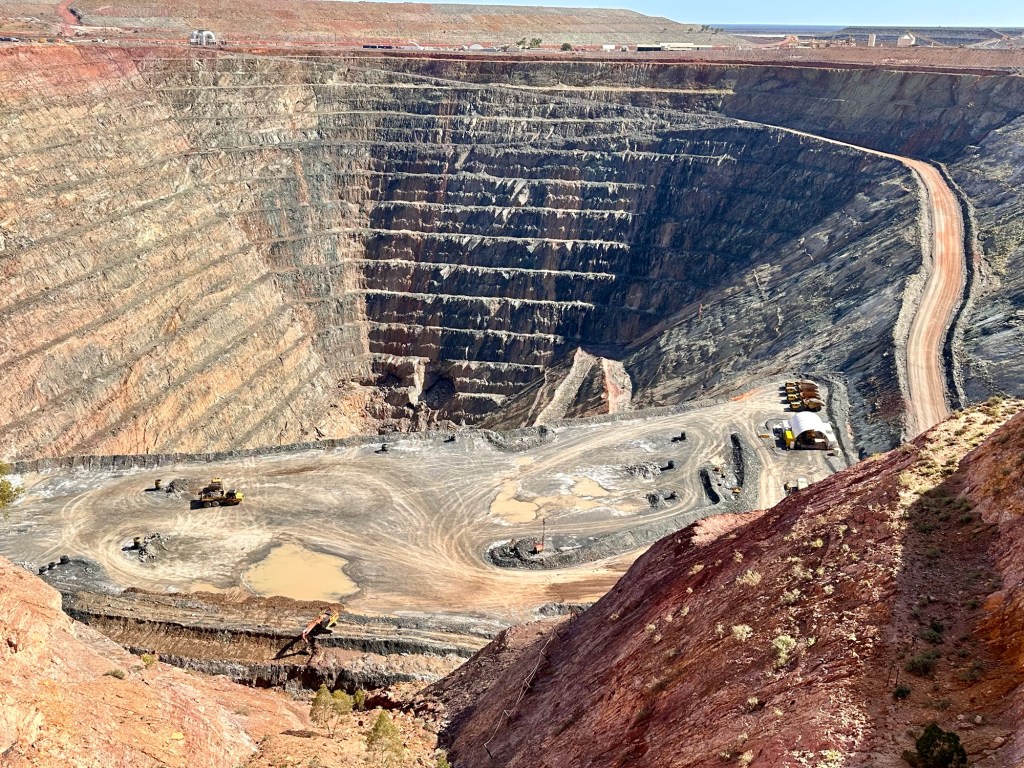
From Norseman we drove further North on the Goldfield Highway to the most successful gold town of Kalgoolie. We drove direct to the “Supper Pit”. This is an immense hole in de ground from where the reef gold is dug up. Large 220 Tonne trucks look like dinky toys.
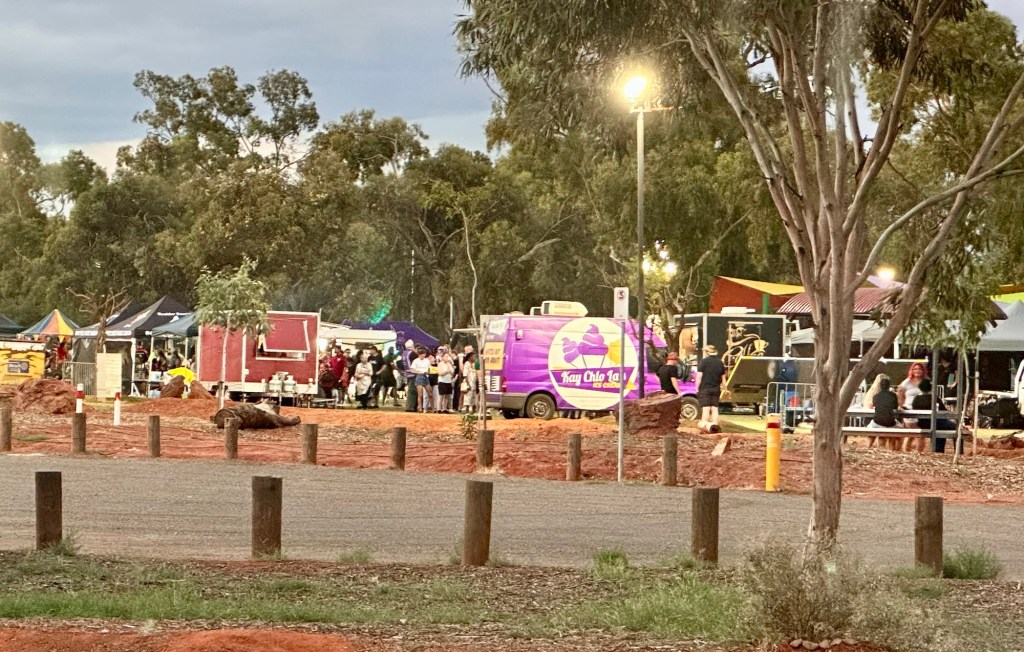
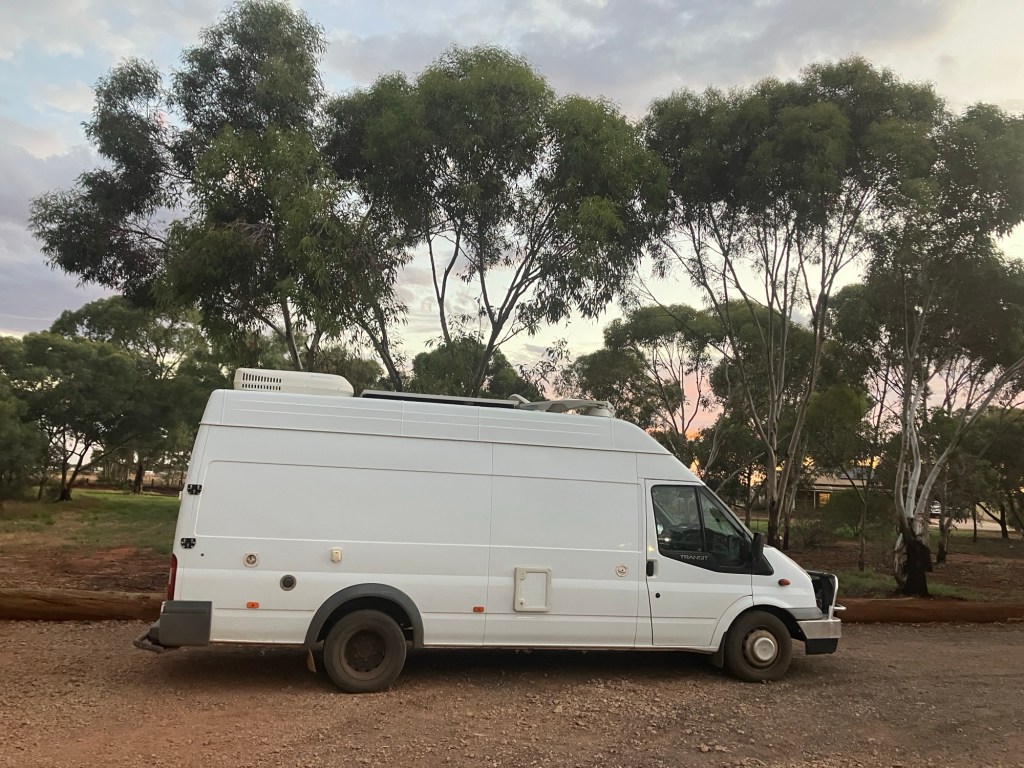
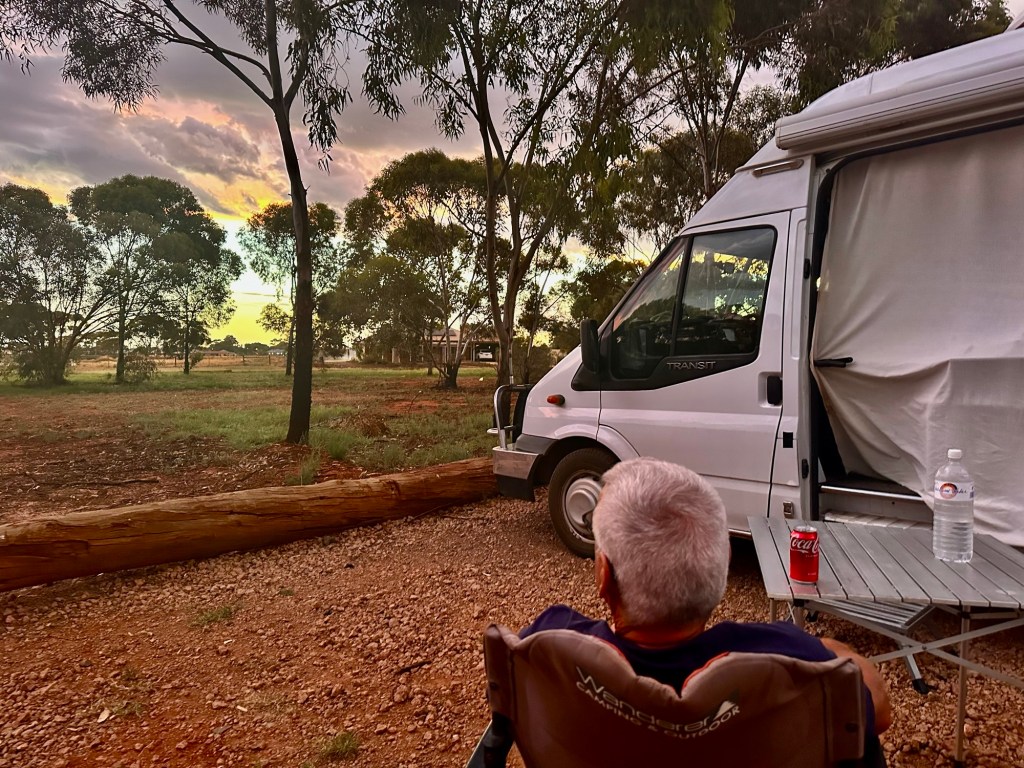
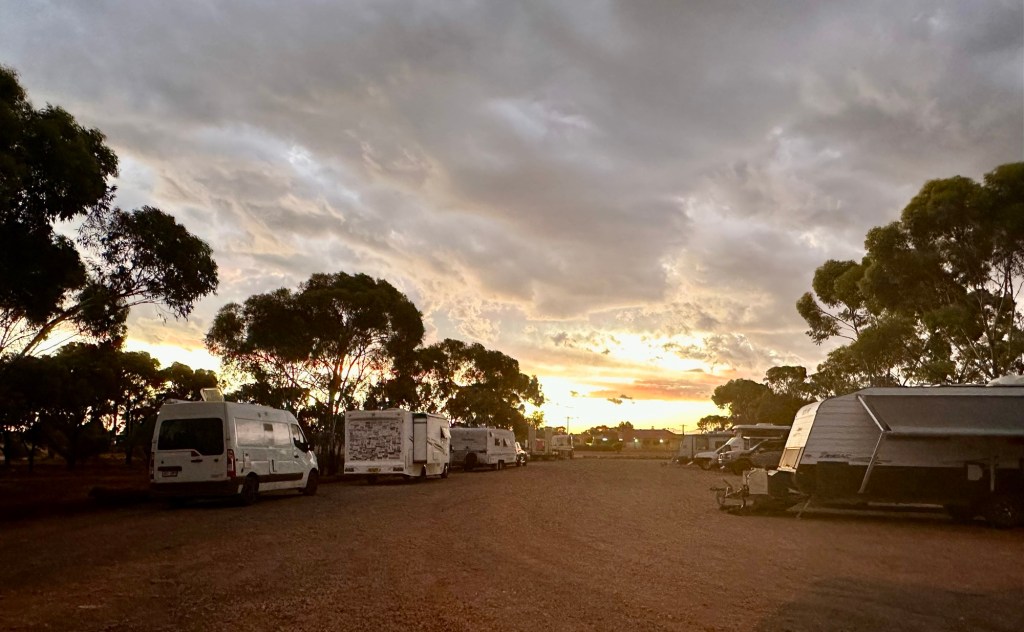
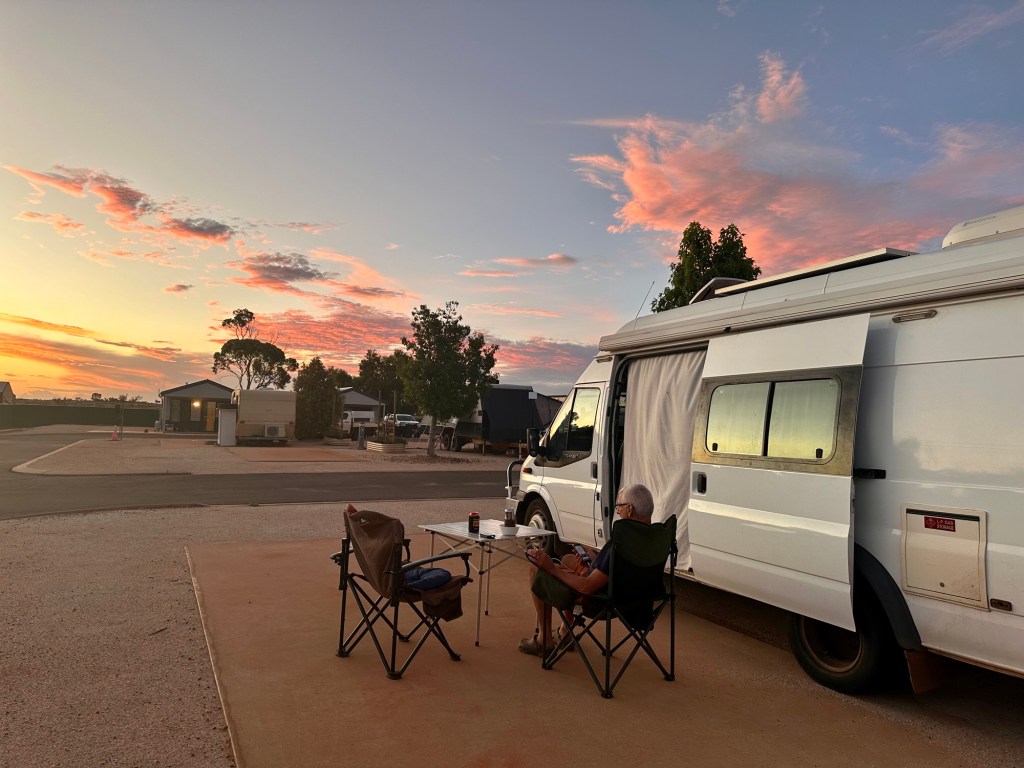
We drove through the old historical mining town with many 100+ year old buildings to the 72 hours RV camping in a local park (same as in Norseman town). Coincidentally in the park this evening there is a Xmas Carol concert with several food trucks, children face painting, ice cream etc. Santa even dropped by for a short time to greet the kids. We were there together with the rest of the town folks enjoying the beautiful singing and cool evening.
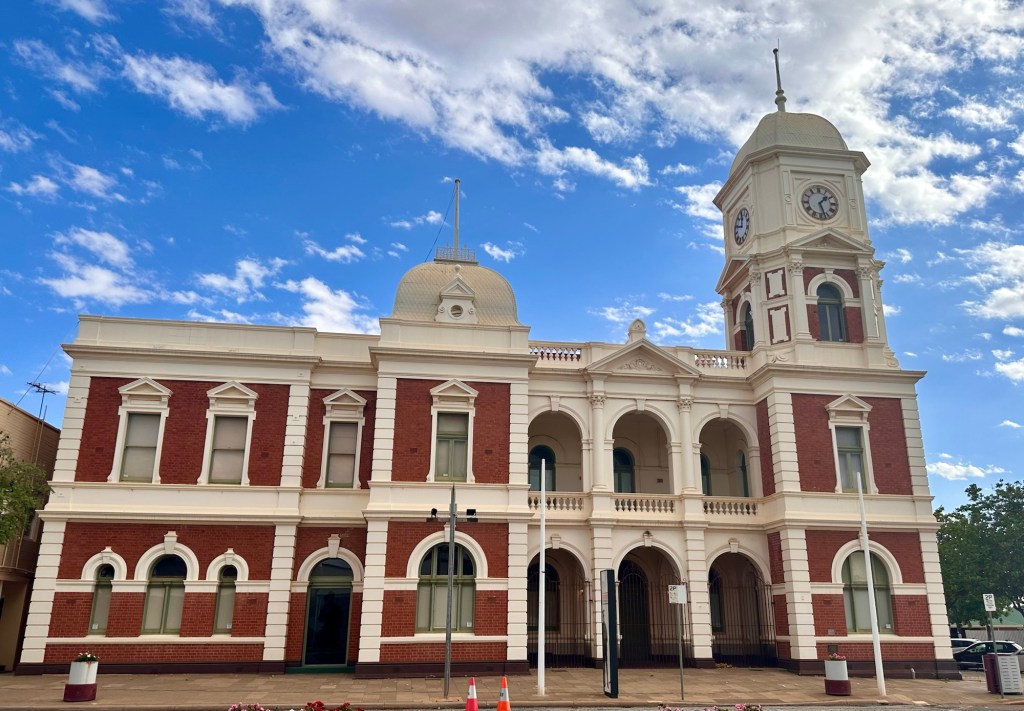
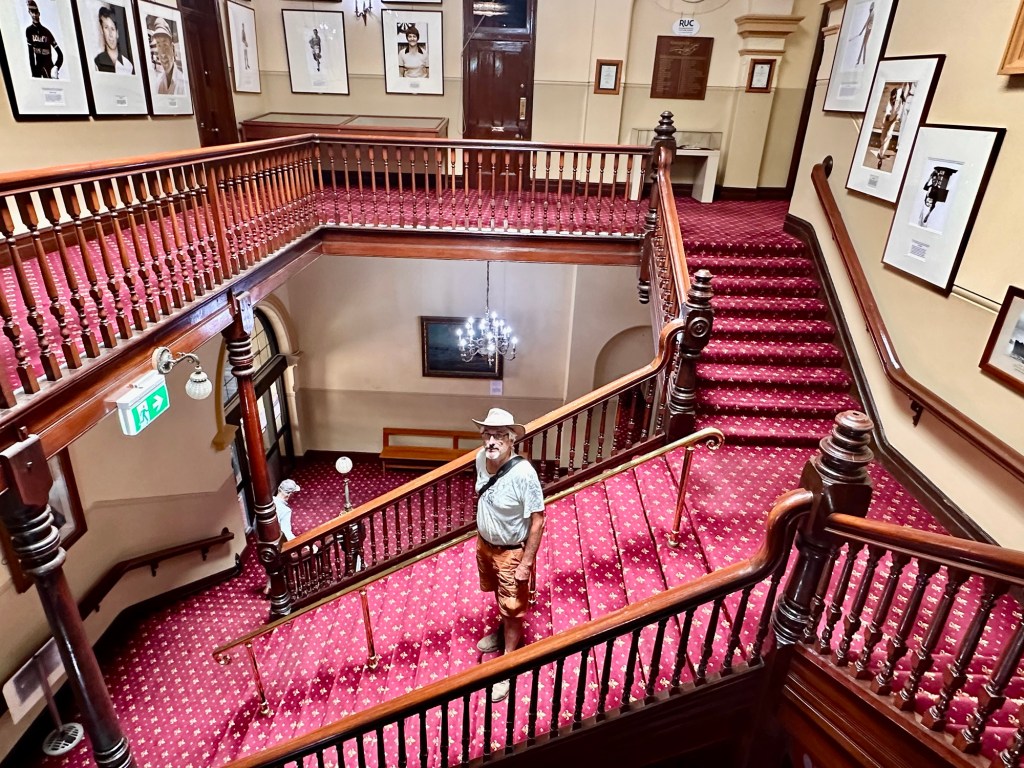
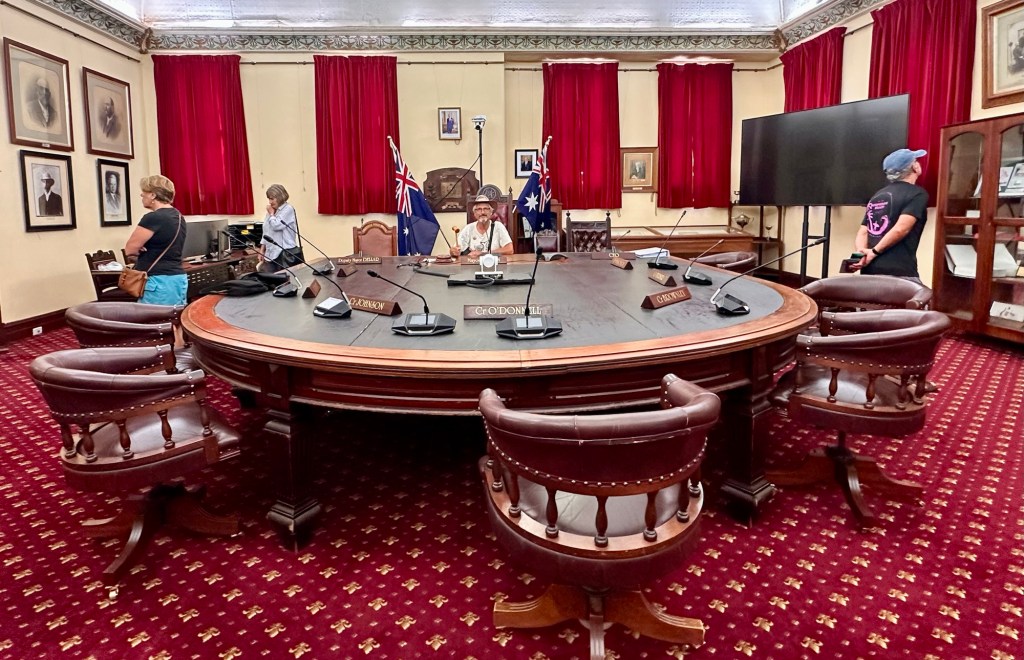
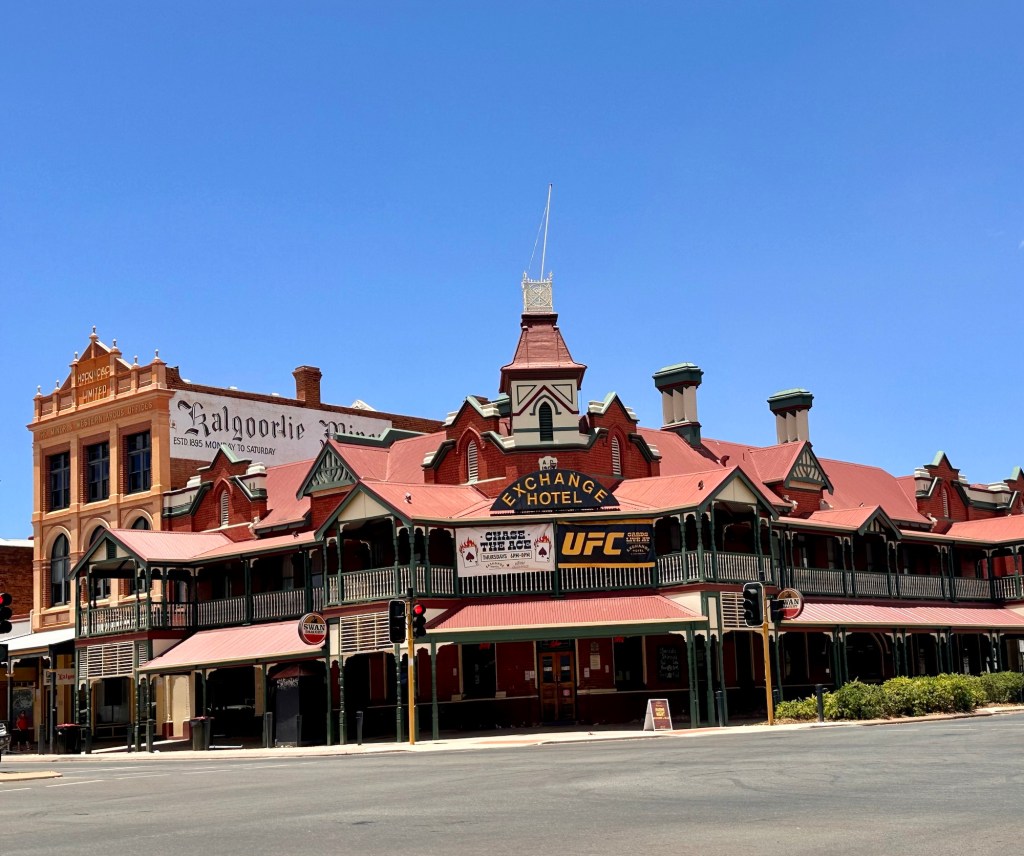
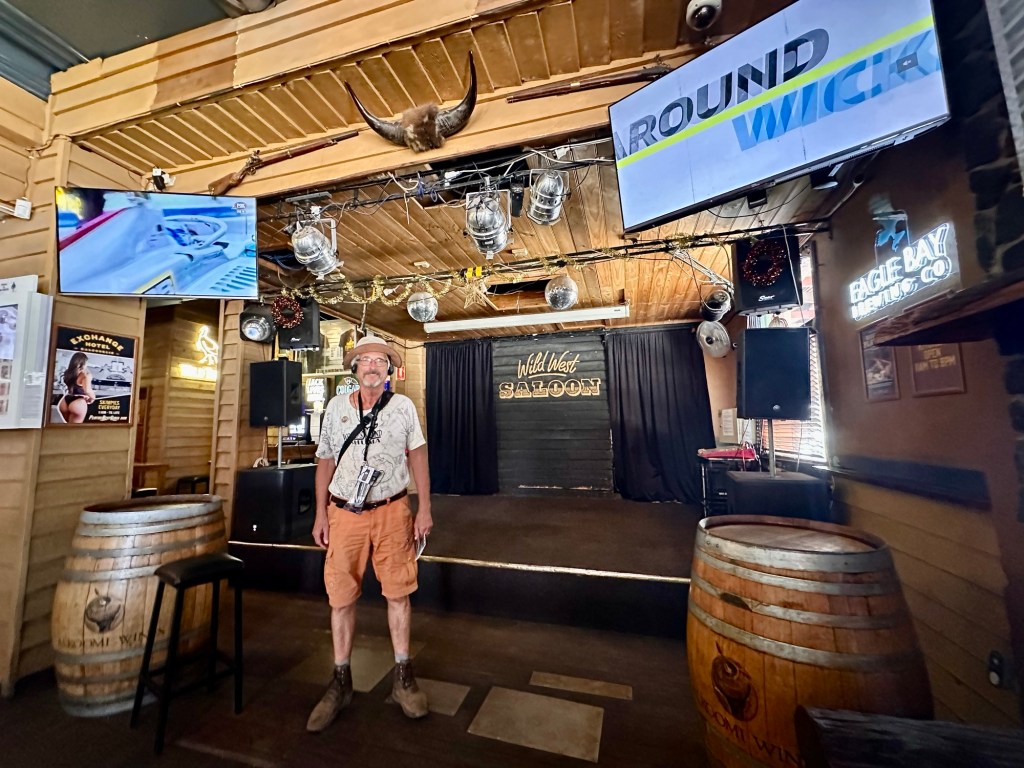
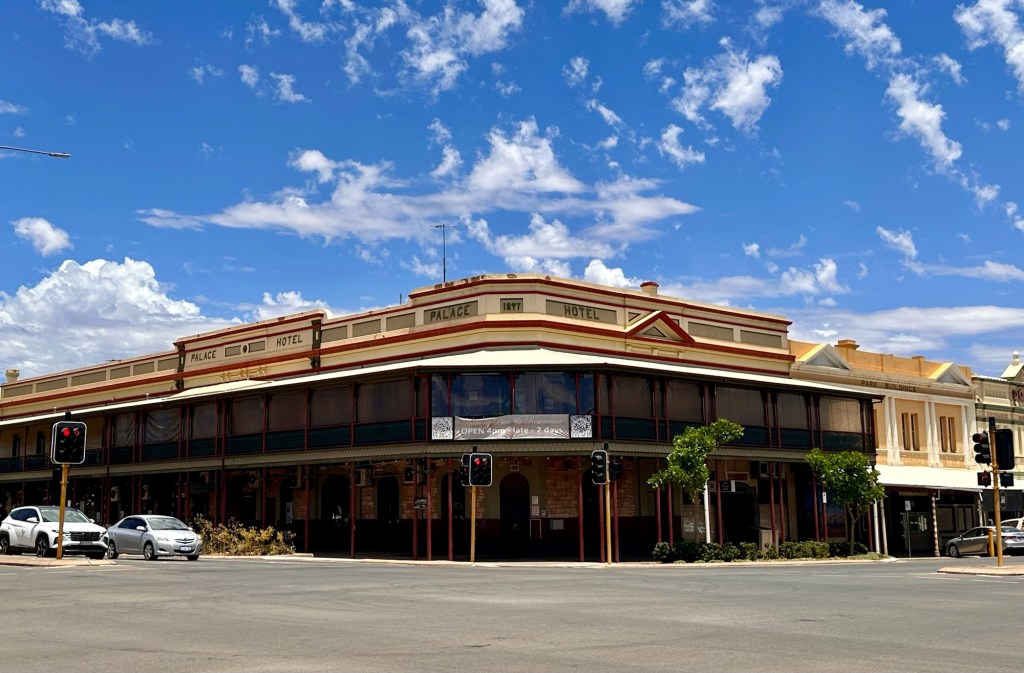
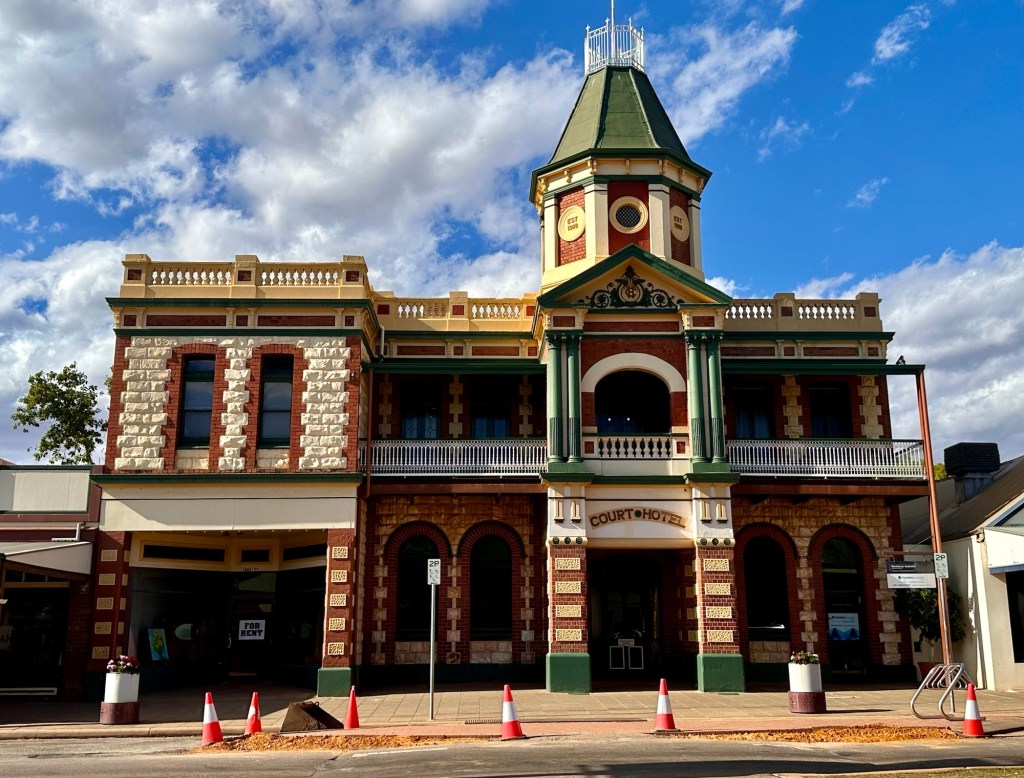
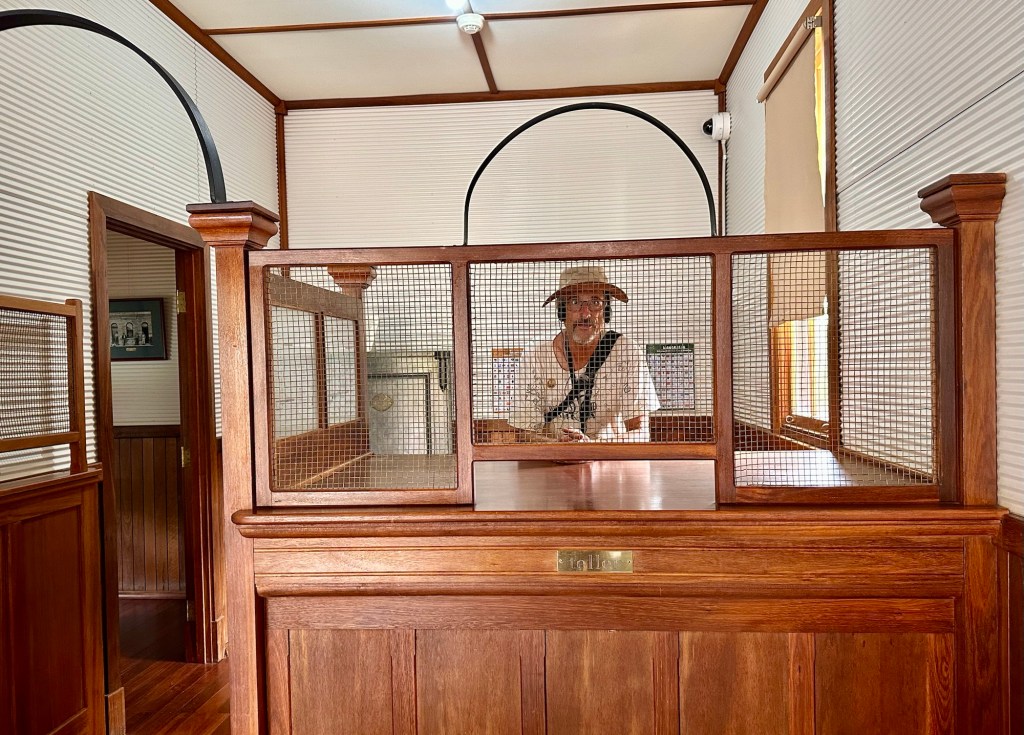
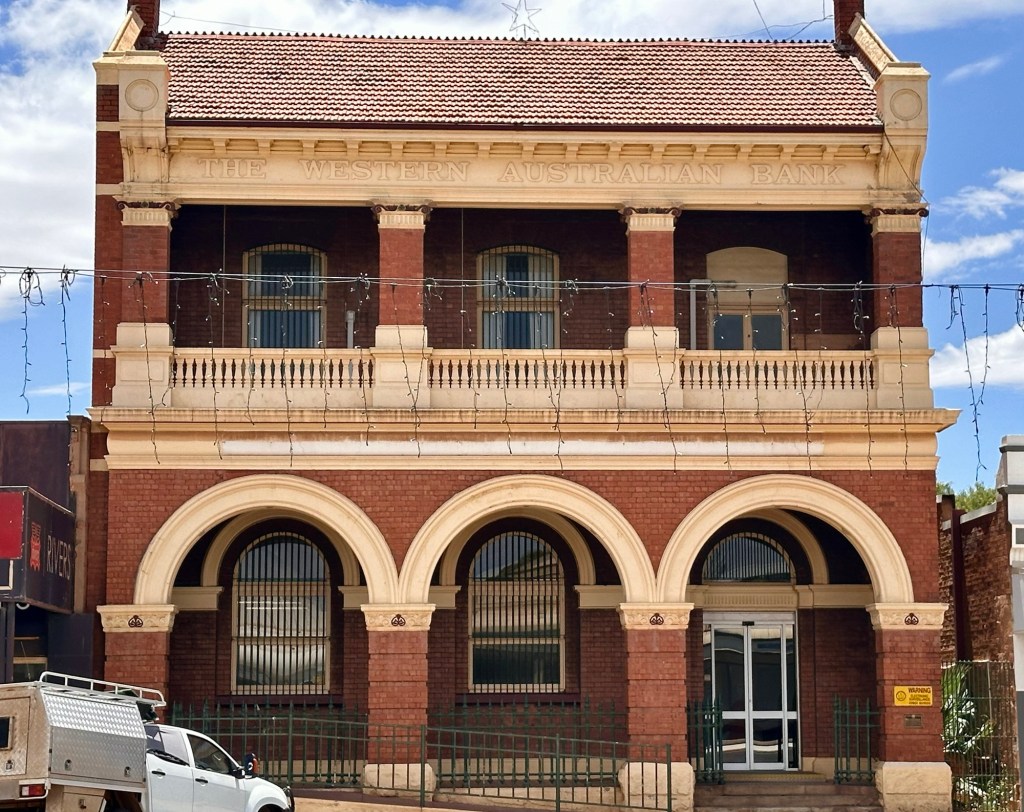
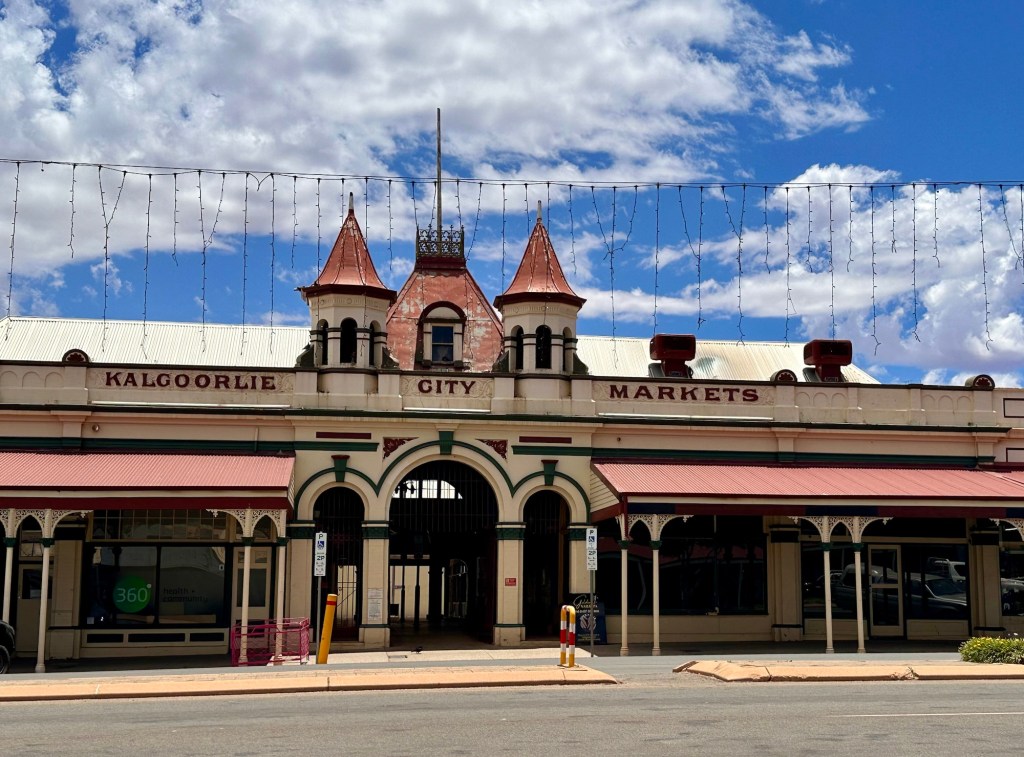
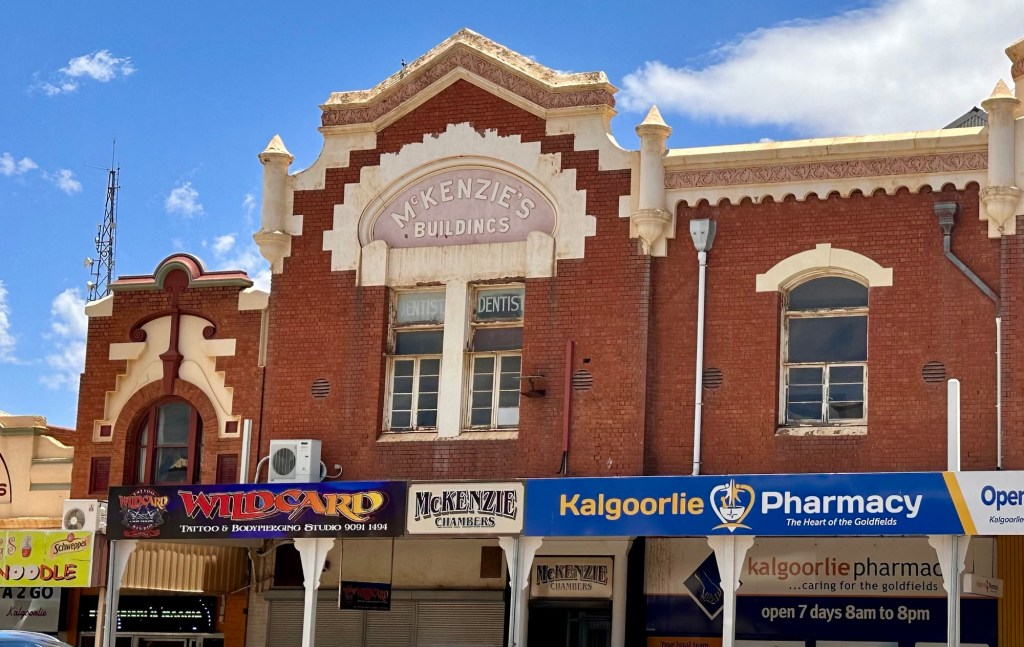
The next day we wandered the streets of Kalgoorlie and a bit of Boulder, the adjacent gold mining town. Starting with a tour of the town hall by the visitor center and armed with an audio tour, we walked along the main street. It is full of historical buildings from the beginning of the gold rush in 1894. In our experience it is the only gold mining town which had kept its grandeur. Large public buildings, many hotels and shops. The town is spruced up but unfortunately many shopping windows have closed curtains. I hope this herritage site can survive if the gold finally runs out in 2035. The nearby Nikkel mine is alteady about to close.
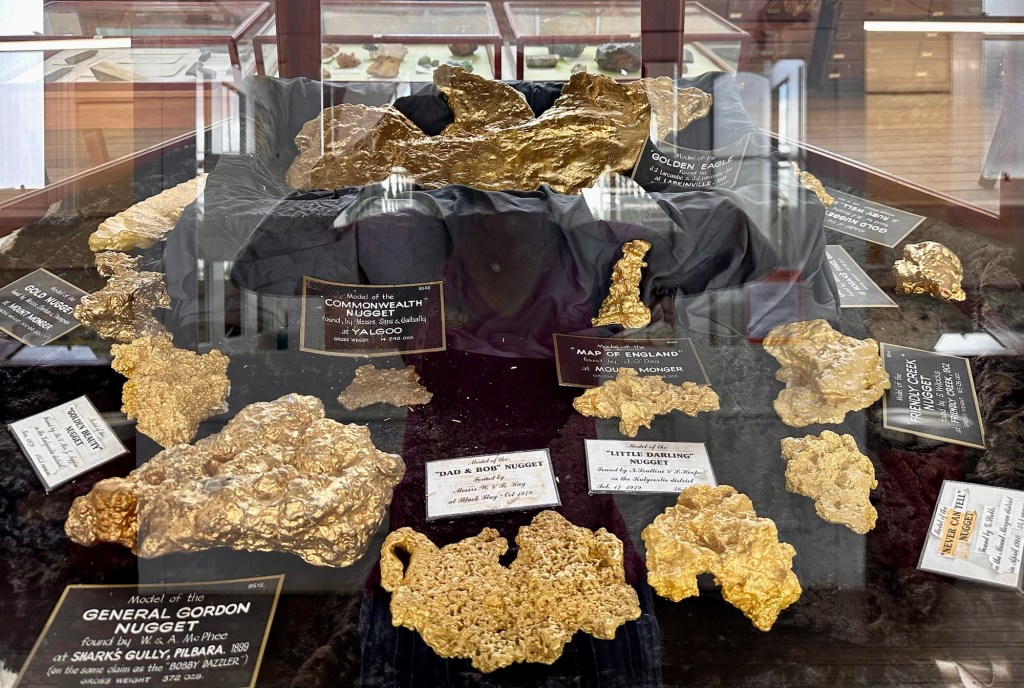
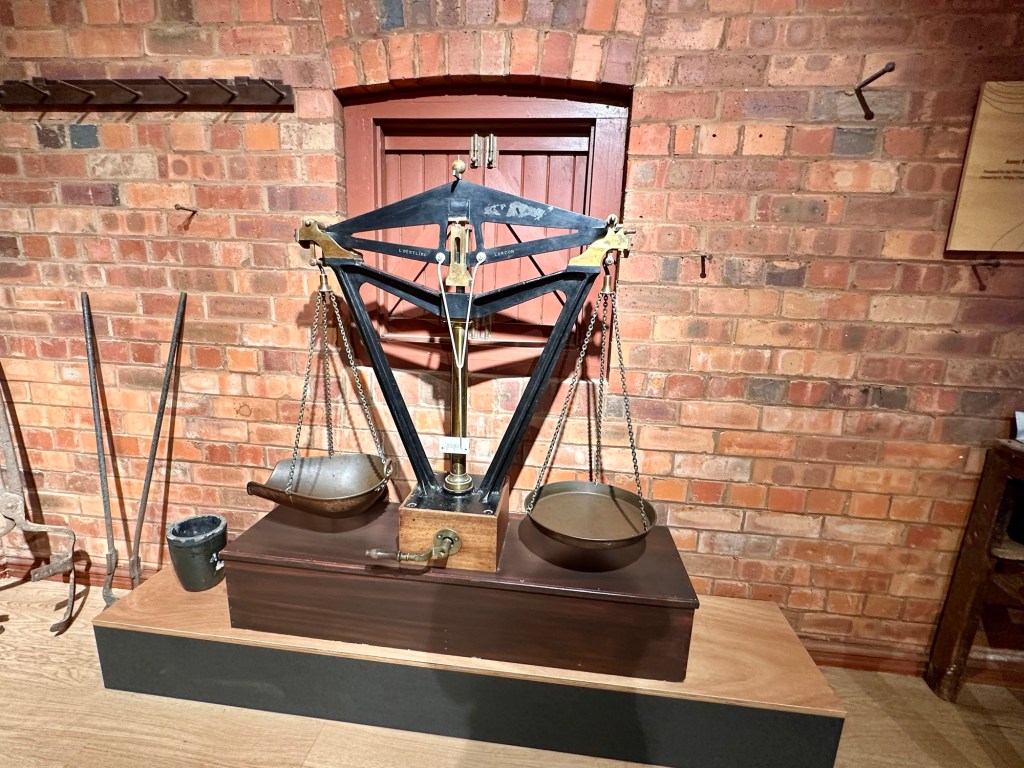
At the museum we were admiring the gold bars in the underground vault when we heard a boom and the building shook. Panic broke out and visitors went on to the street. Was this underground blasting or an earthquake? We are quite close to the super pit. It was the later. We felt 3 strong shakes and heard loud The earthquak had a magnitude 3 at 4000 m deep. Still you felt the floor moving underneath you. The museum staff was also a bit confused.
After a short visit to the less impressive main street of Boulder we drove back to last night public campsite. It was a hot day today but in the evening it cools down and the wind is moderate, cool and refreshing. Before coming back to the campsite Rudy finally had a haircut (Jamaliah has been bugging him about this for a long time) and Jamaliah got her nails done (again).
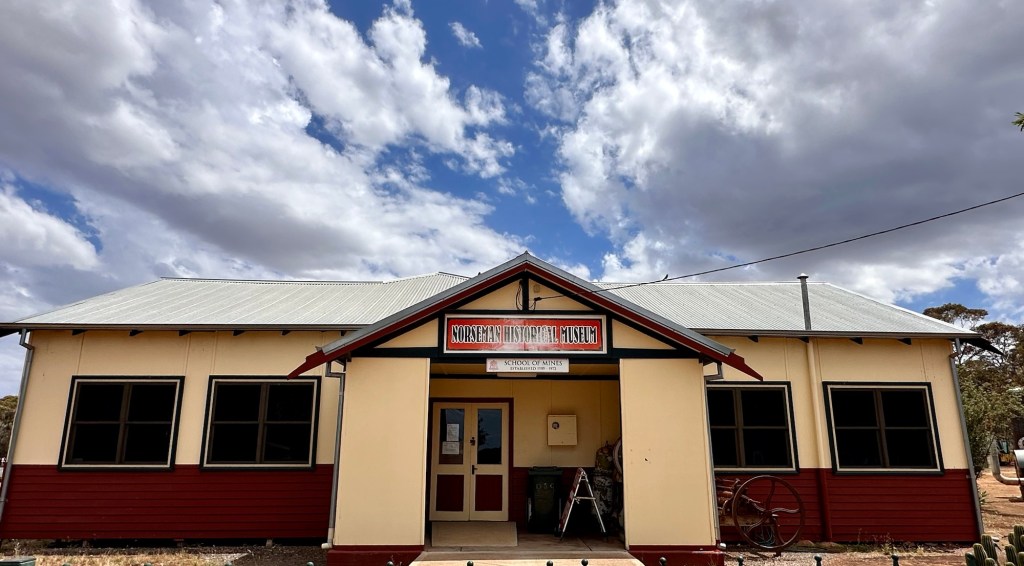
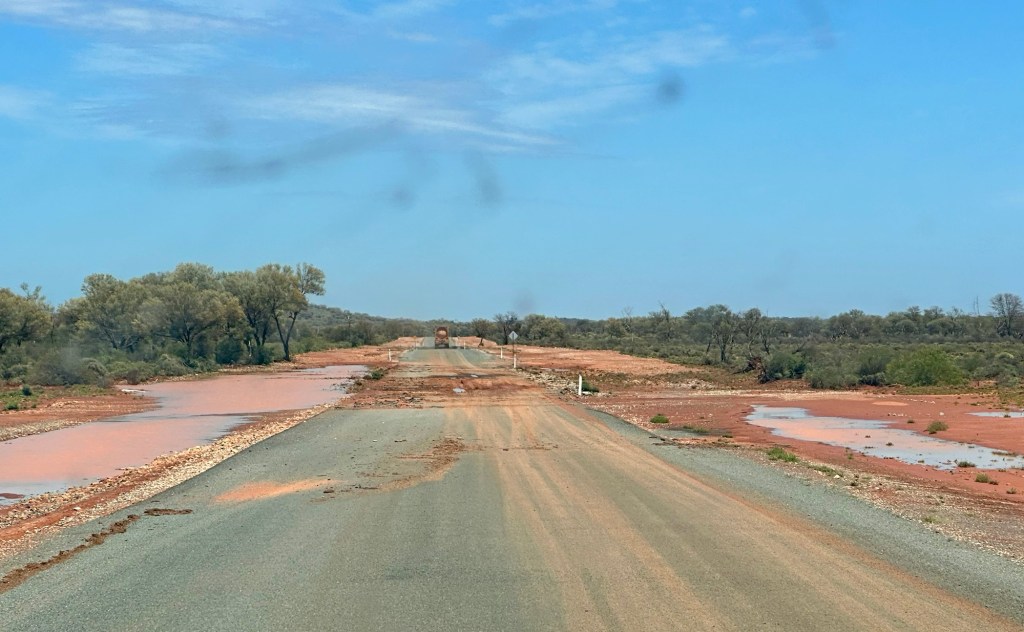
We left Kalgoorlie and drove North to Leonora. Another mining town 240km away. Apparently they had a heavy thunderstorm last night and we noticed this when several parts of the main road were flooded. In Leonora we wandered along the main street (after having a great chat with the lady at the visitor center). Not much to see here. Our intention was to spend a night at the historic Hoover House in Gwalia but it was fully booked till Friday. Hoover house was the former residence of H. Hoover, the 31st president of the US. He worked as a mining engineer here before his political career. Instead we made a tour of the historical museum with a very knowledgeable lady caretaker. She also showed us the inside of the Hoover house. Hoover was only 24 when he was here. He changed the mining practices and working conditions. Profits went up and so did his career.
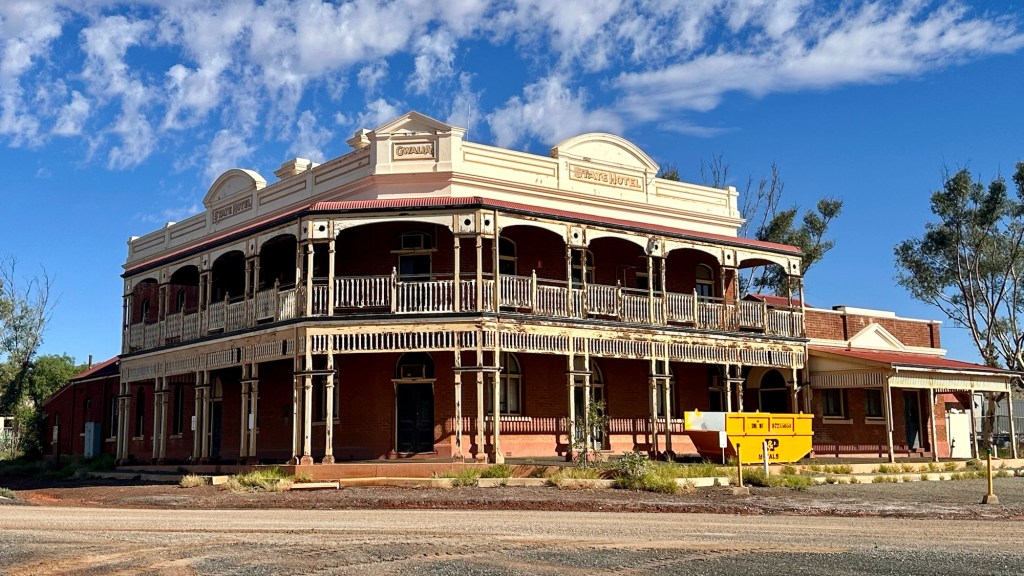
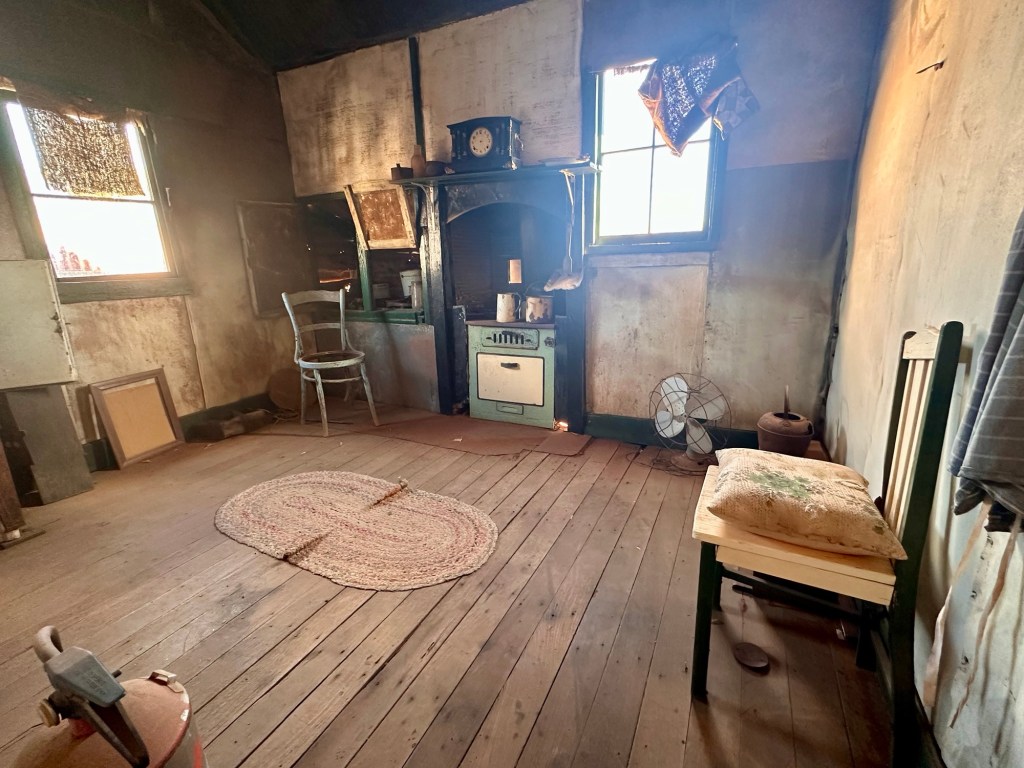
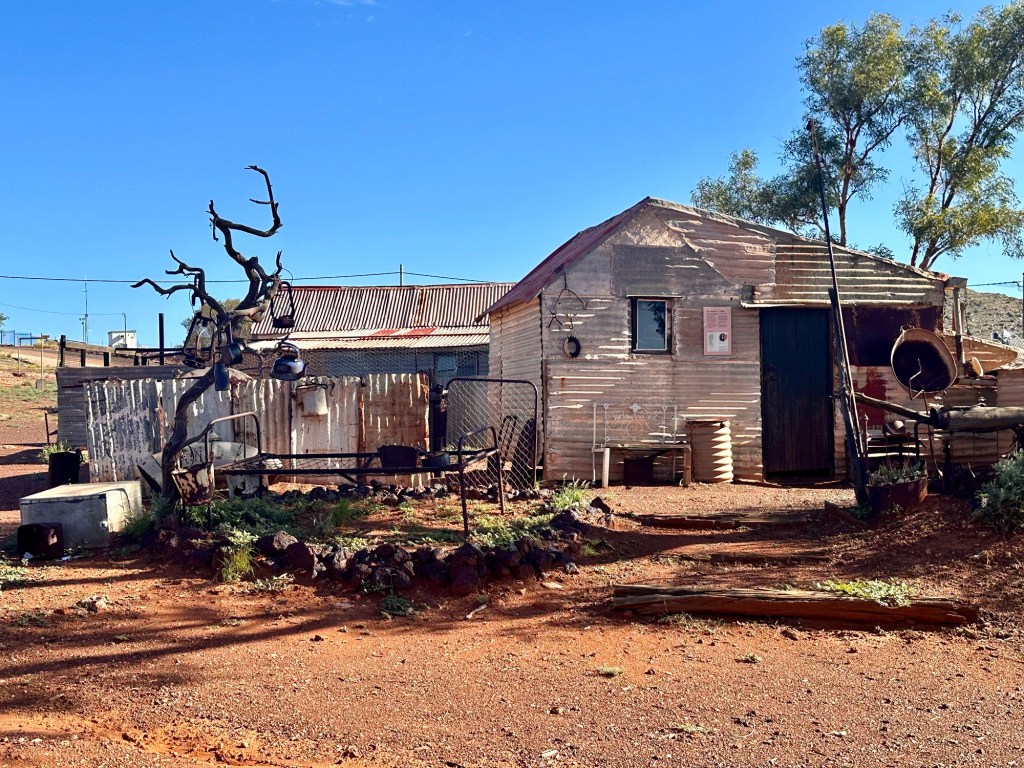
We did a walk in the ‘ghost town of Gwalia’ (albeit restored, miner’s cottages) of early mining from 1897 to its closure in 1963. The cottages were made of corrugated iron. With flimsy walls on the inside. Most were painted in pastel colors like back home in Italy. The “Sons of Gwalia” mine started in 1896 as an underground mine till its closure. Later it was reopened as an open pit and now that the pit is too deep underground again. The ore goes down to over 2000 m. There is enough there for a long time.
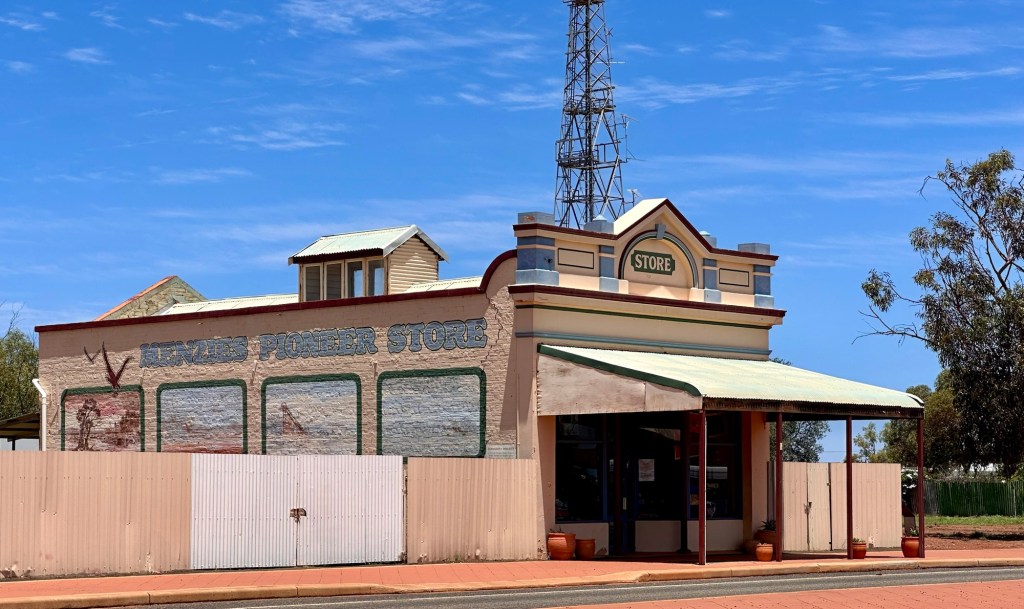
There was no reason to stay longer so we drove back south and stayed overnight at a caravan park in Menzies. Time for shower and general cleanup. Also we had power and could use the aircon. No wind tonight and the temperature stays above the 20s.
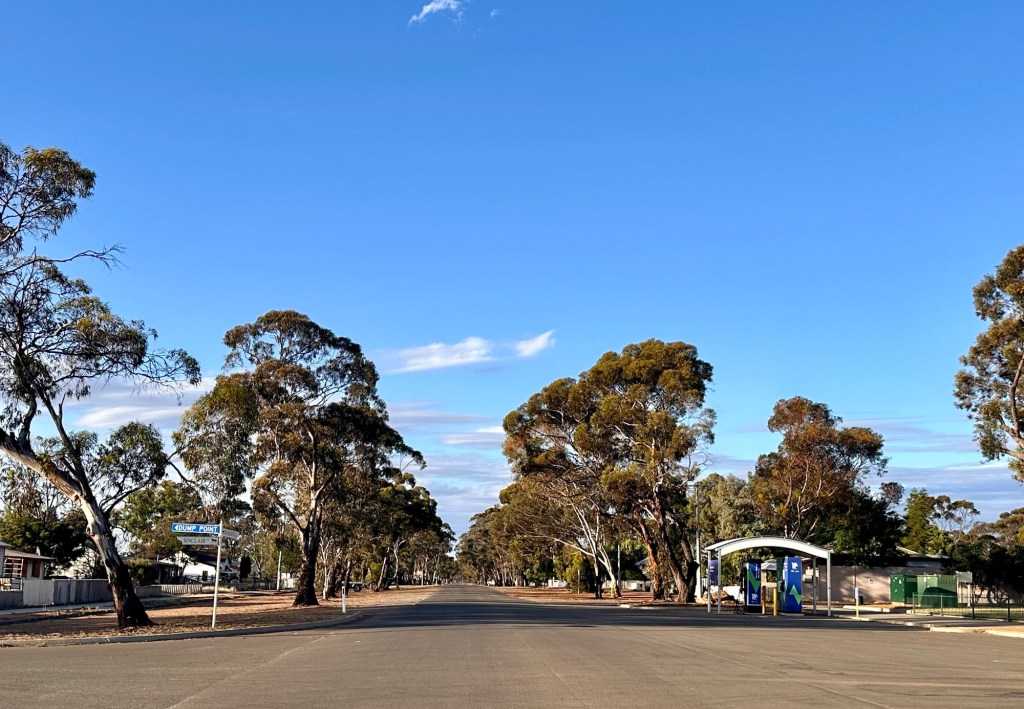
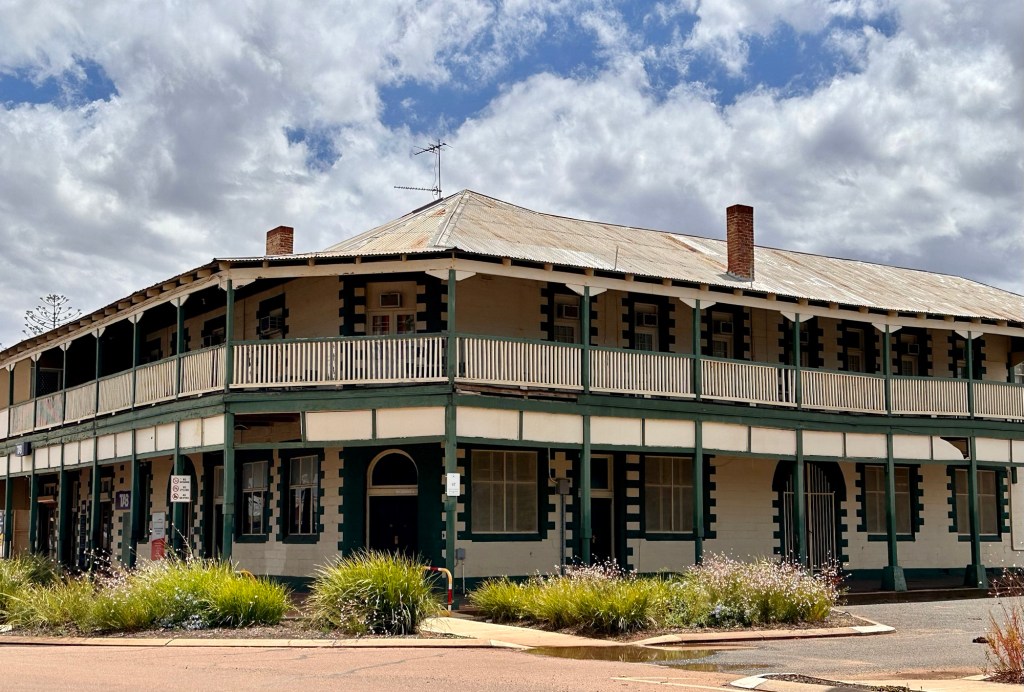
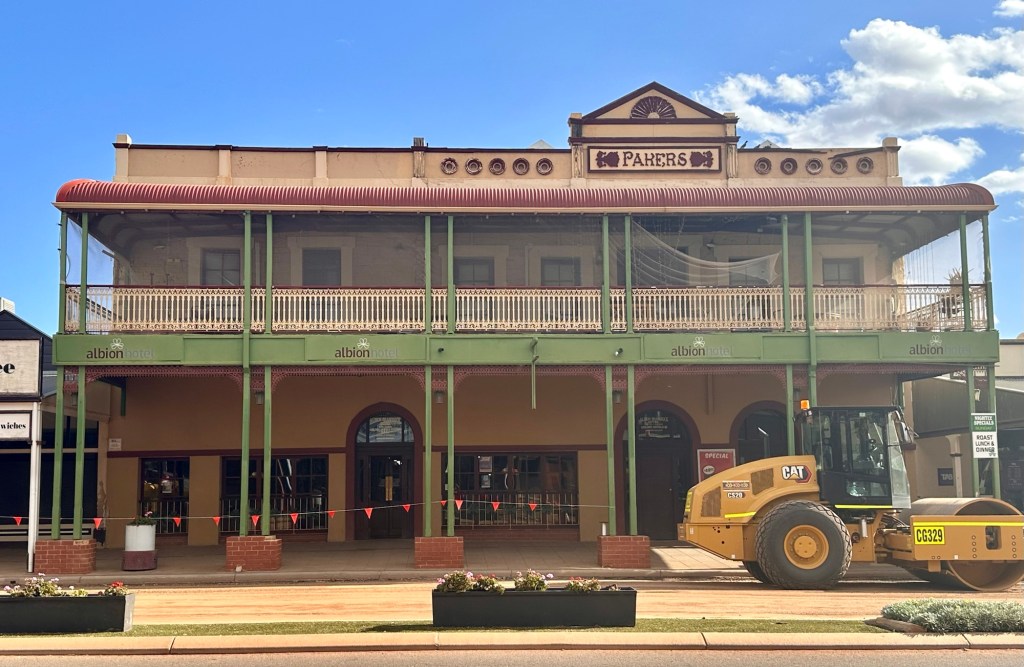
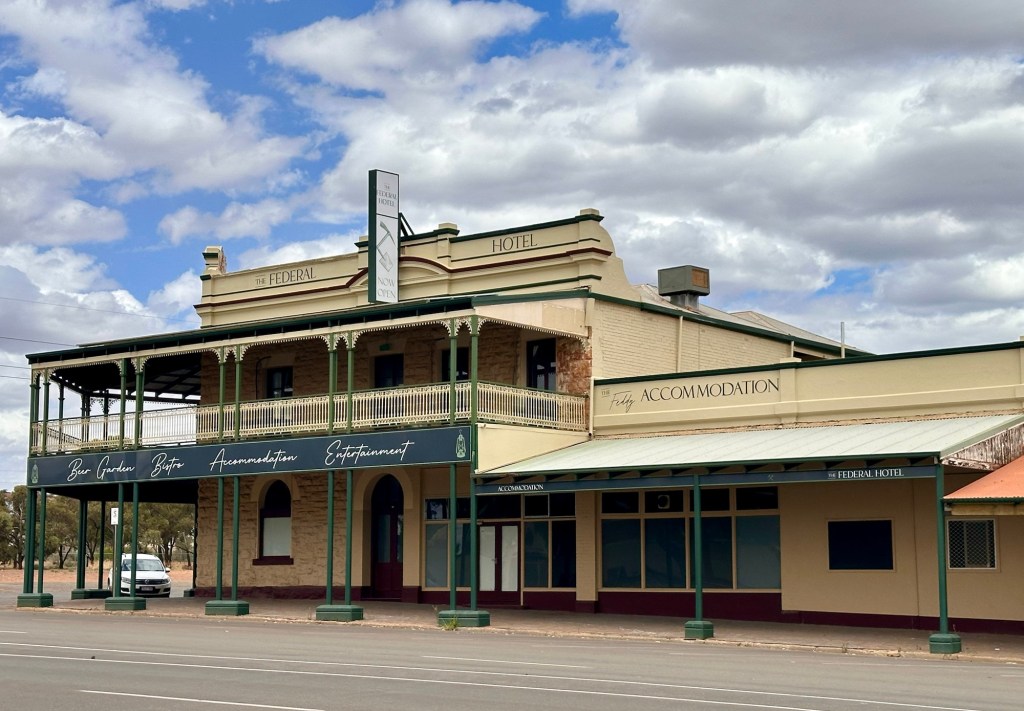
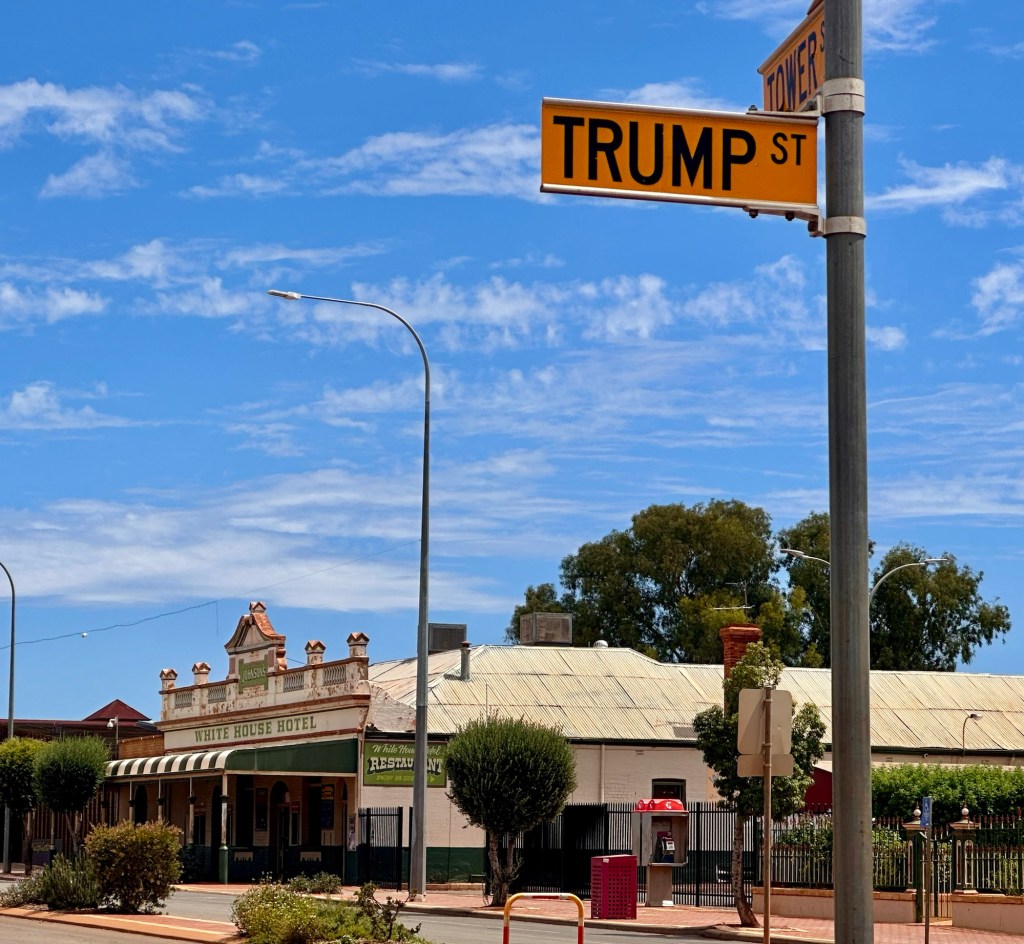
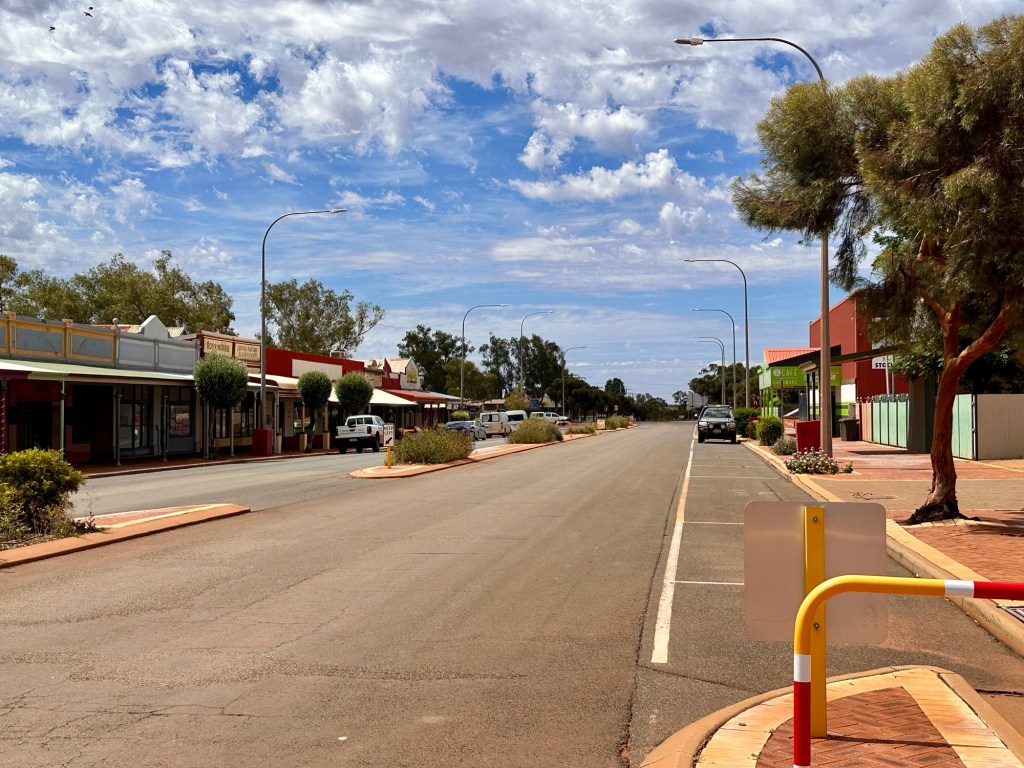
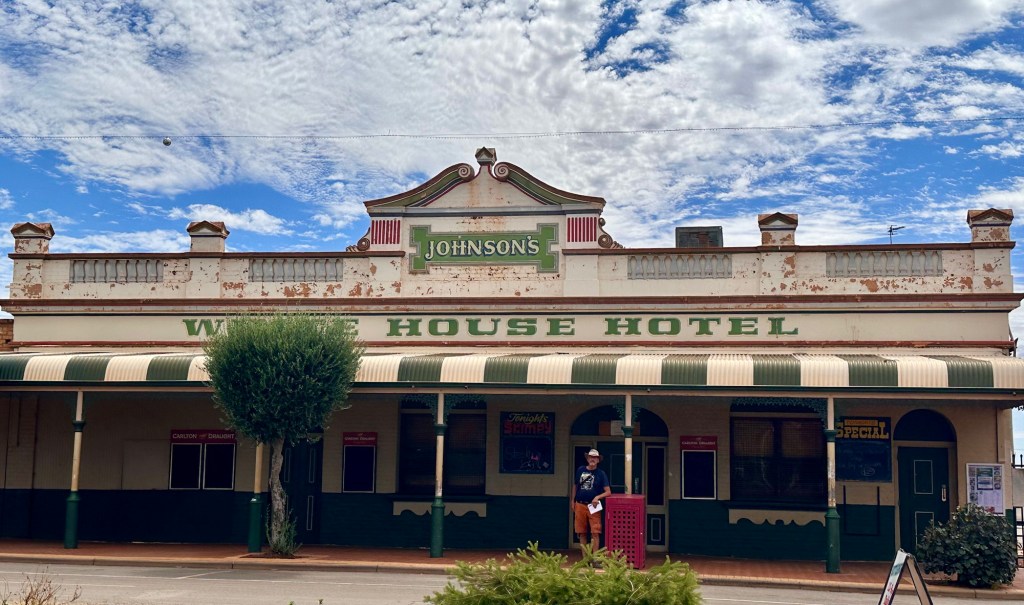
Not much is left of the mining town at Menzies only a few old buildings remain and one of the old hotels has recently closed due to structural problems. Ever since the fly in fly out practice for mineworkers has started, all these small towns have de-populated and Perth grew. Pity. It should be the government priority to spread the population over the land as much as possible instead of bunching them up in ever expanding city suburbs . Introduce a good swimming pool, community hall, sport facility and primary school and I would think families would move back to these towns. Just having men staying in there week on in a hotel or caravan park does not make a town live-able. One of the reasons why this may not work is the carrier of the partners. Is there enough suitable work for both partners in mining towns. Maybe not is a small one but Kalgoorlie shopuld be big enough.
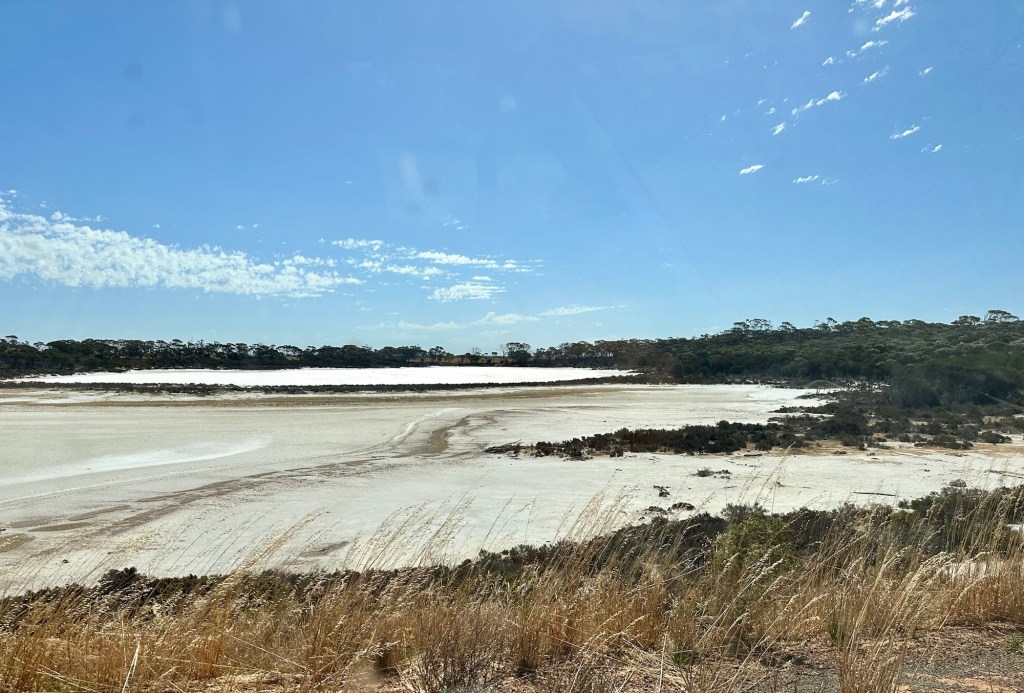
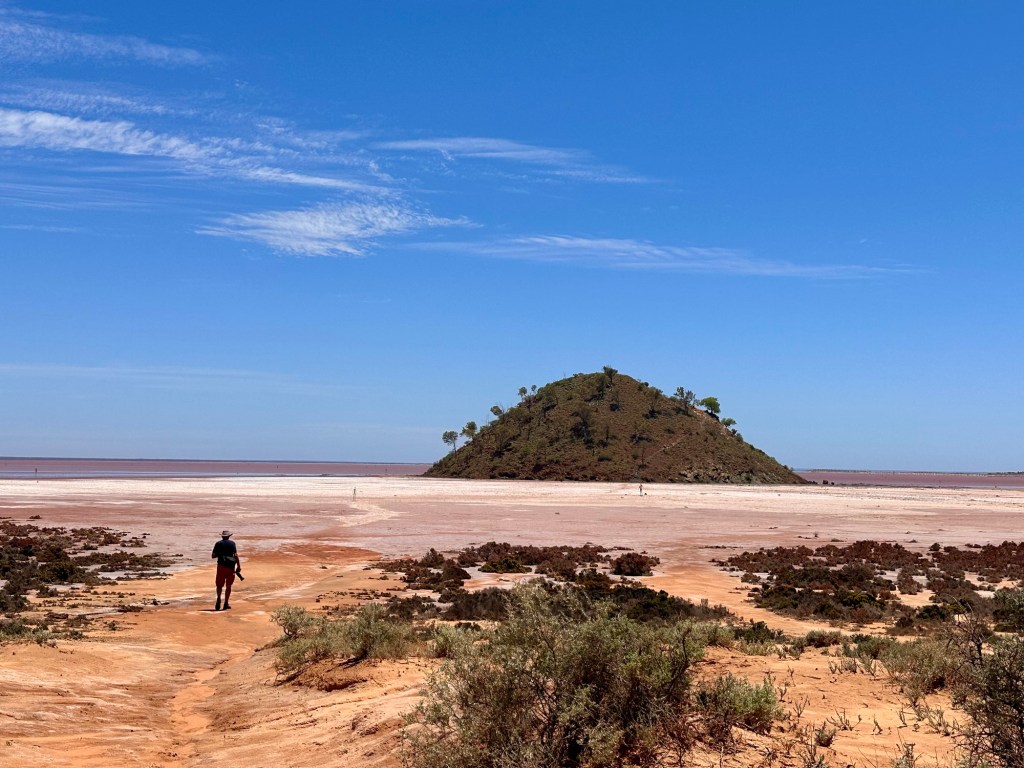
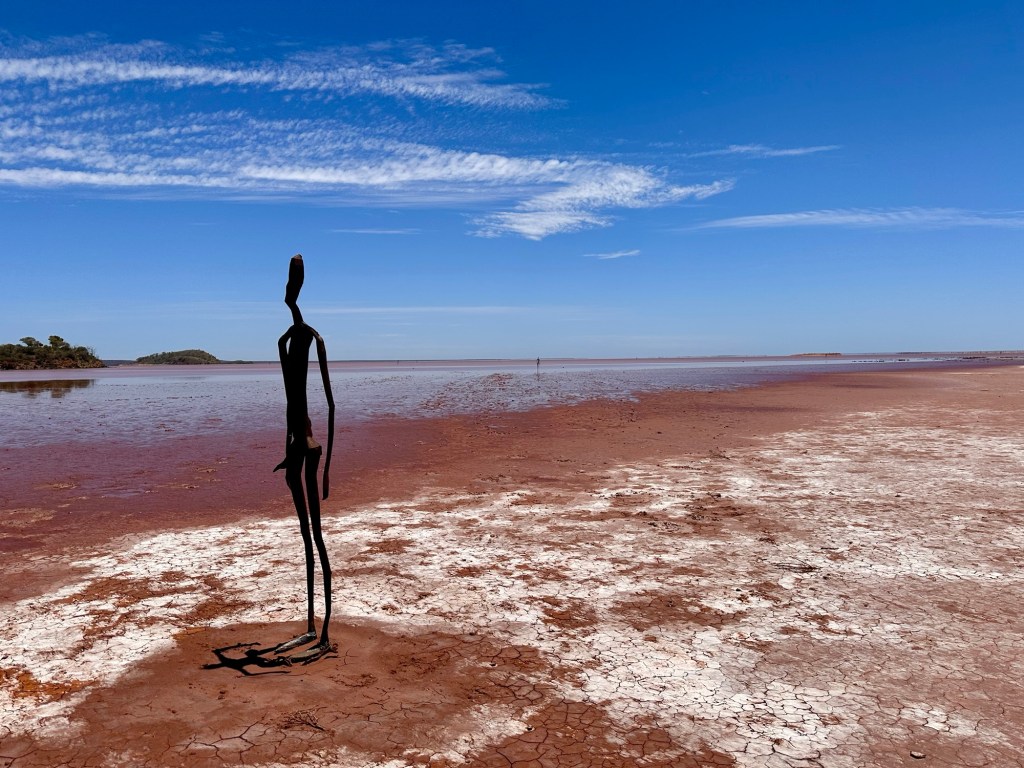
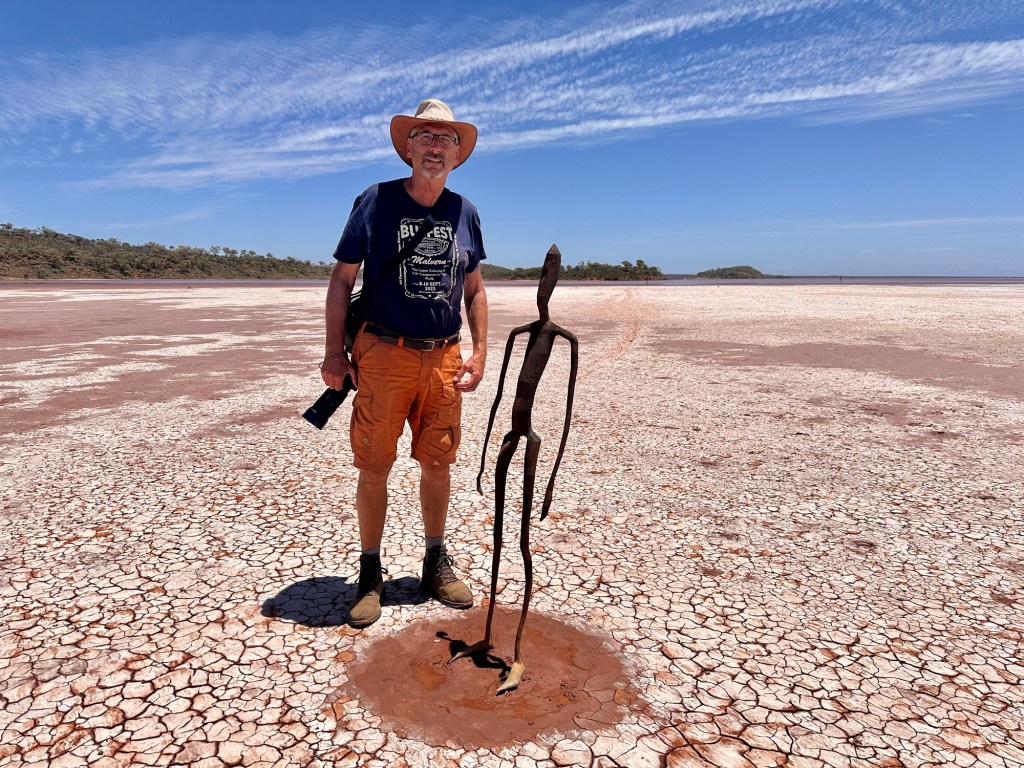
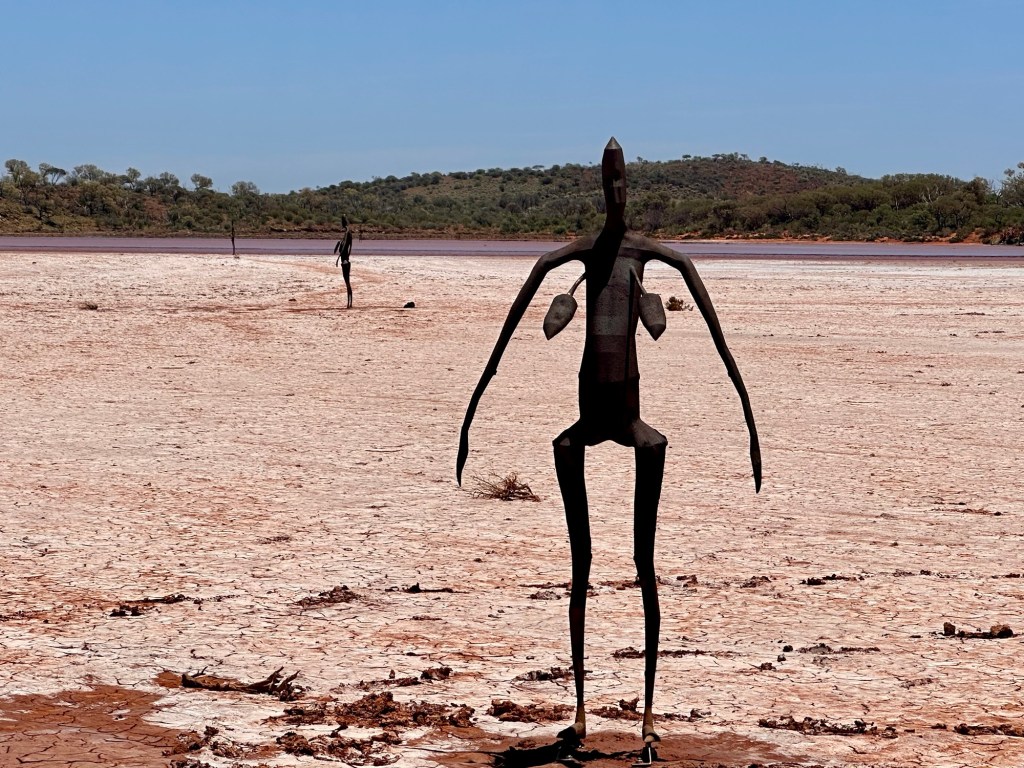
We drove 50 km inland to Lake Ballard. This is a salt lake where a British artist ( had placed 51 surrealistic statues of local people spread out over the lake, titled Inside Australia. Not all rainwater has evaporated so we could not walk everywhere without getting bogged in water. Some sections were also very slippery.
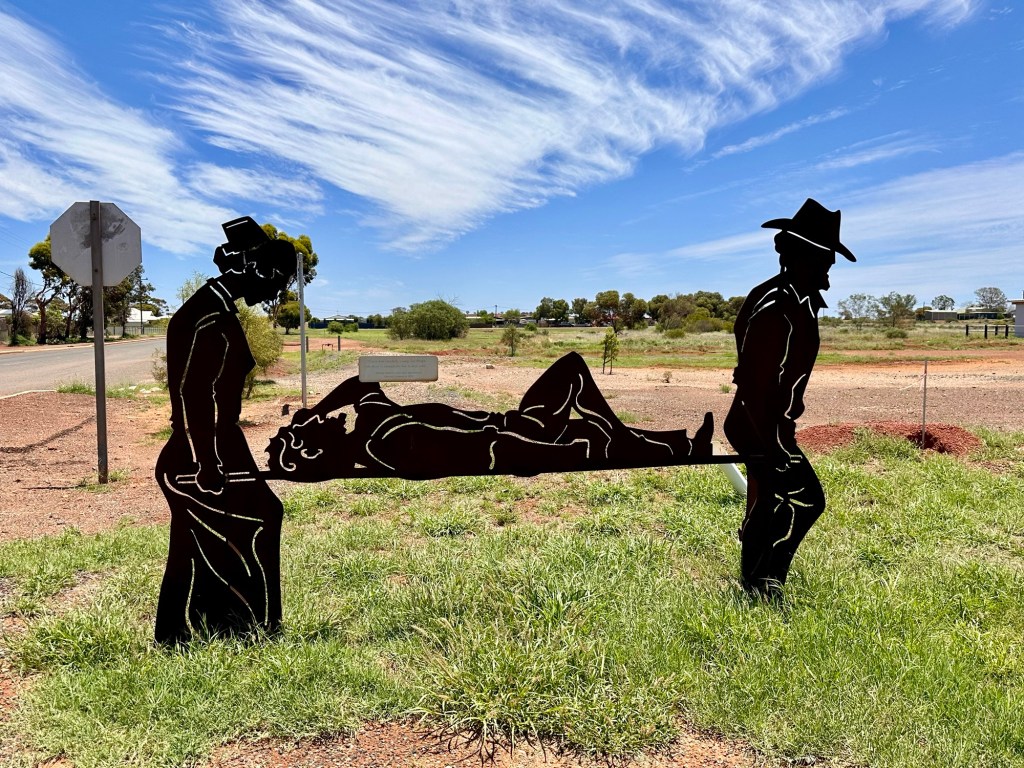
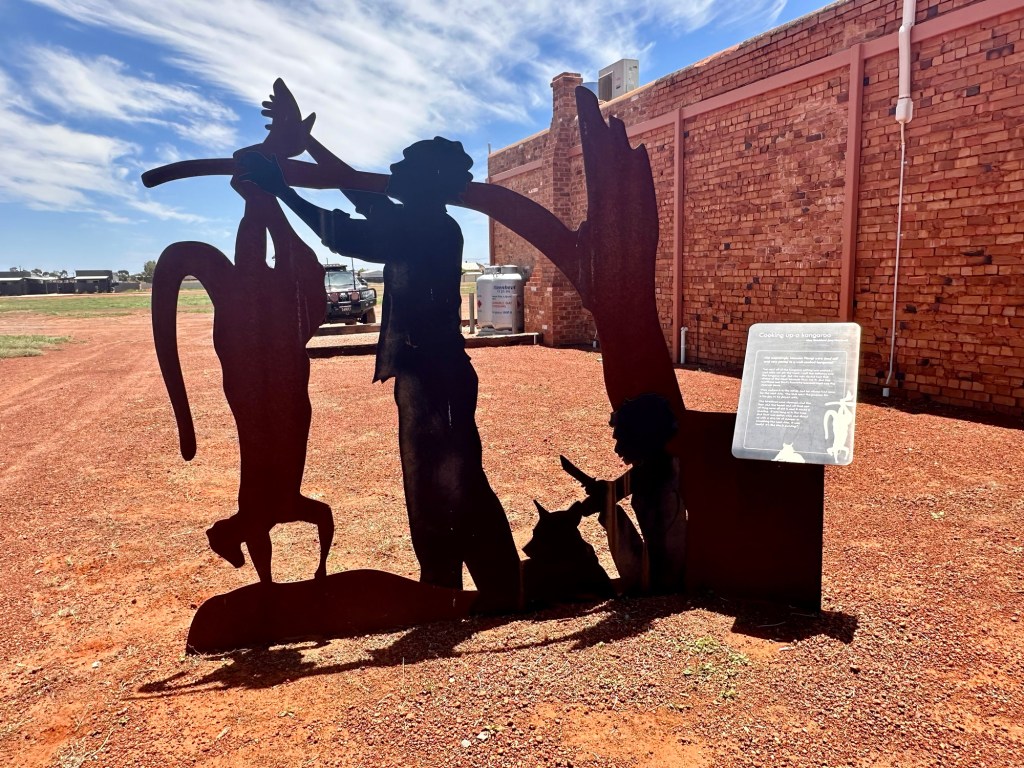
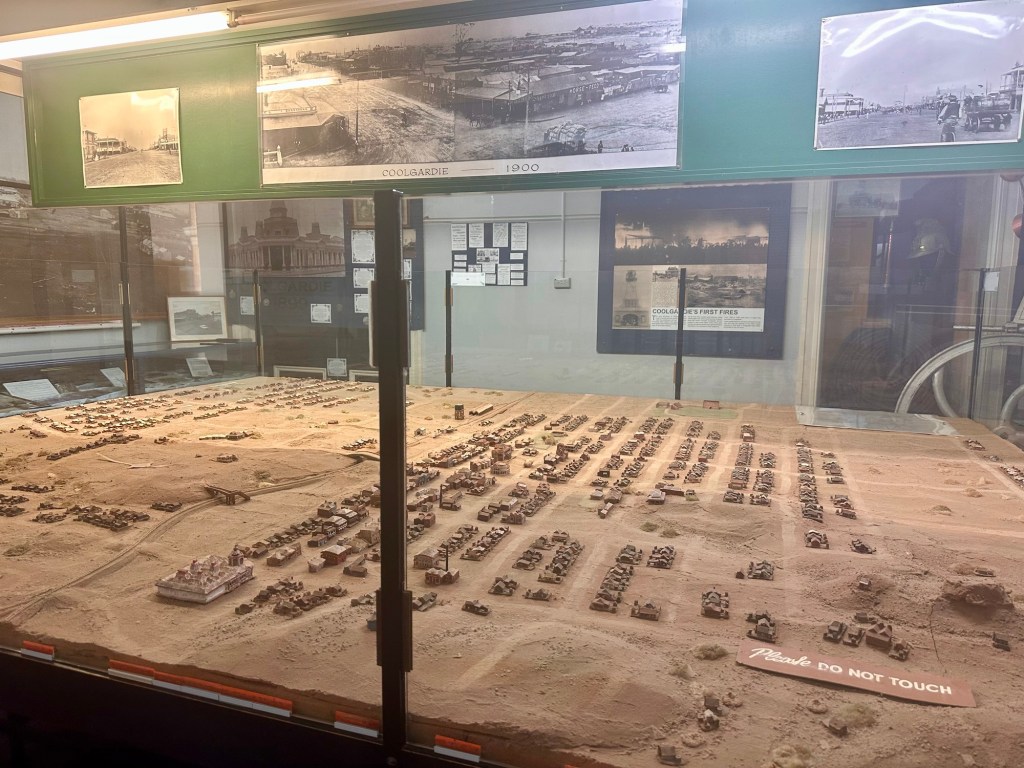
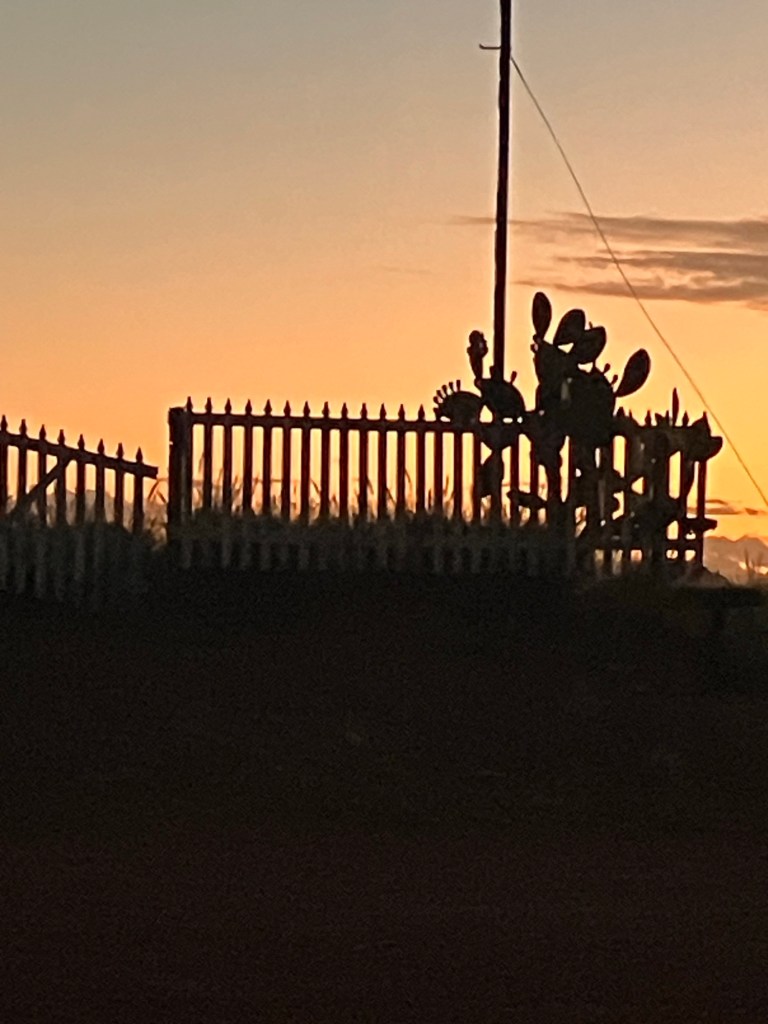
After having late breakfast in Menzies cafe and Jamaliah taking photos of the early life scenes casted in iron, we drove on back to Kalgoorlie and on to Coolgardie, Mother of the Goldfields.
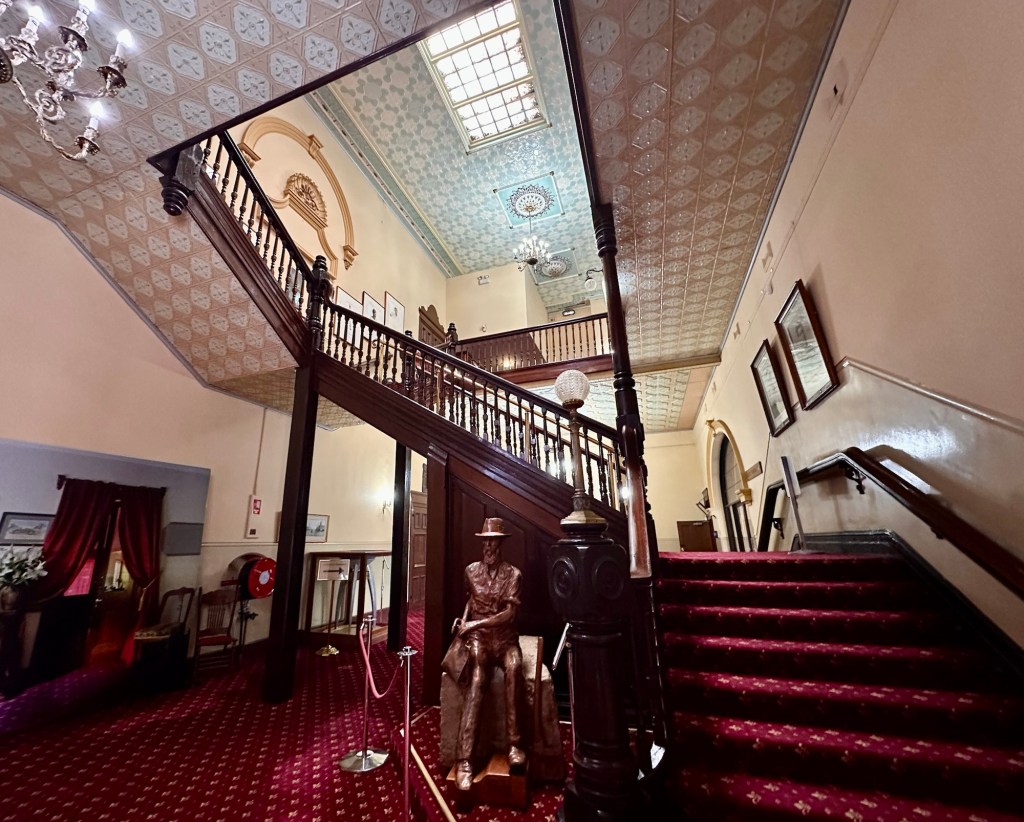
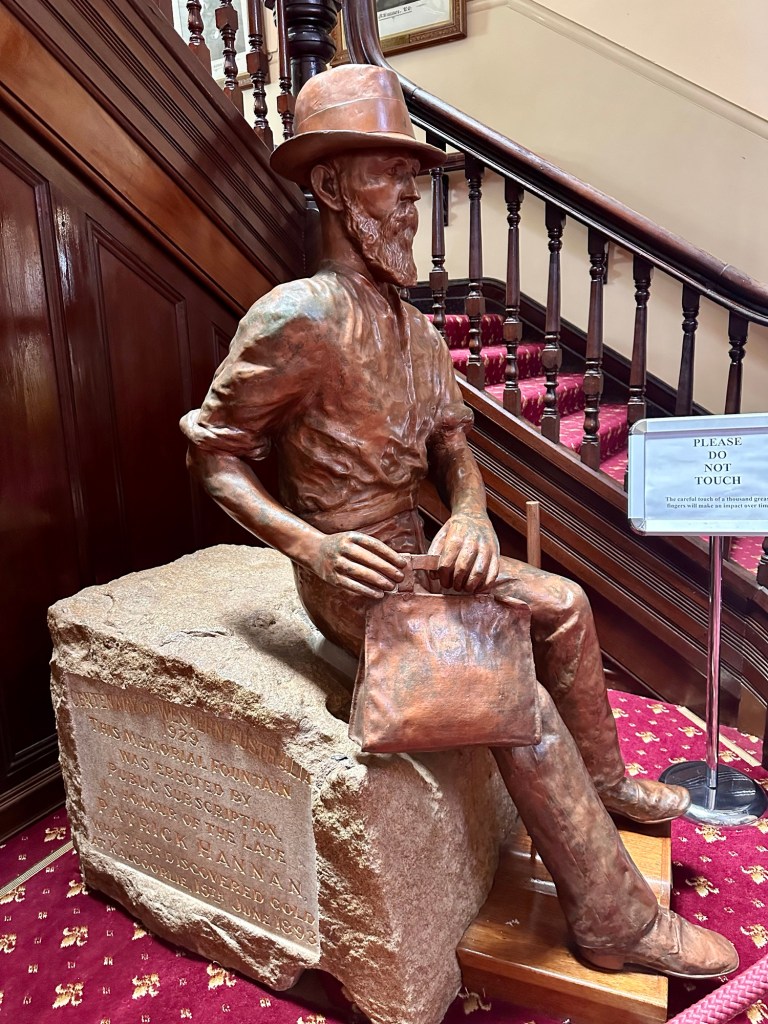
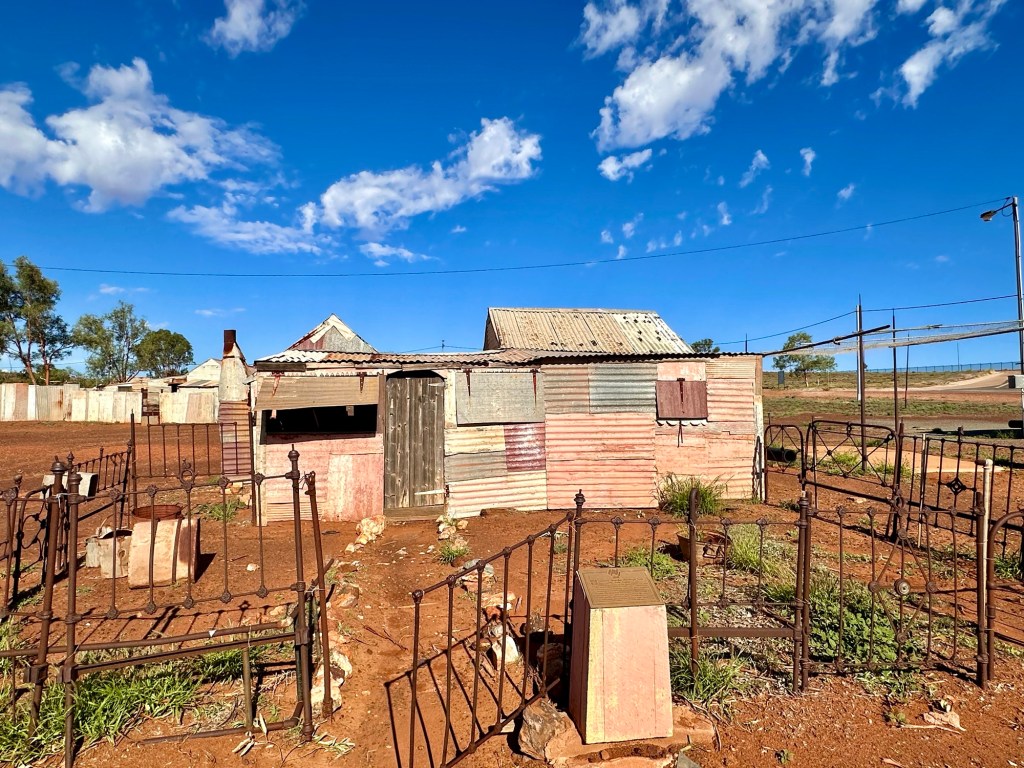
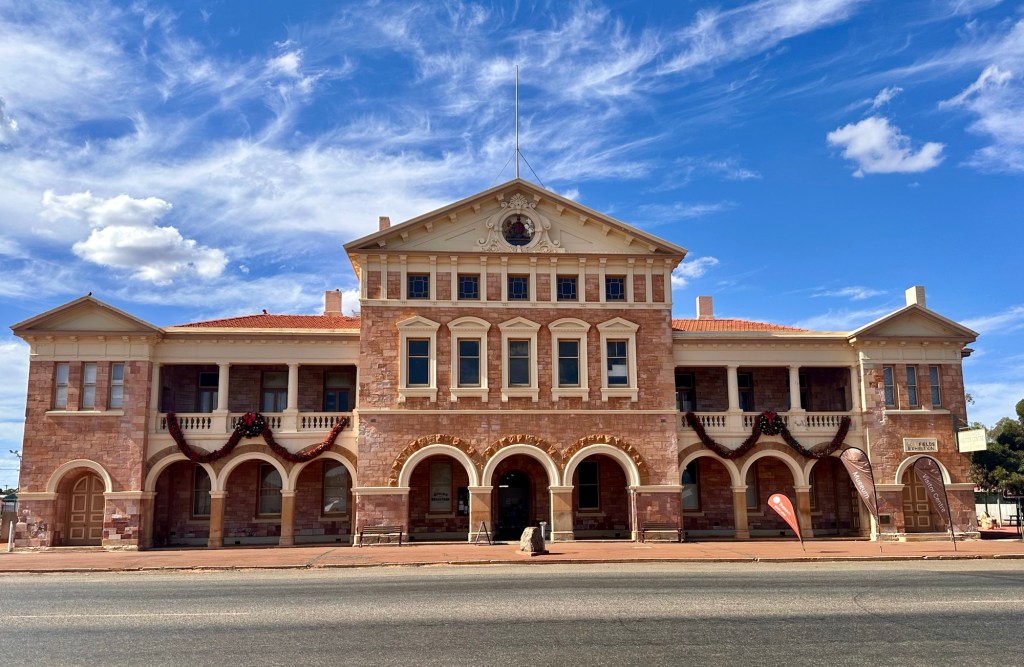
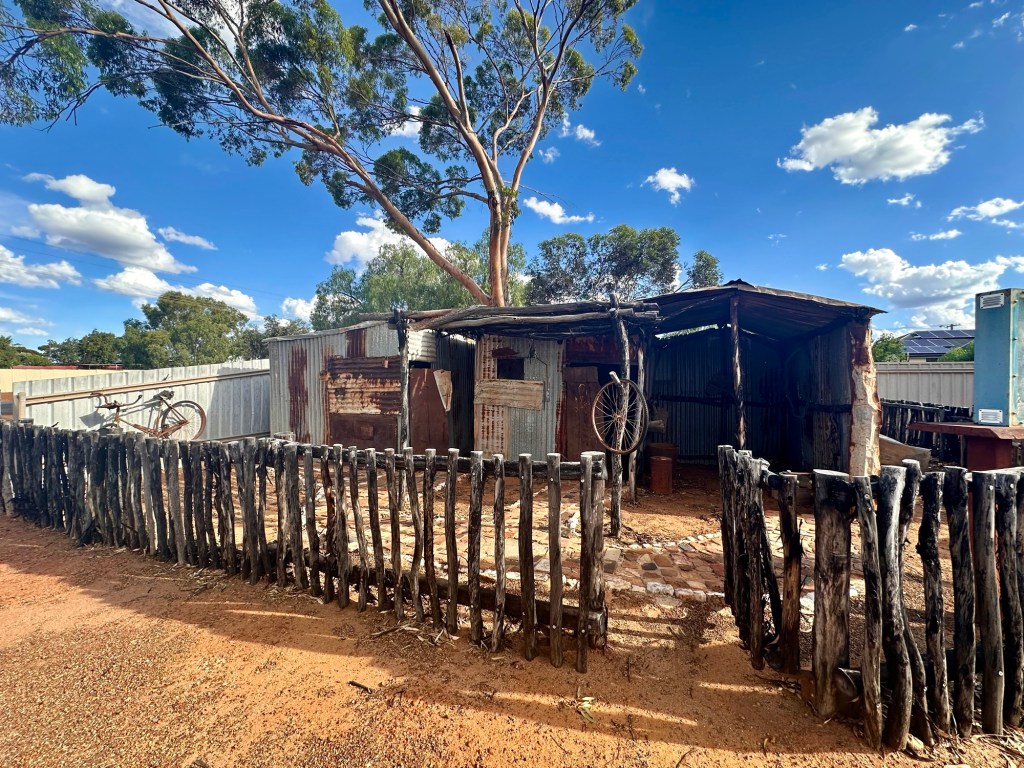
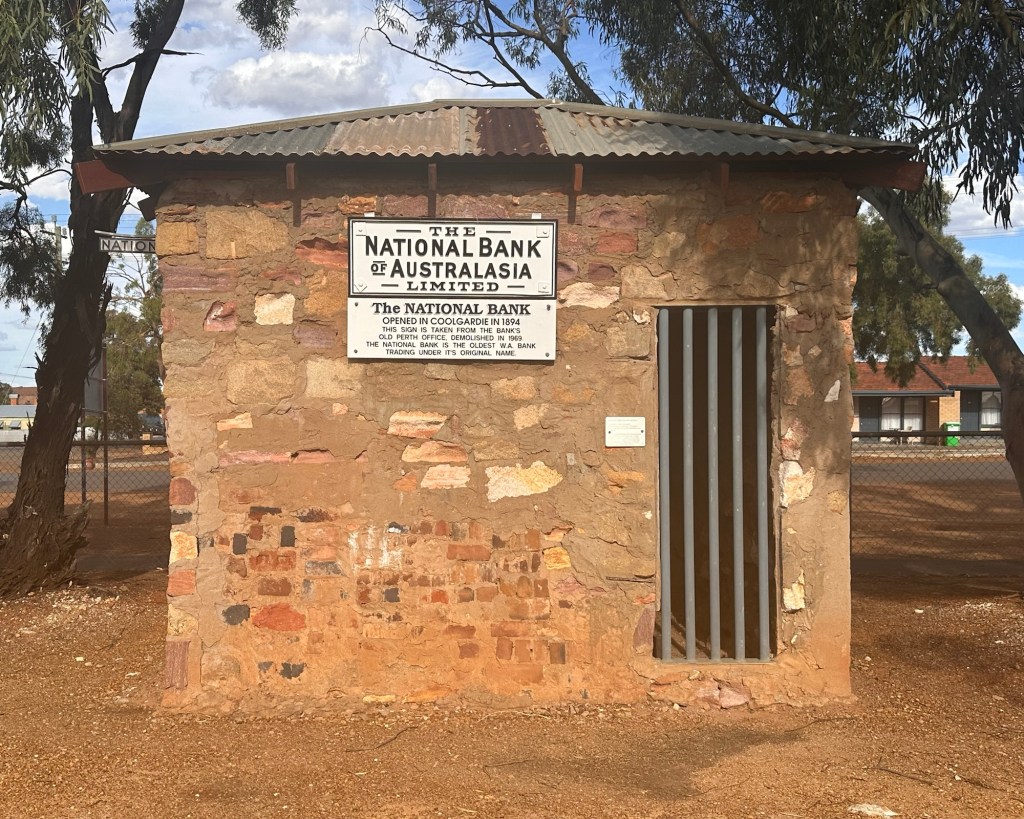
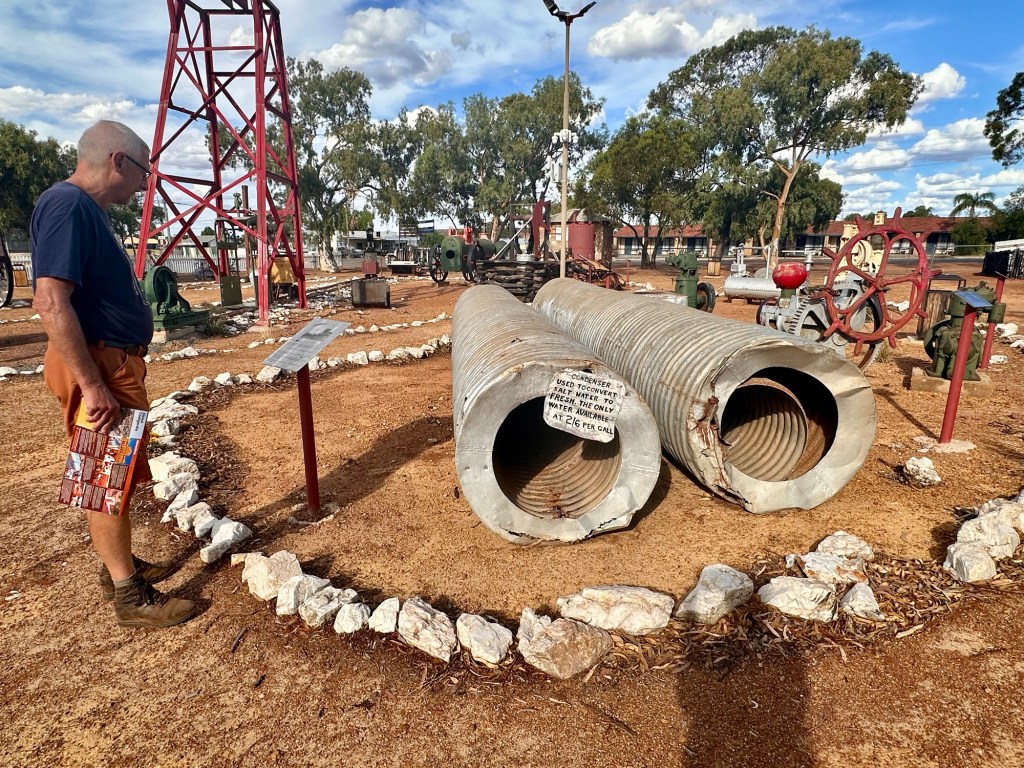
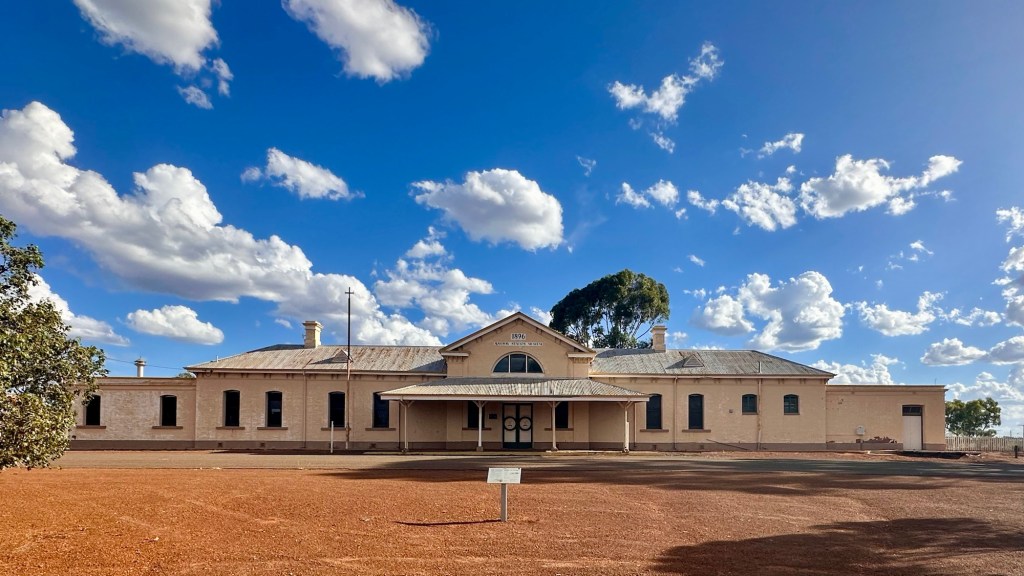
In this town the first substantial gold find was made in 1892. The town grew quickly to 15.000 people. Only to rapidly decline to 400 people now. By 1920 most have left. Also here only a few buildings remain to show the wealth of the gold boom.

















 Rudy Welling's Travels