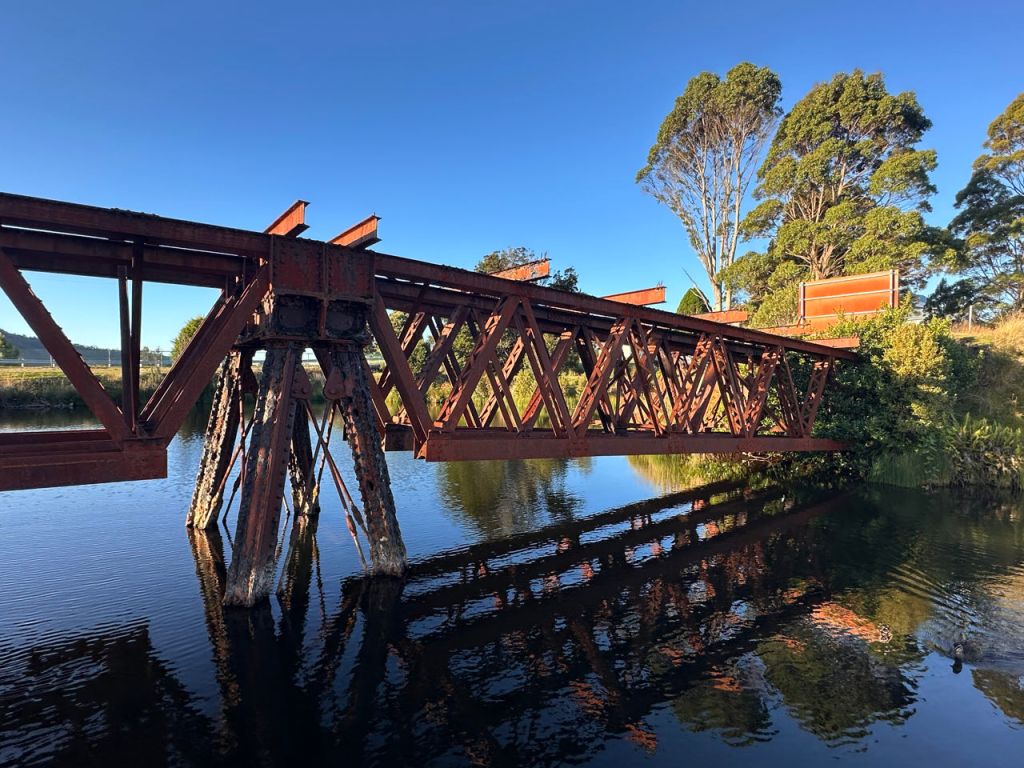
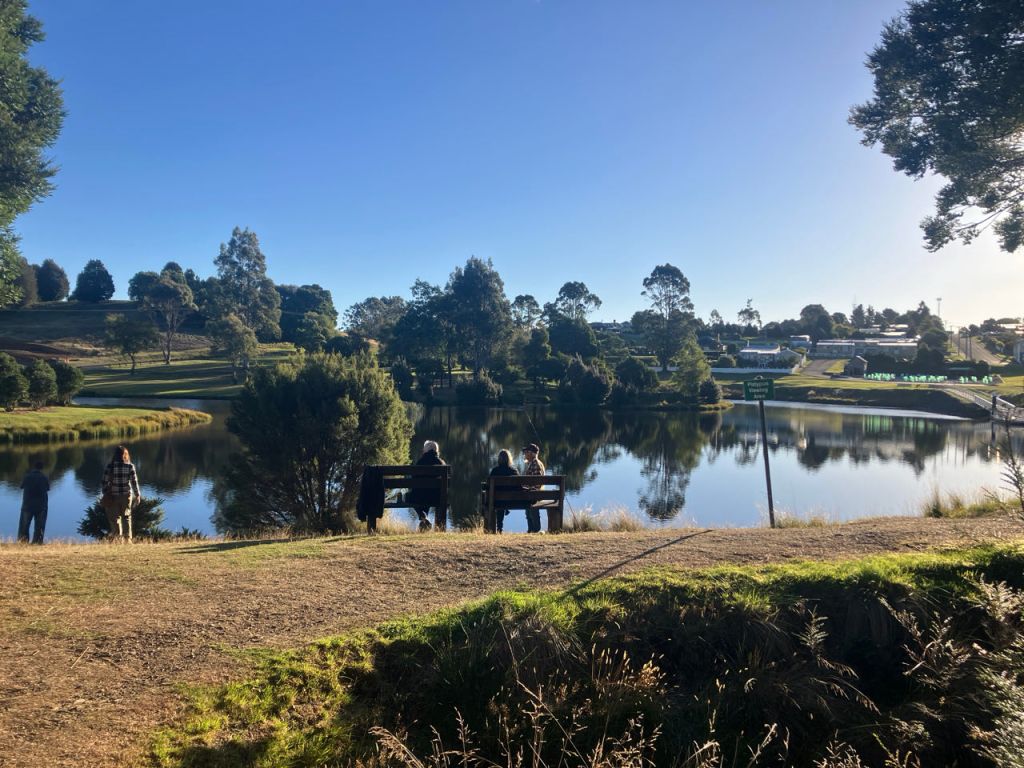
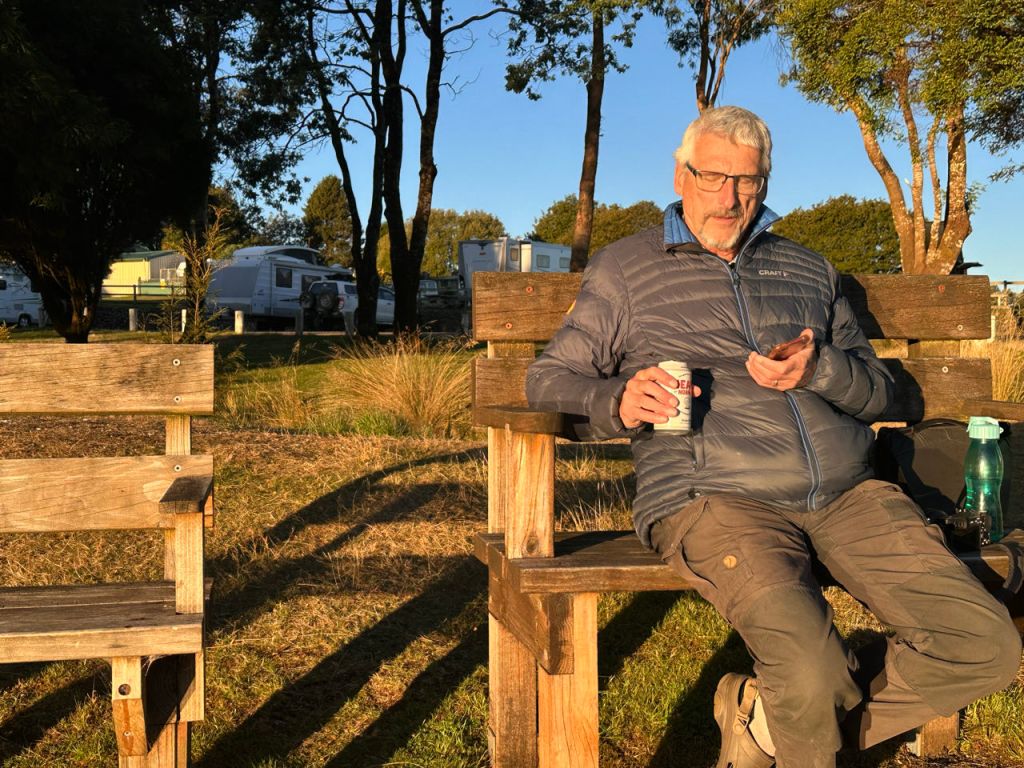
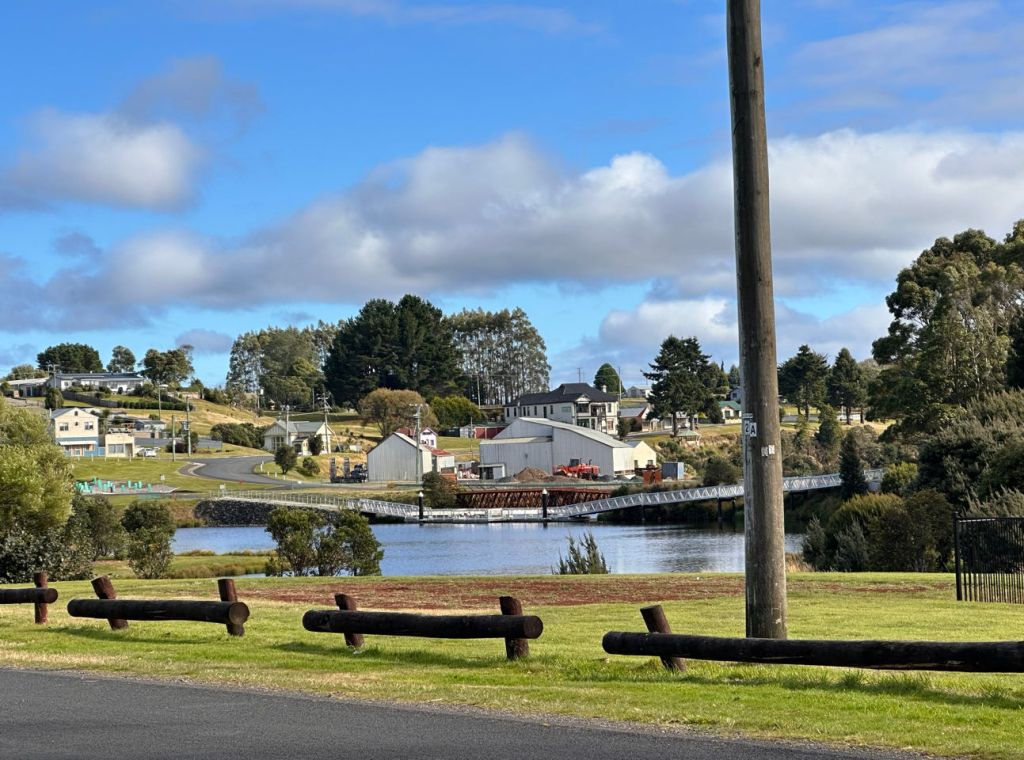
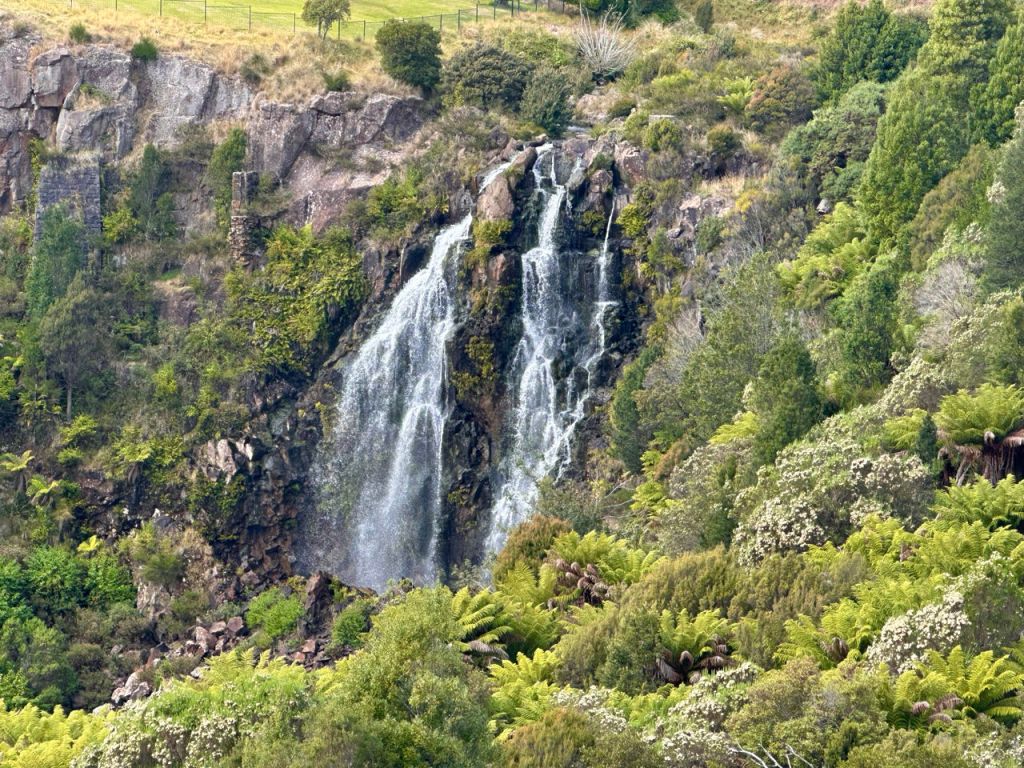
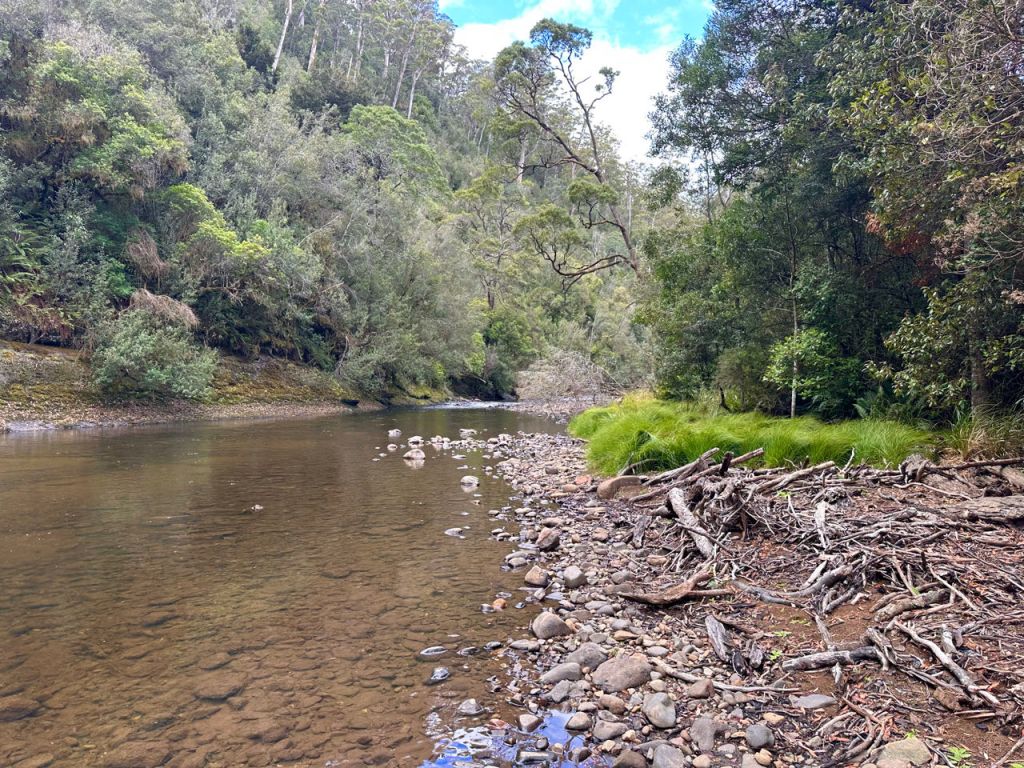
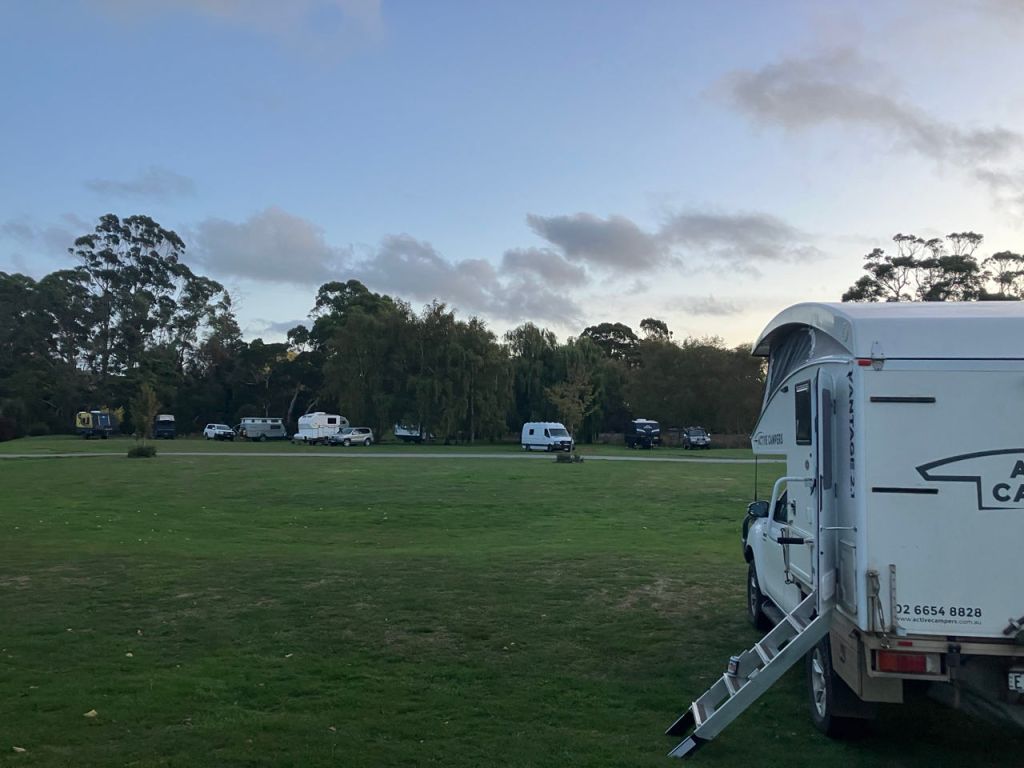
Instead of staying a second night in the Cradle Mountain busy camping we drove back to the west and are now in the old mining town of Waratah. Close to the river in the town centre lies the campsite. Jamaliah spent quite some time searching for the elusive platypus in the river.
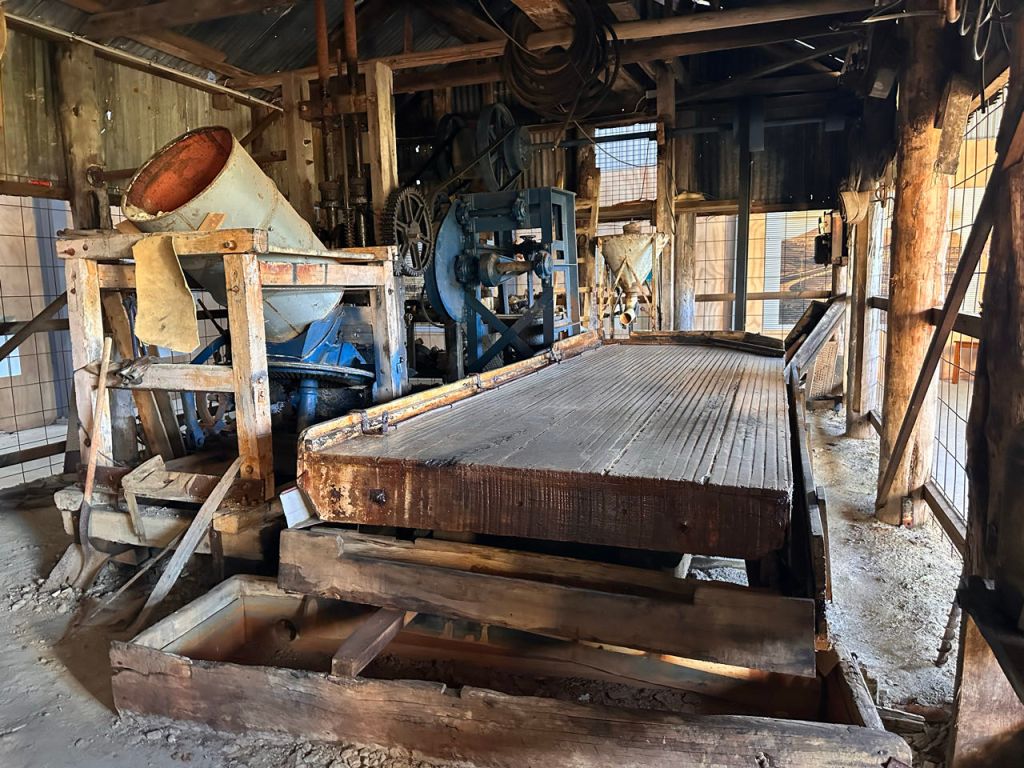
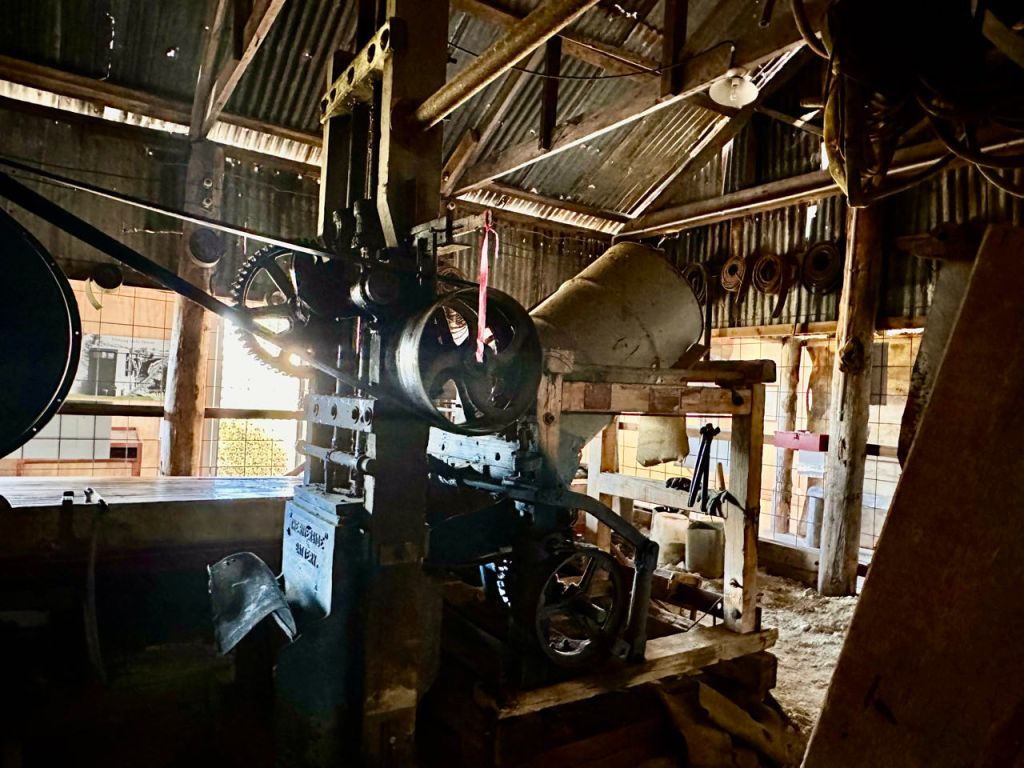
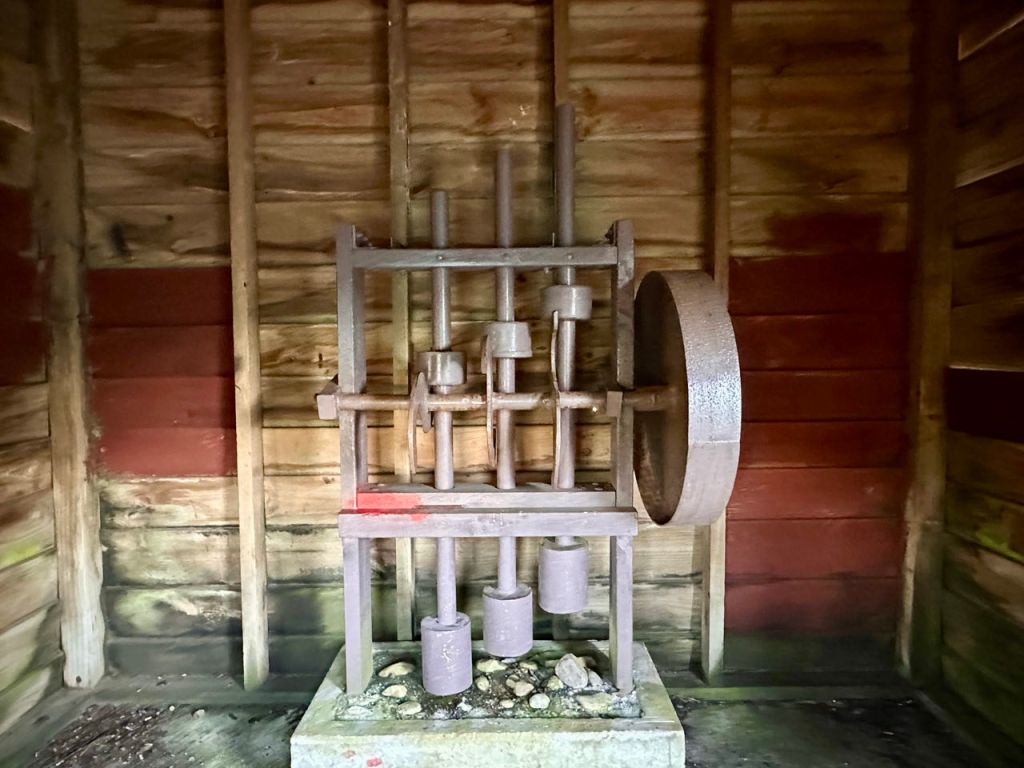
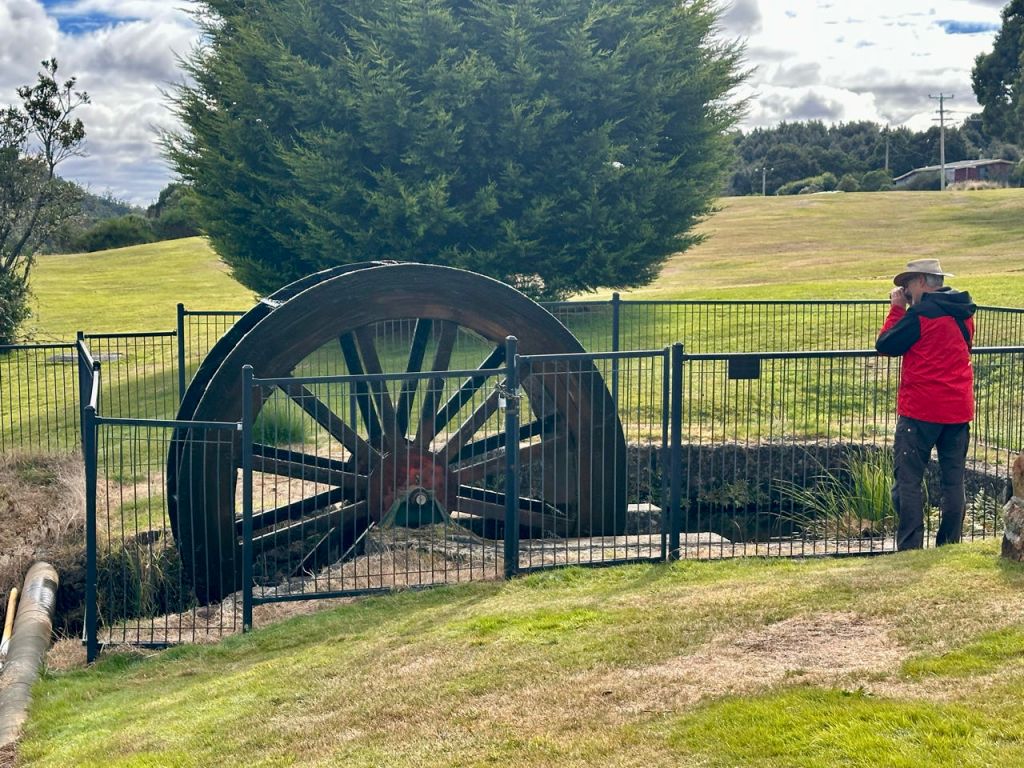
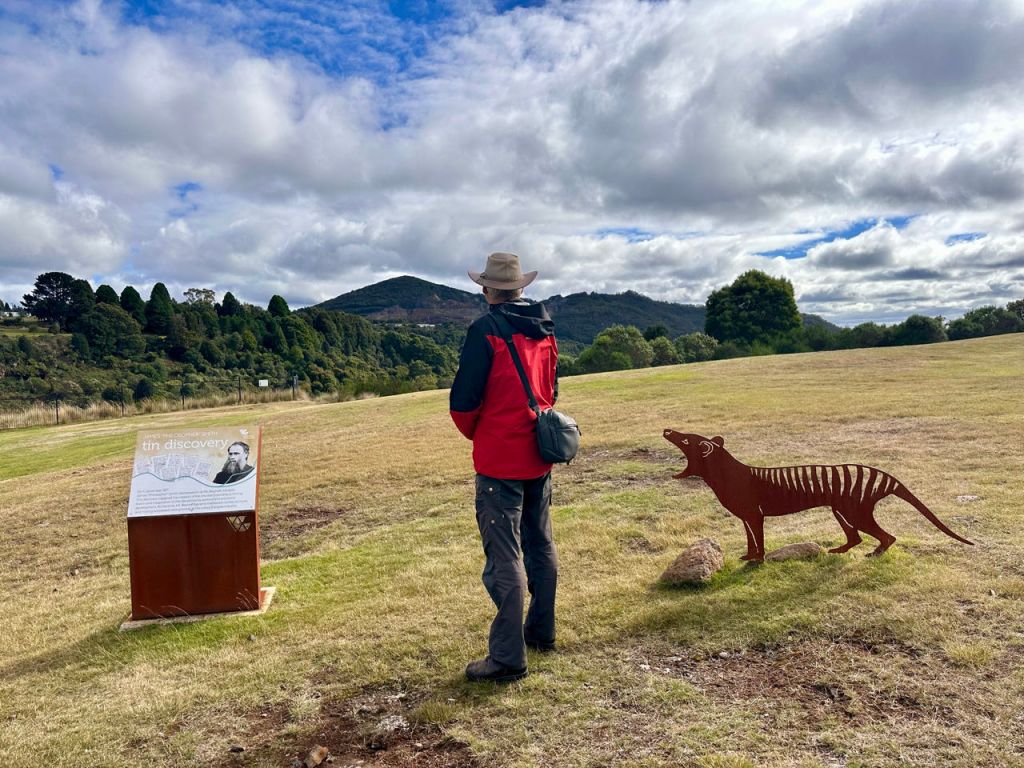
The town (1881) was put on the map because of its large Tin (cassiteriet) deposits. These were gone by 1929. What is left is a historical trail past some mine equipment. In one barn we found a “schuttafel”(shaking table) used to concentrate the tin ore by gravity after it was crushed in the stamper mill.
We have insulated the camper now with the provided silver insulation sheets. It feels a lot more comfortable in the cold night.
The alarm did not go off (yet). The sun was already up. Confusion. The time also on this side of the world changes from summer to winter time but at a different date than in Europe! So we had an extra hour before getting up.
In the morning we completed our tour of this ex-mining town where once the world’s largest Tin mine of the world was operating. This put the Tasmanian mining industry on the map. One of the first hydro electric systems were built to turn the mills. Many stamp mills and smelters made living conditions difficult then. Now it is a very well kept village with some 250 inhabitants. We visited the local museum and heard how the area further developed after closing of the tin mine in 1929 and reopened briefly from 1942 to 1949. Also from 2008 and onwards the open pit is mined on a small scale. Many mines in the surrounding valleys closed and settlements disappeared . We walked past the house where Rudy’s cousin Carel and family had lived in the early eighties. There is now only an iron mine operational at Salvage river.
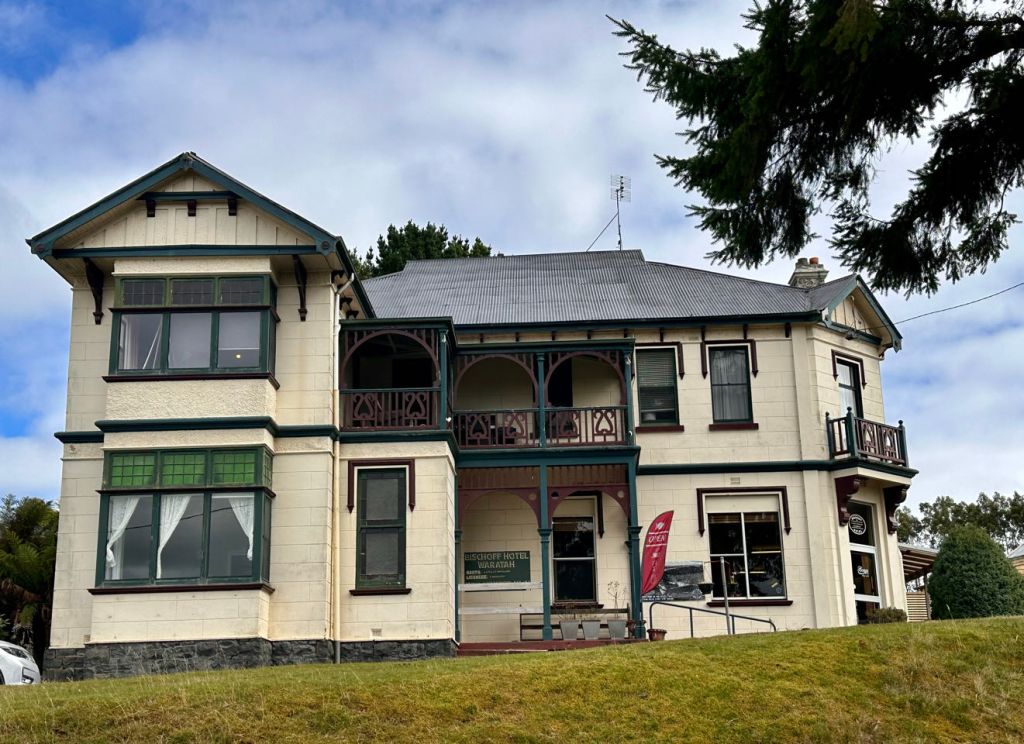
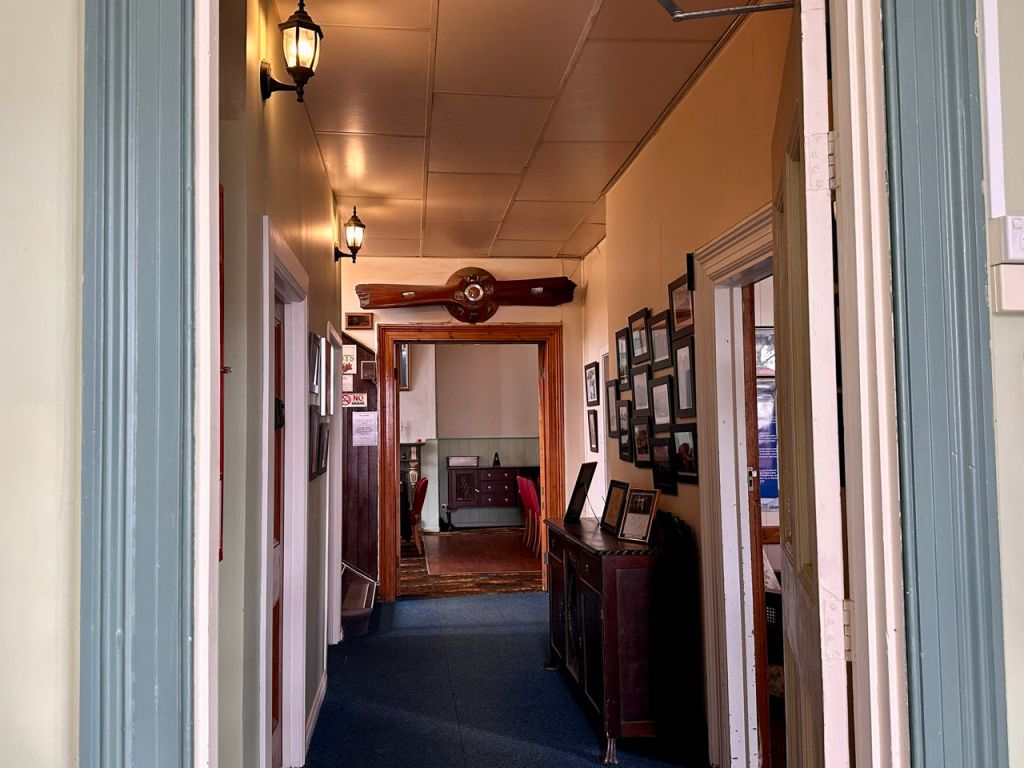
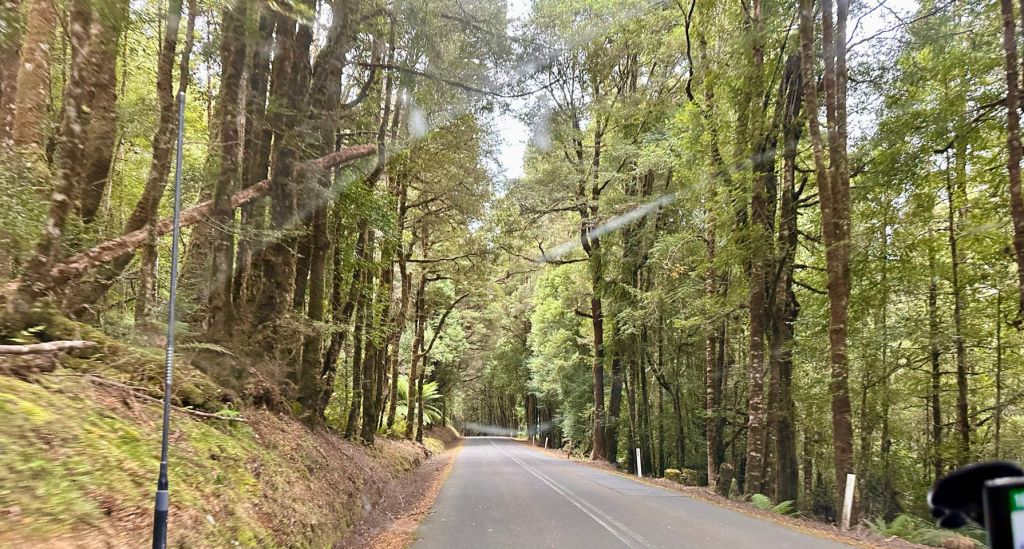
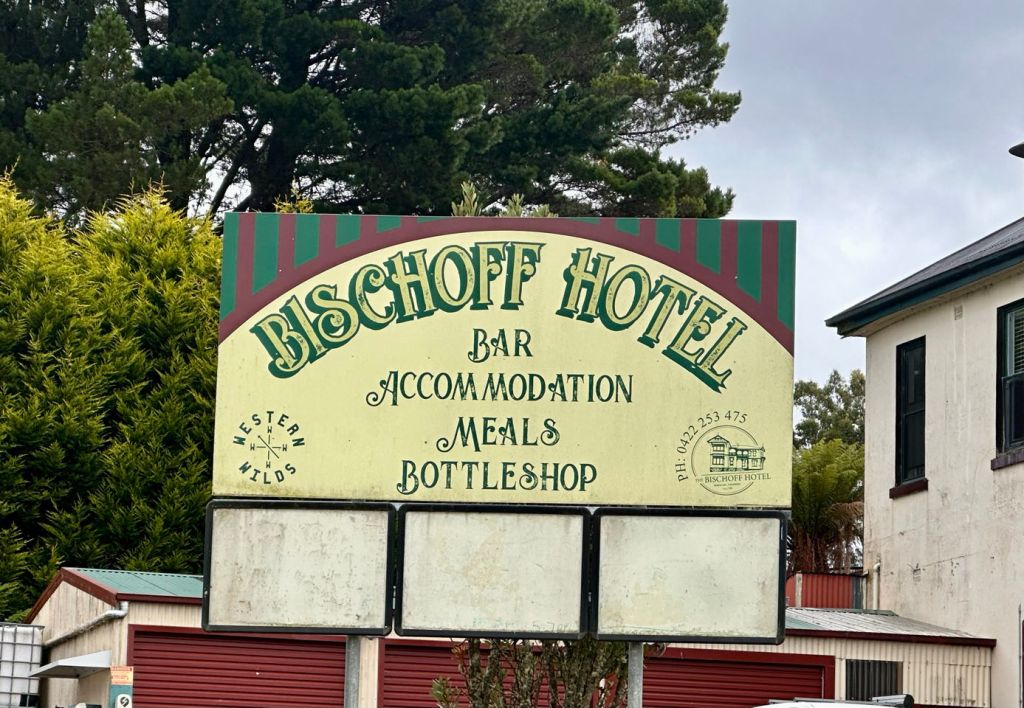
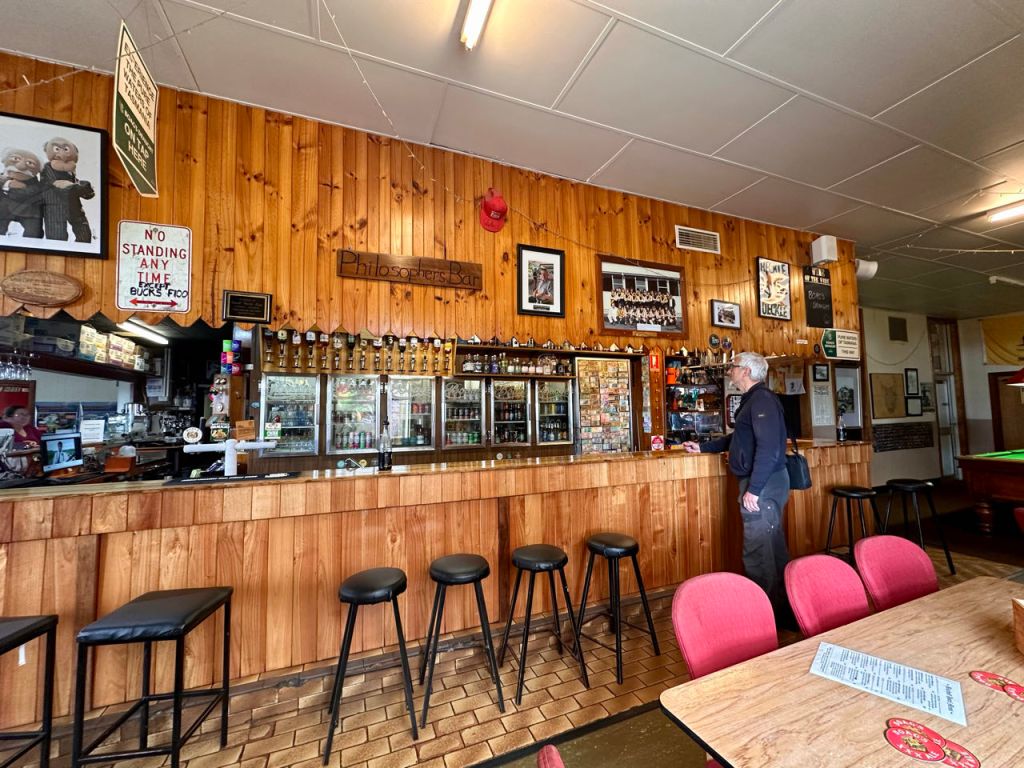
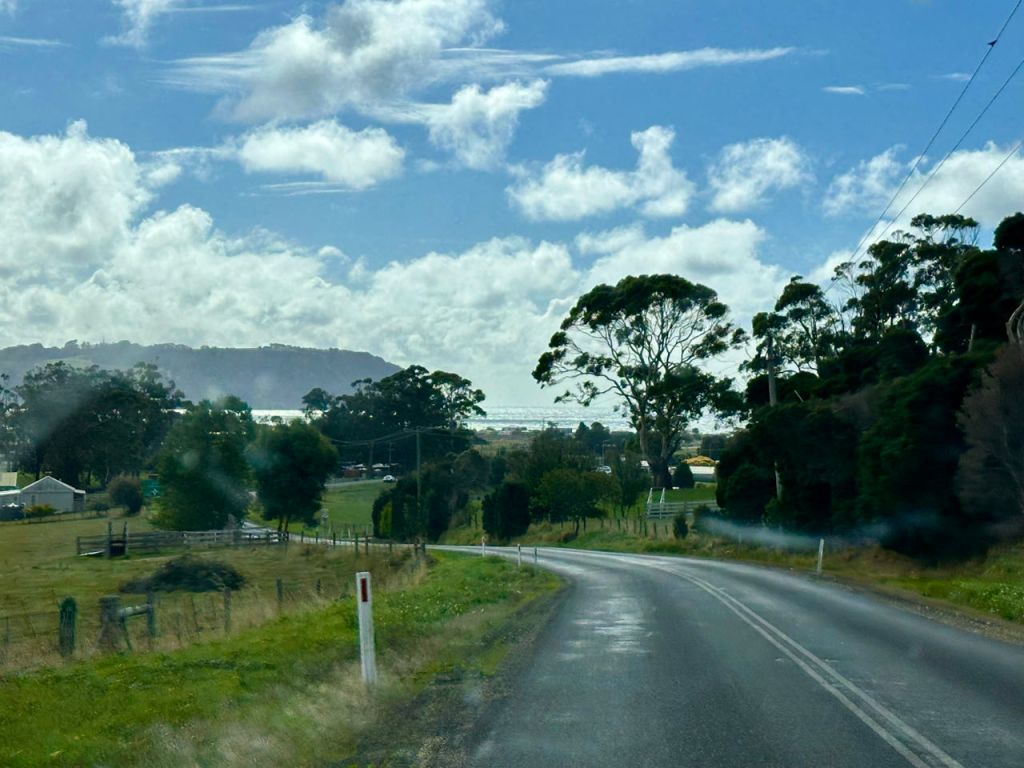
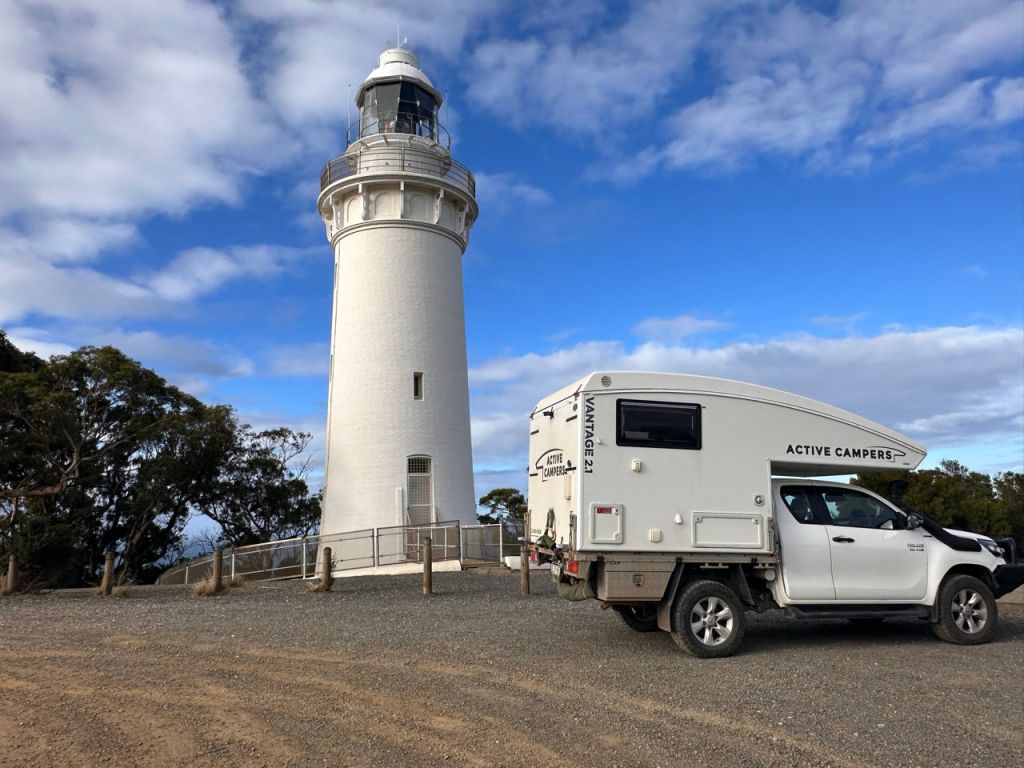
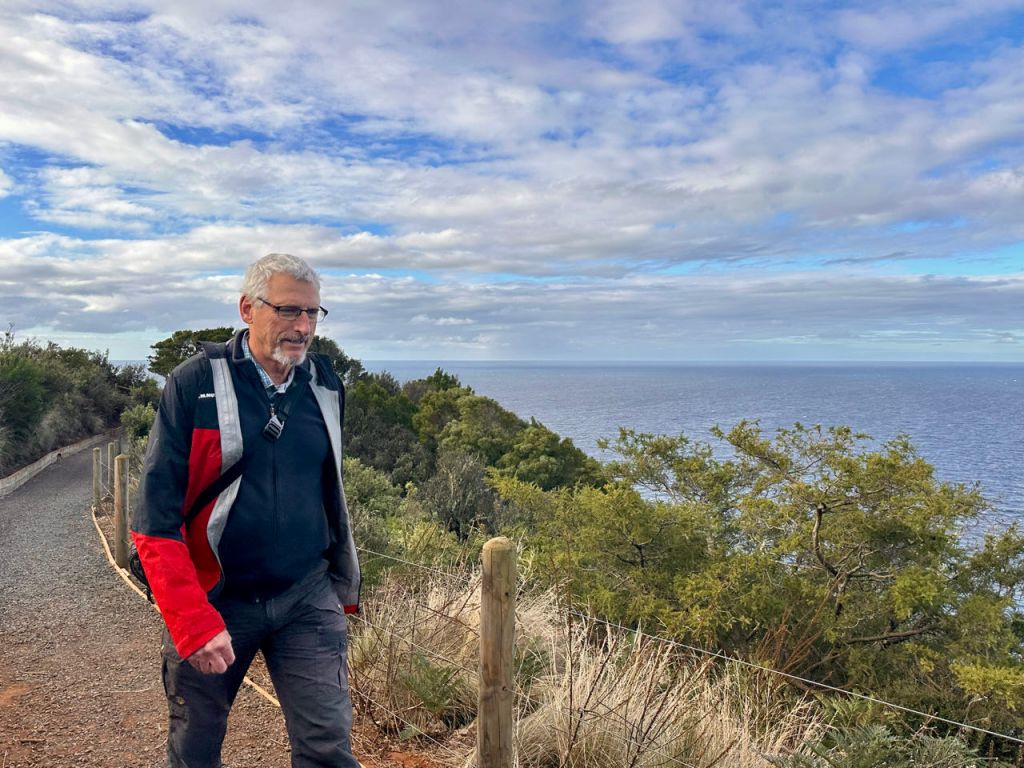
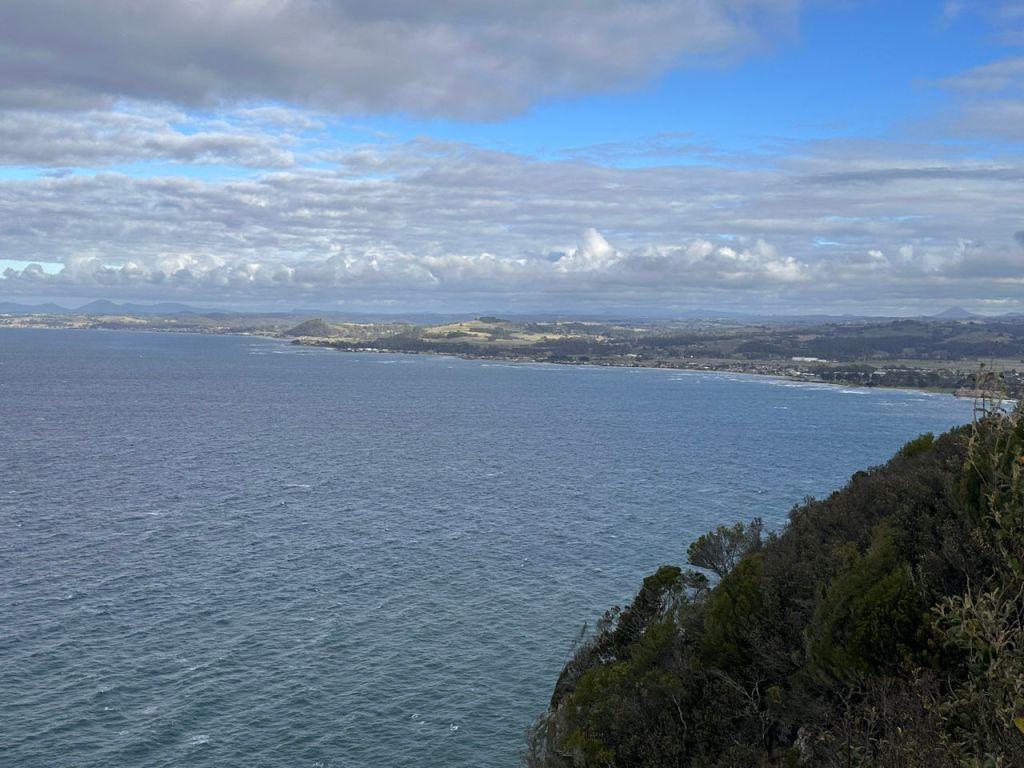
After hot chocolate in the local historical hotel we drove North to the coast and then West. We made a short coastal walk to and from a lighthouse at Table cape.