We arrived around 17:00 in Derry. To avoid the traffic, we took the small roads into town following the river Foley. At the river side close to the walled center of town is a parking area which allows campers.
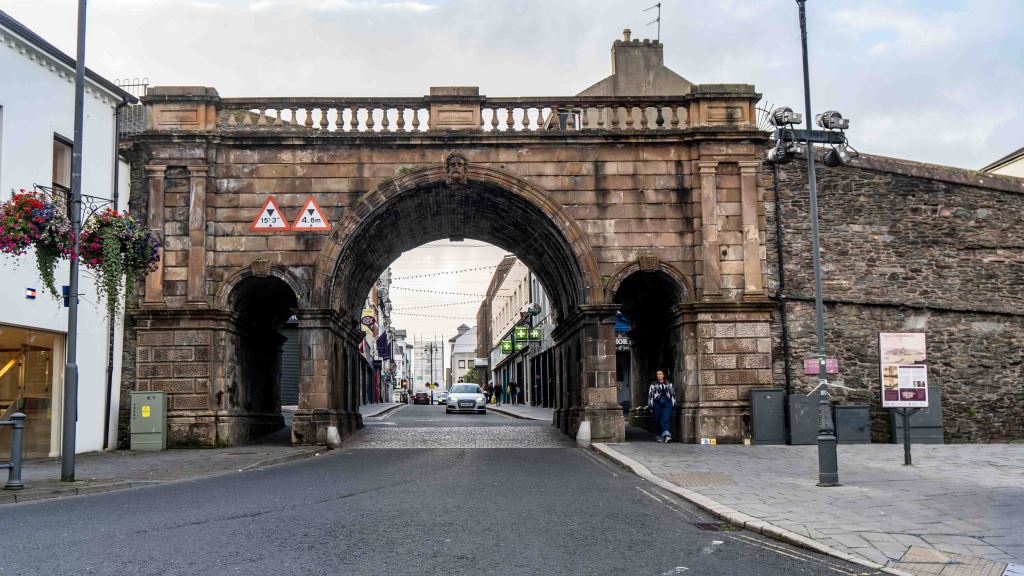
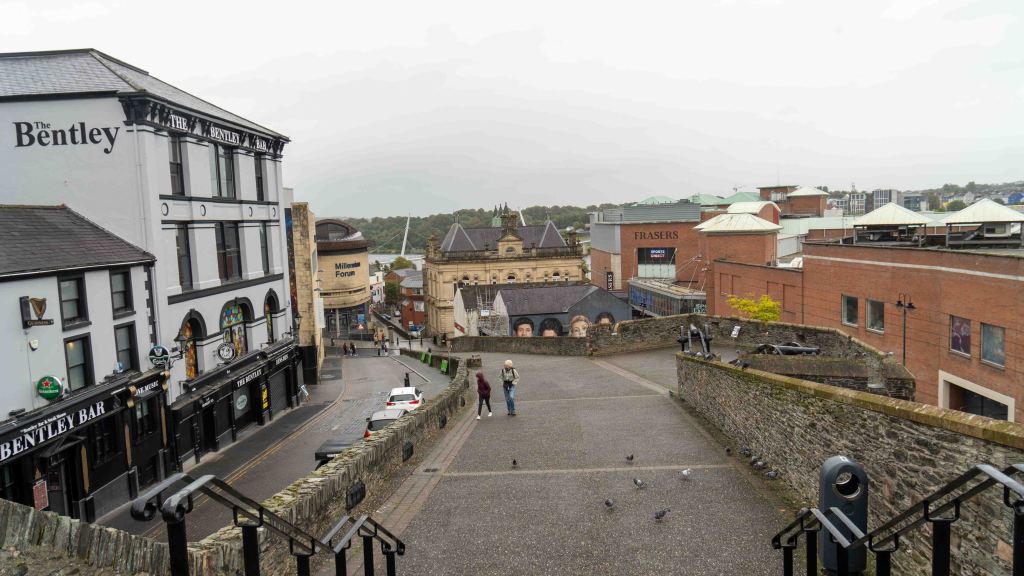
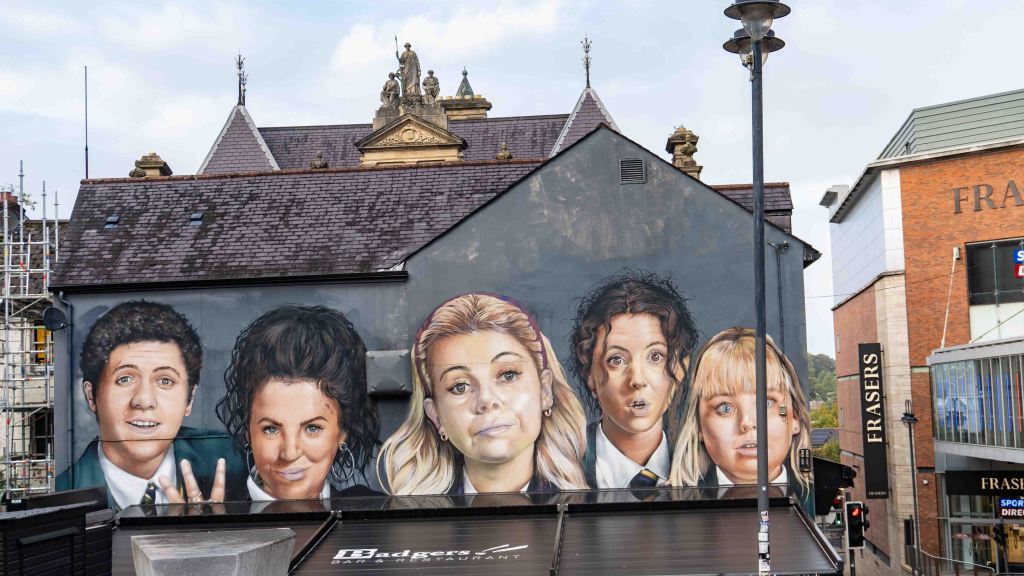
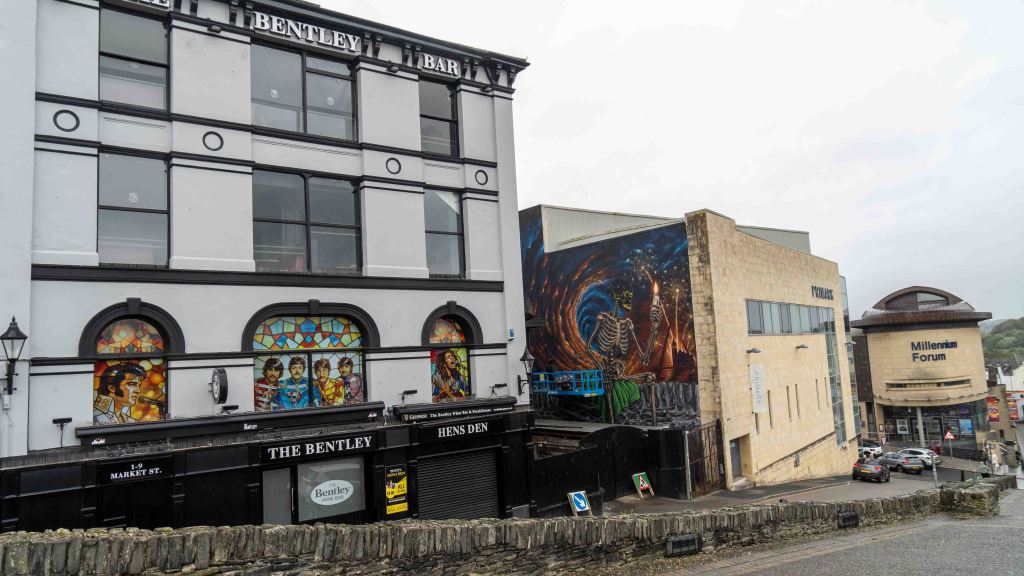
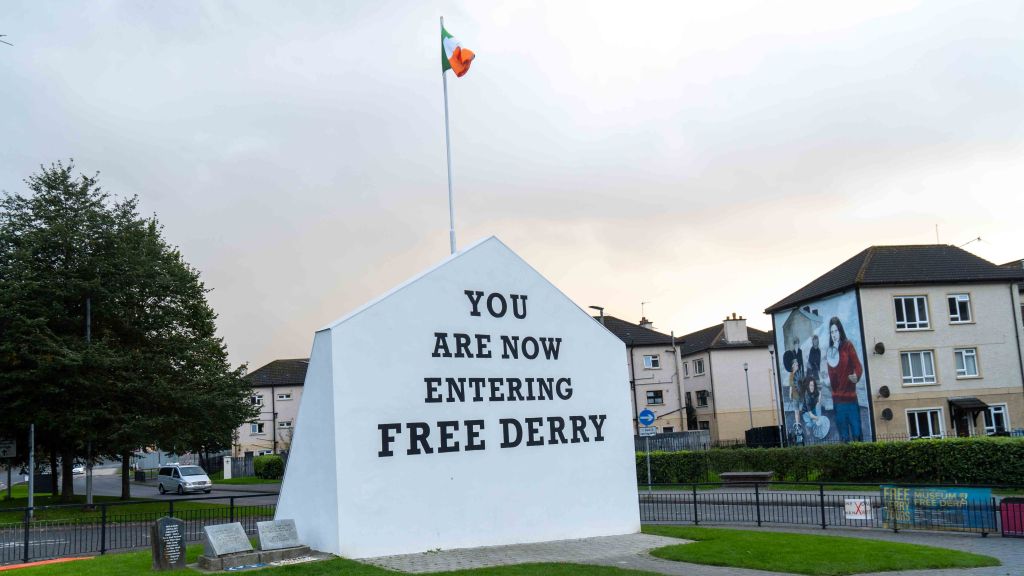
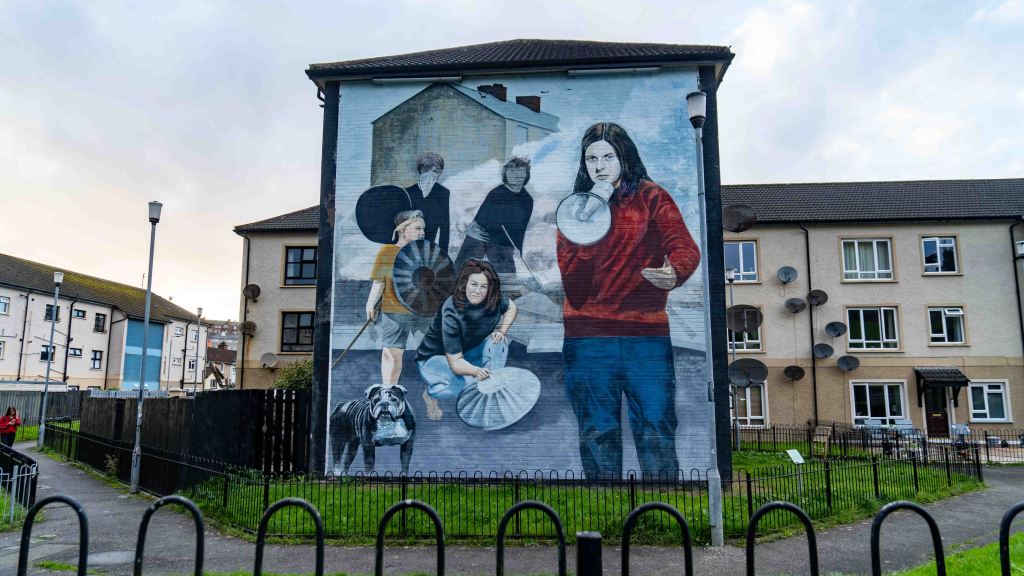
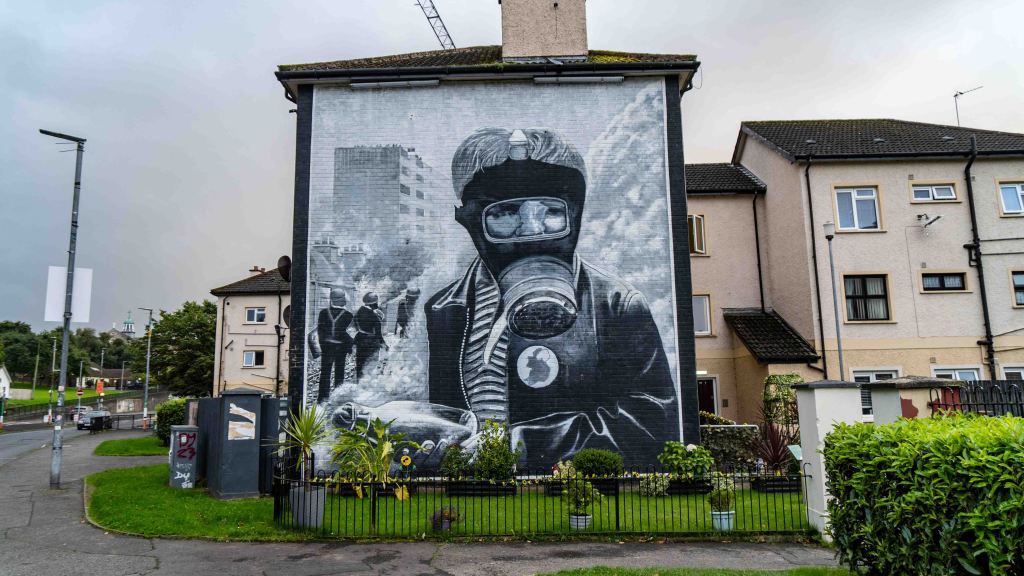
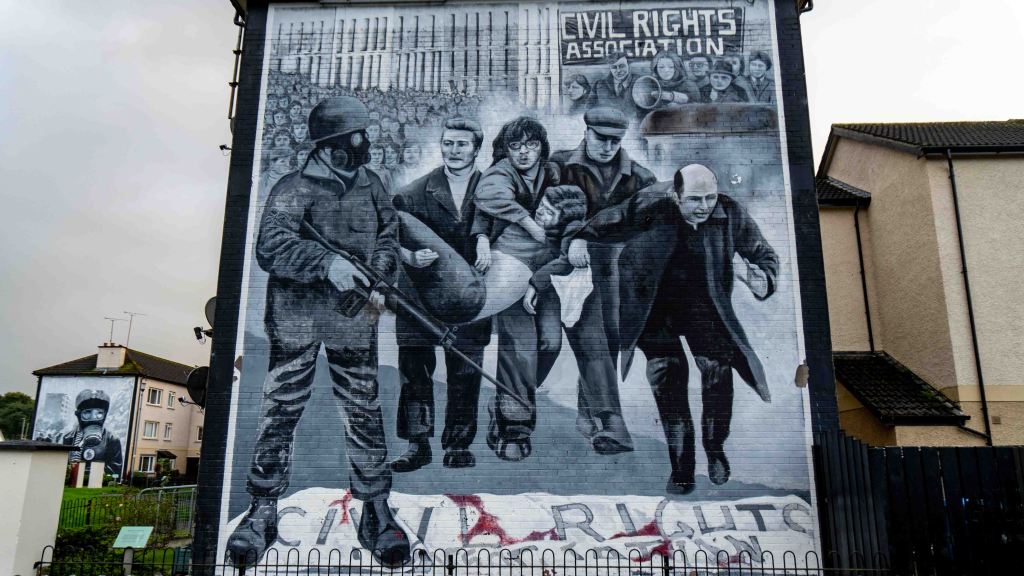
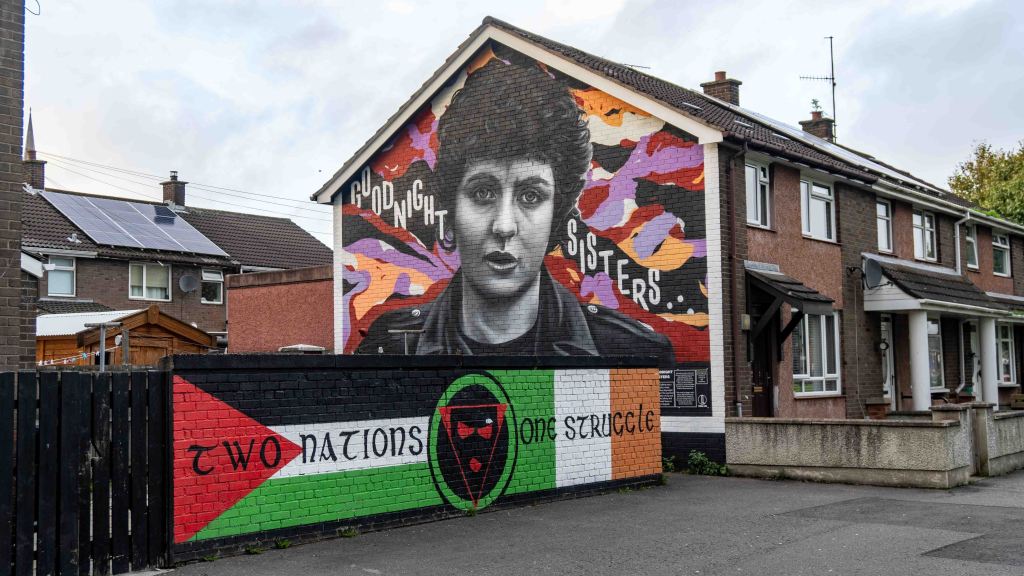
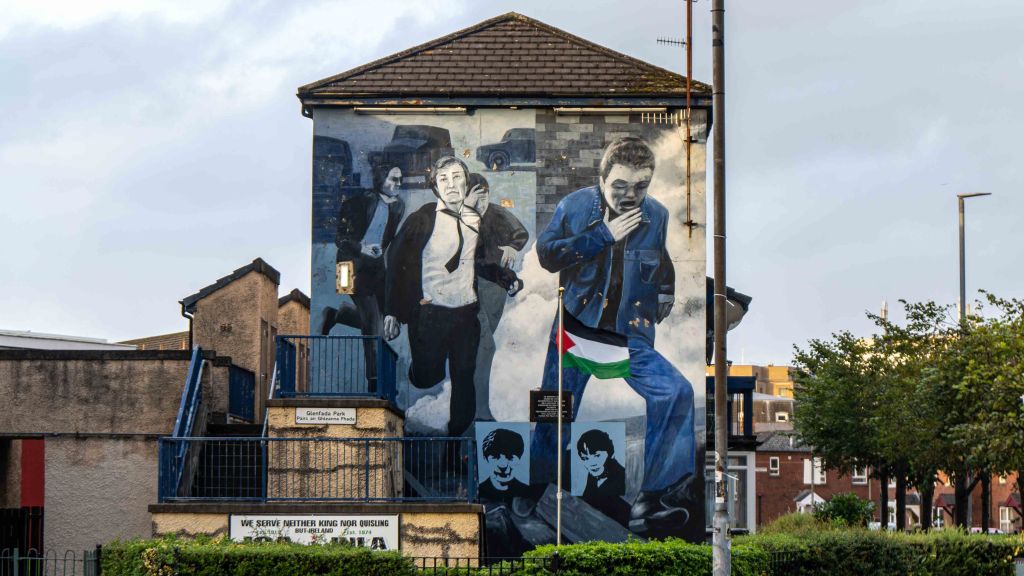
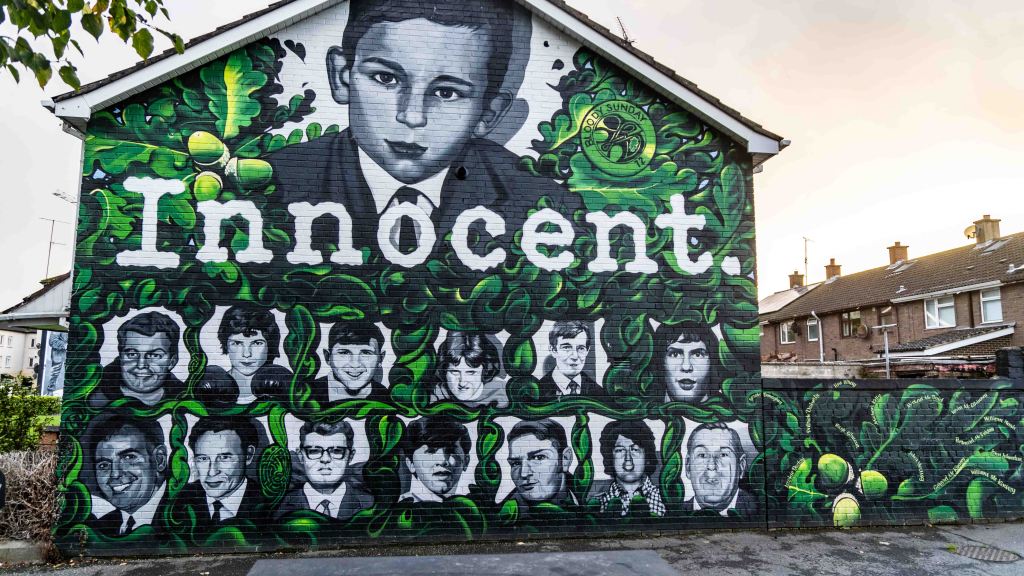
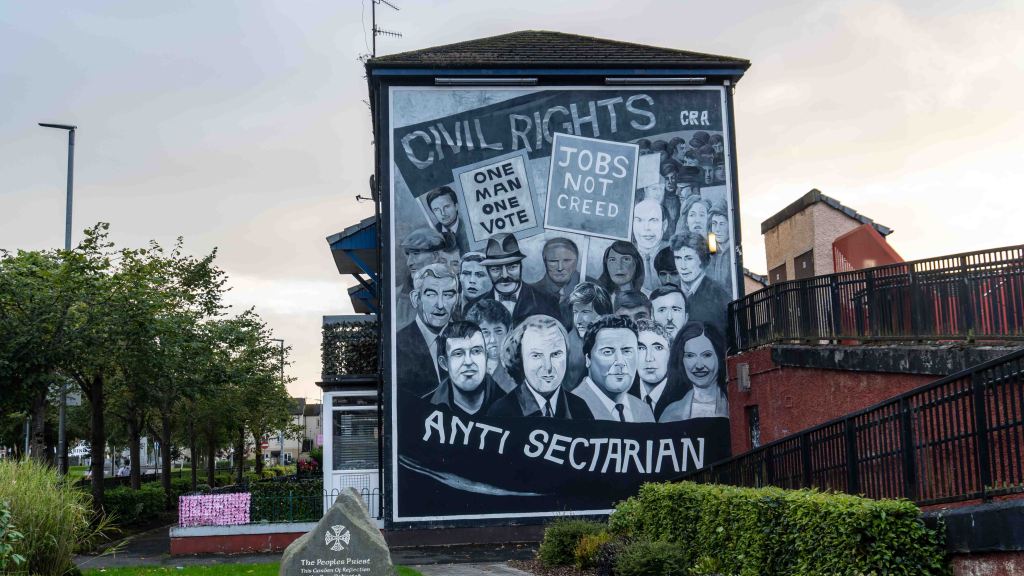
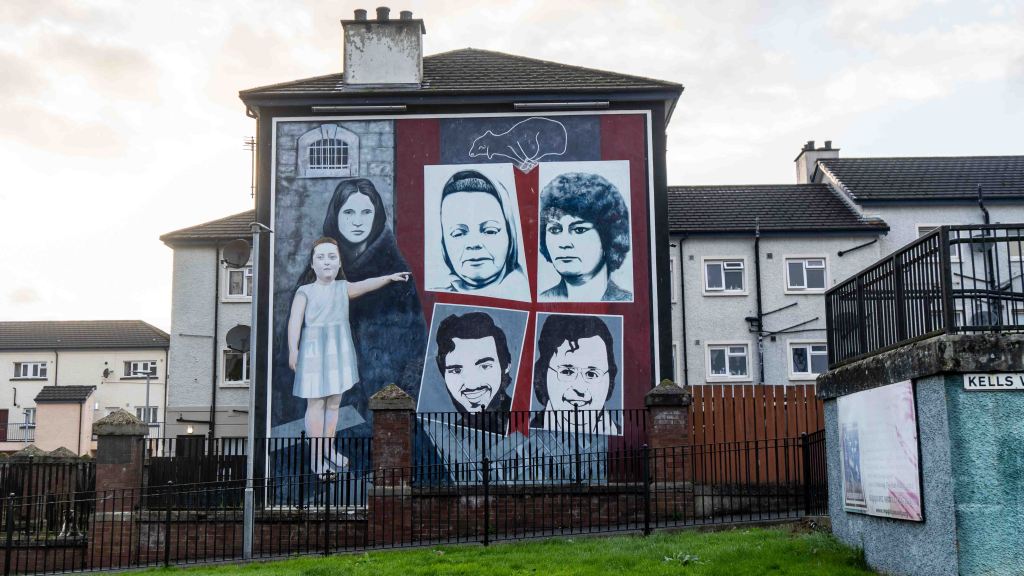
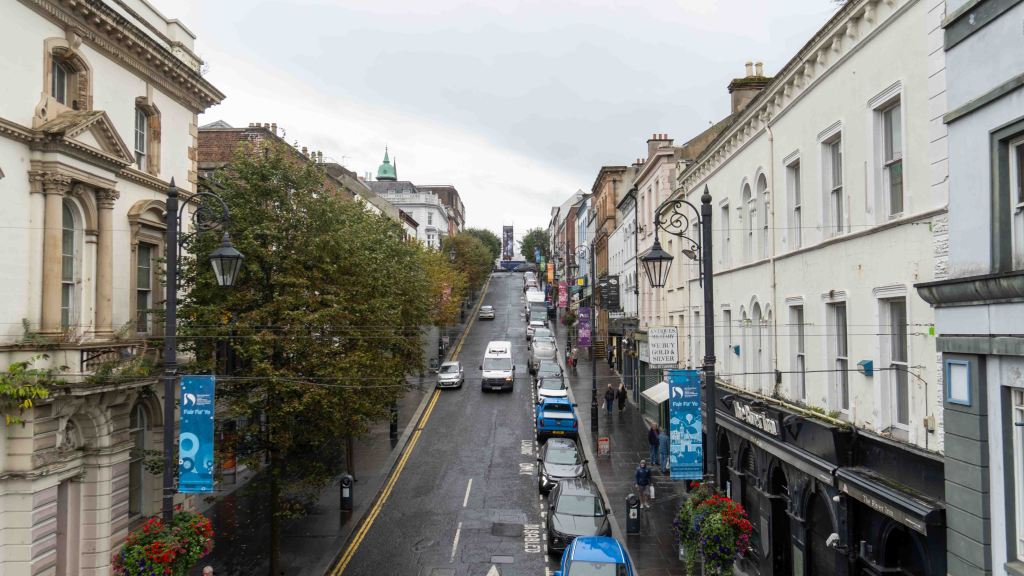
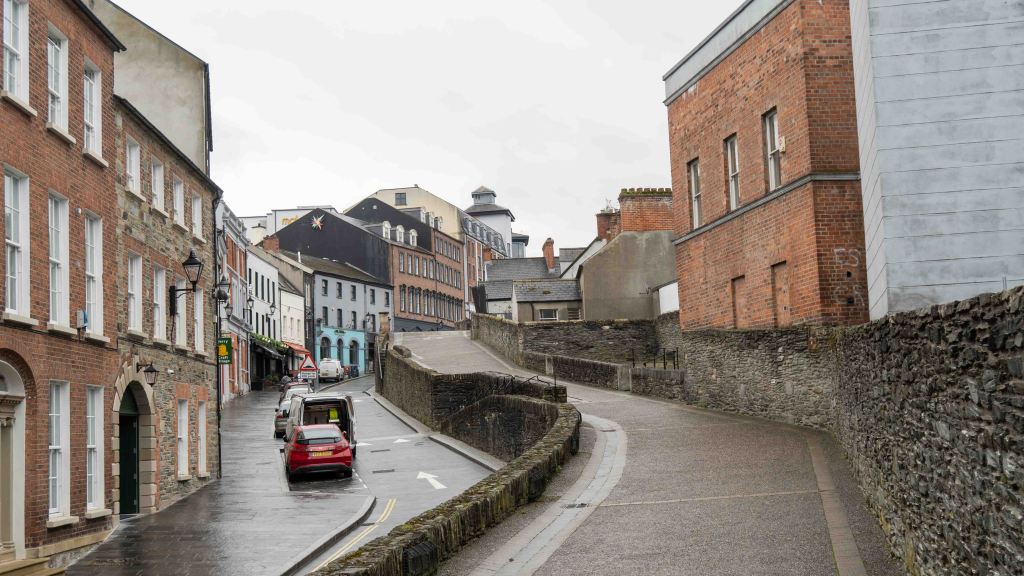
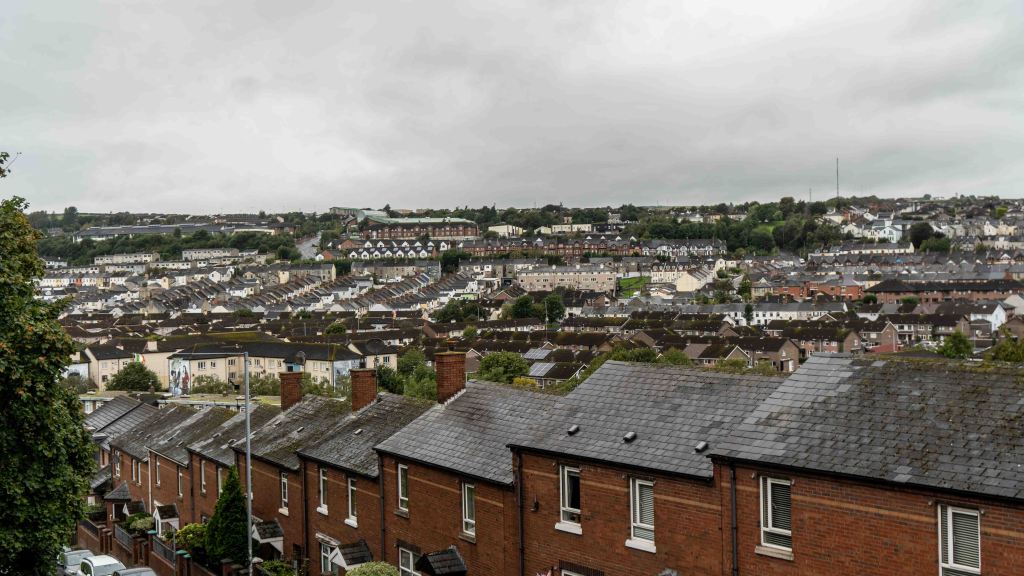
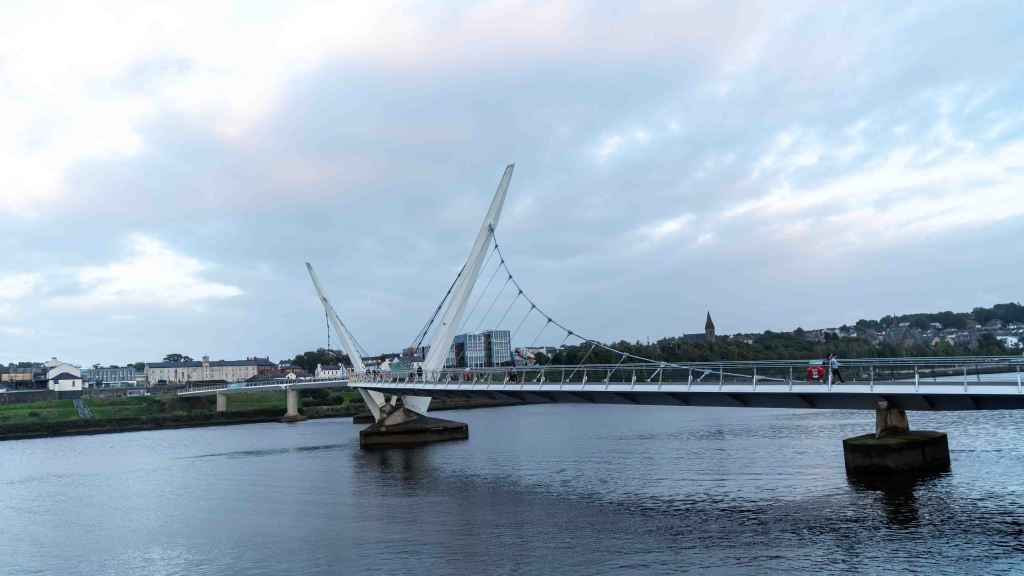
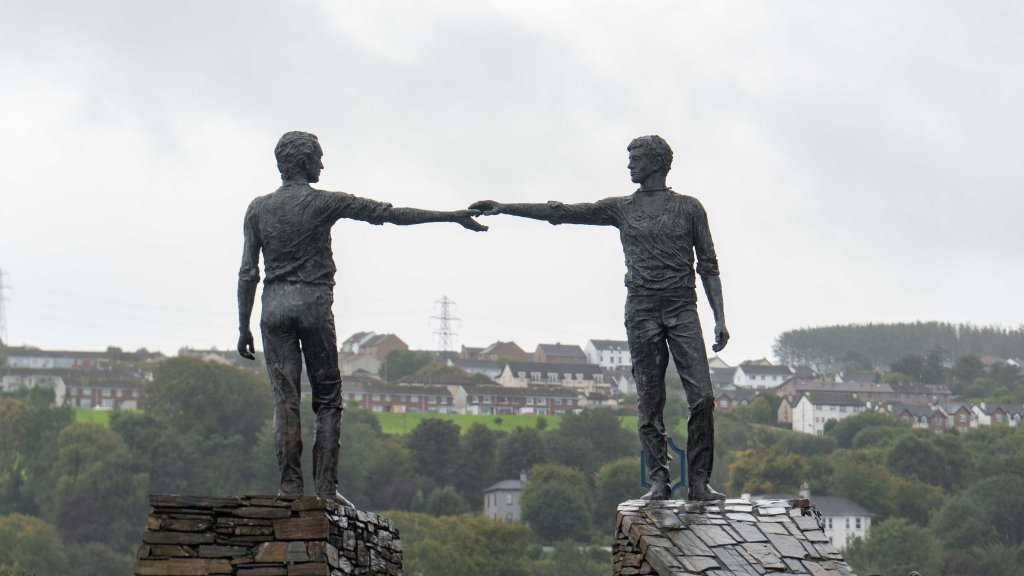
We walked through one of the gates in the wall up the hill into the city center. Rudy expected to find a 17th century center but that was not the case. Maybe the street plan is old but the center has many large shops built behind 19th century facade. On the other side we exited the old city and descended into the area where in 1972 “Bloody Sunday” had taken place whereby British soldiers had killed some 13 Irish civil rights protesters. Along the street are many murals remembering that event. The signed Good Friday Agreement in 1998 made an end to the violence and statues and a Peace Bridge are a remembrance of these “Troubles”. Tomorrow, we plan to walk the full length of the city wall and add more pictures to this write up.
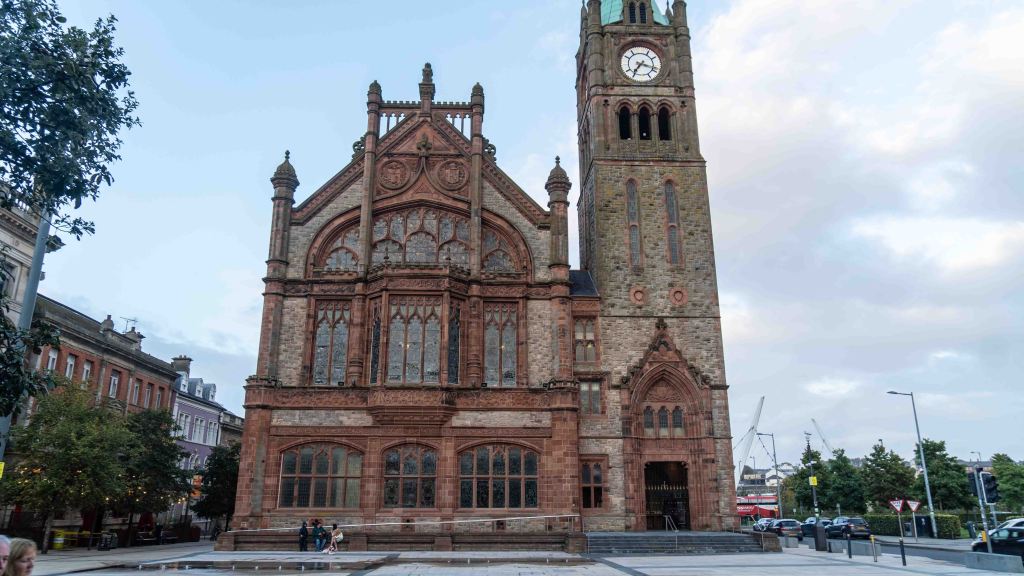
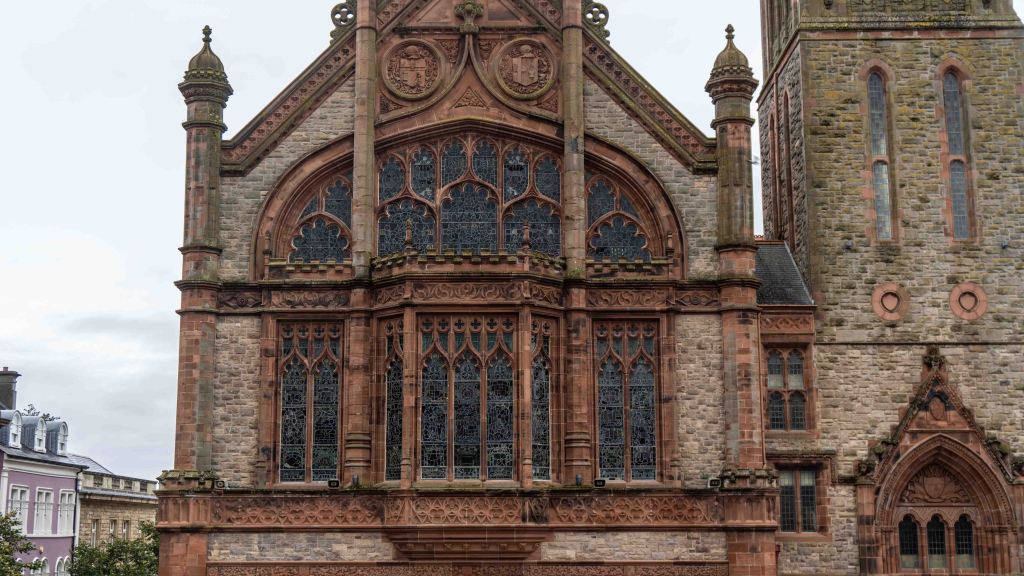
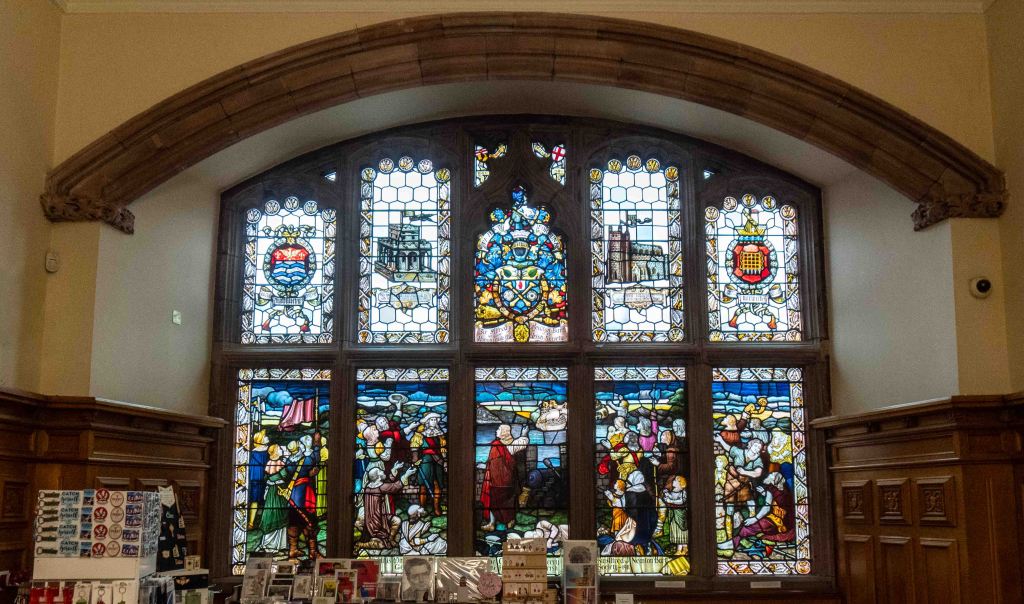
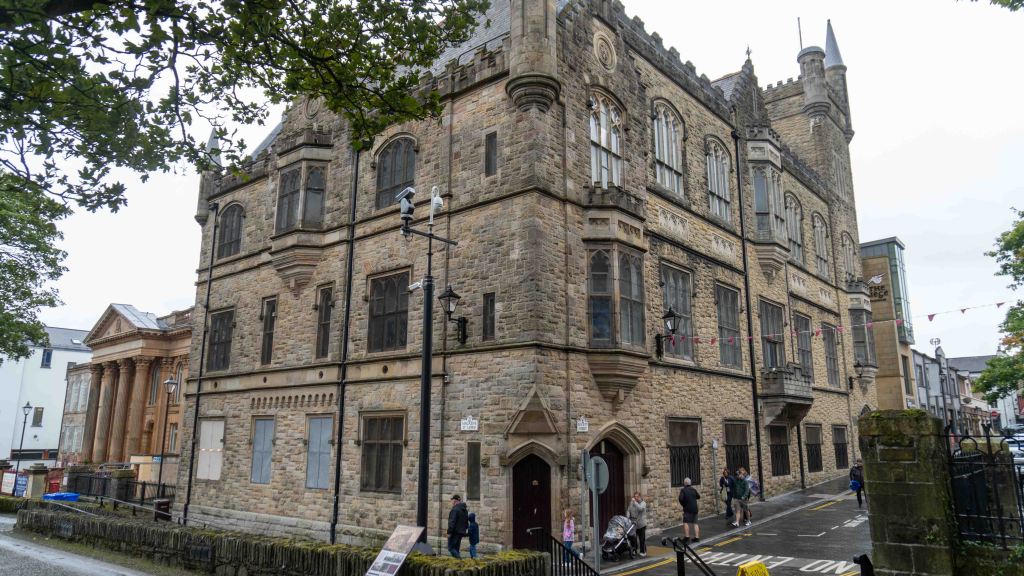
After paying for parking, we walked along the river to the Guildhall. Due to a function, we could not admire the stained-glass windows depicting the history of the city. Instead, we worked our way through the story told by artifacts and maps. Now I understand what Plantation means: the movement of loyal Scottish and English farmers to confiscated land in Ireland after the fleeing of the last clan heads to Spain in 1607. Several London companies were awarded large tracks of land to be given to their “members”. The Plantation was however already started around 1580 but first the Irish resistance had to be subdue using o.a. Scottish mercenary.
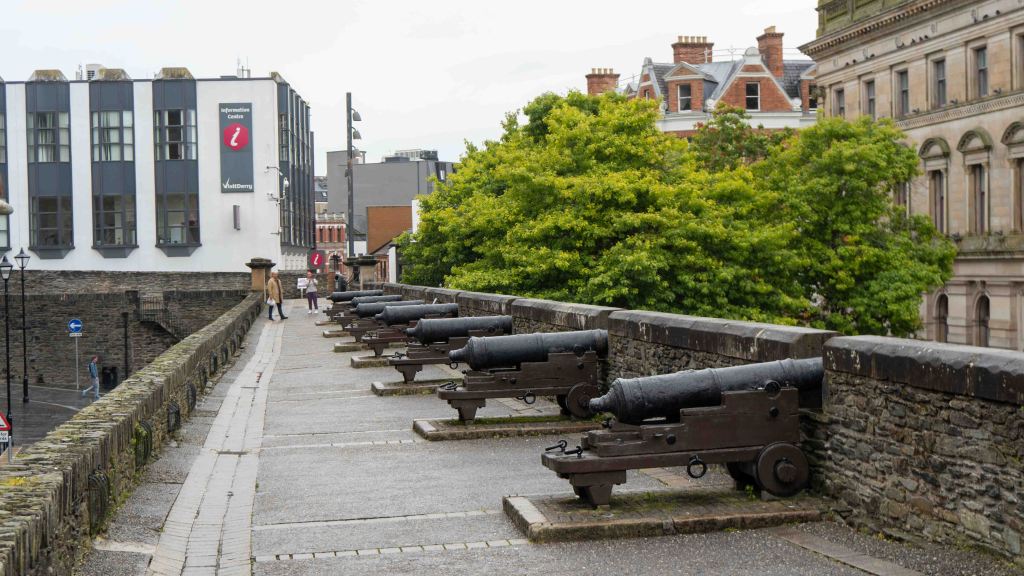
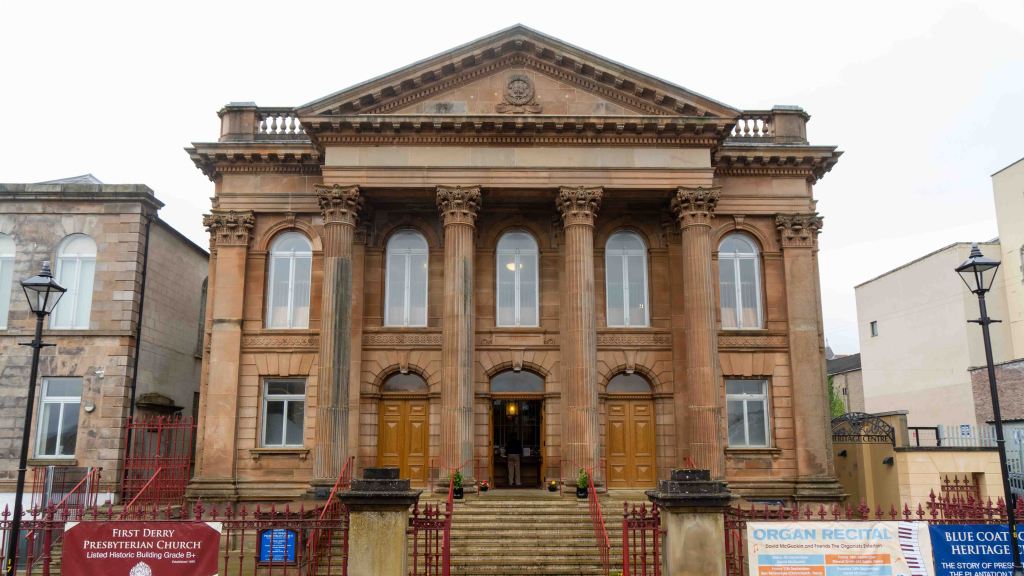
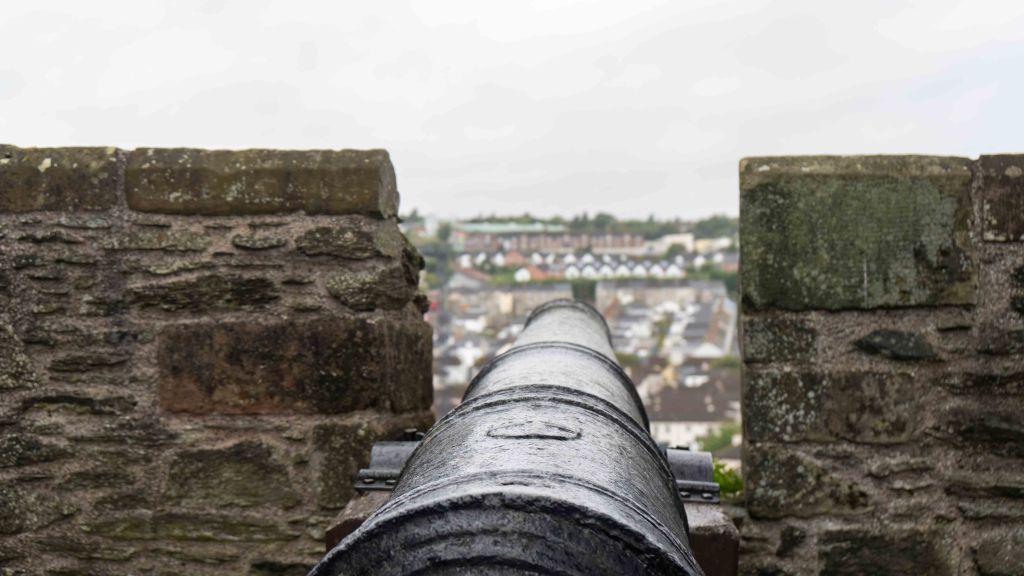
We walked the full length of the city wall and stopped in at the oldest Presbyterian church. There we received a private introduction to the different church nominations.